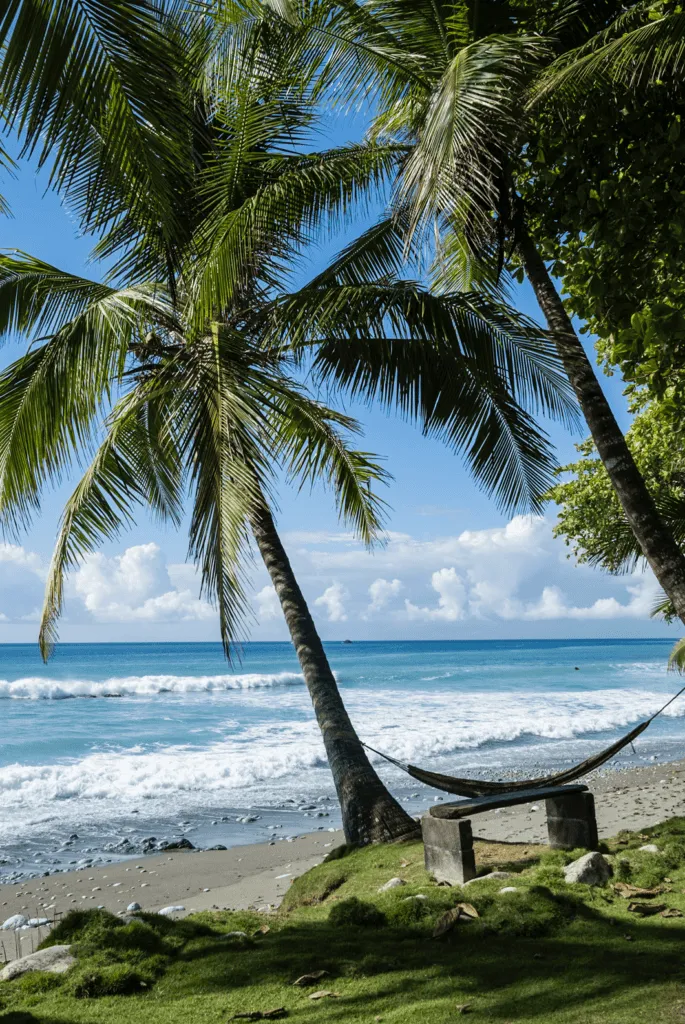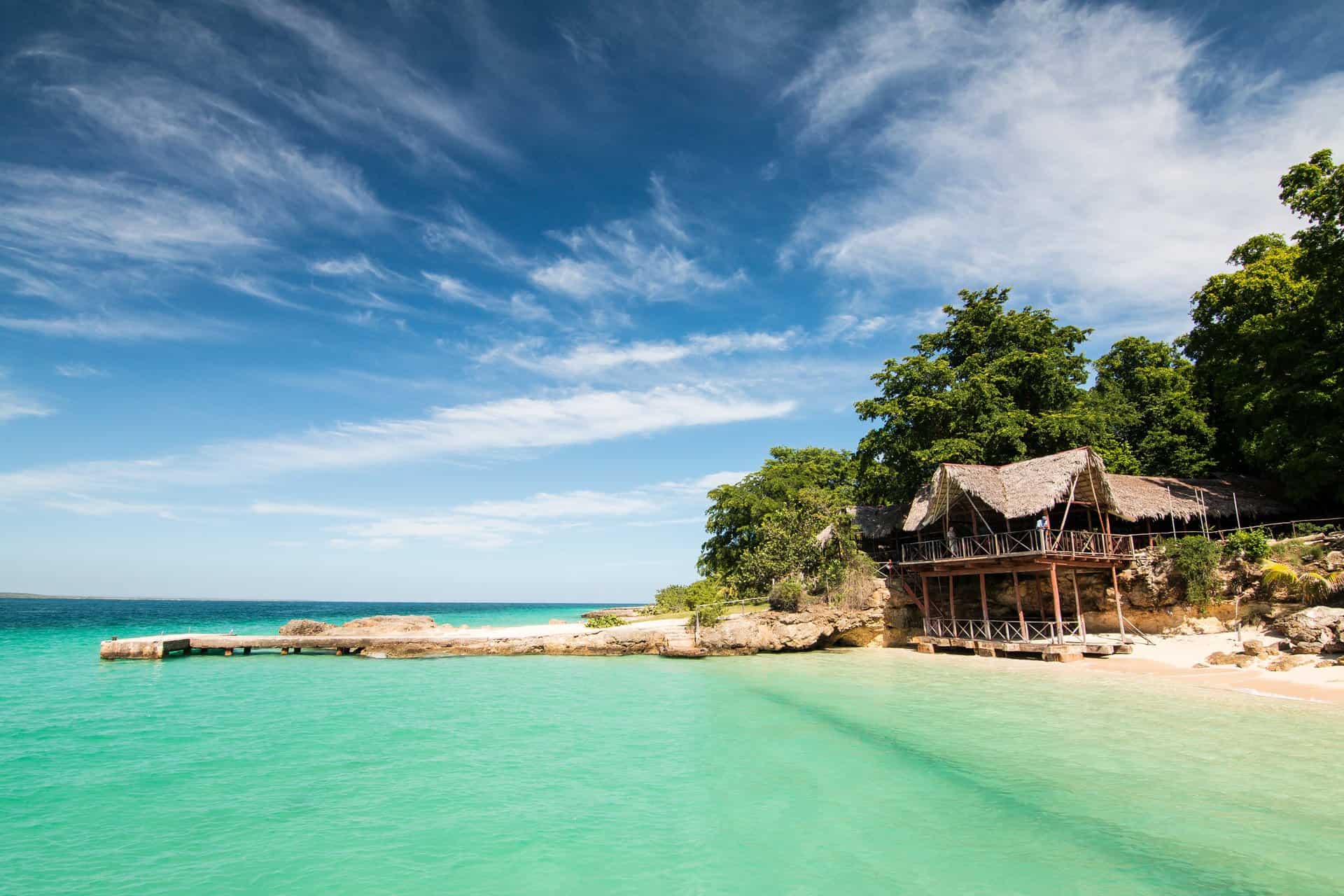


A different side of Chile – for the curious traveller ready to look beyond the headline acts.
Most travellers to Chile make a beeline for its greatest hits: the Atacama, Torres del Paine, the wineries of the Central Valley. And rightly so – they are extraordinary. We know them inside out, and can arrange the very best guides and lodgings for those looking to discover them.
But some of our favourite places in Chile are far less well-known. For those wanting to go further into the country’s less-travelled corners, these are the places few – if any – of your friends will have seen. From Pacific beach towns and remote corners of Patagonia to island communities and wild southern fjords, this is where Chile still keeps its secrets.

1. Zapallar: Chile’s most beautiful beach town
A tiny coastal town two hours northwest of Santiago, Zapallar has long been the summer retreat of Chile’s old families. Curving around a sheltered horseshoe-shaped bay, it’s home to glorious white sands, eucalyptus forests, and rugged cliffs, with walking trails hugging the rocks.
The atmosphere is breezy and understated, though the glamorous hillside homes might suggest otherwise. Some date back to the late 1800s, when a wealthy Chilean industrialist, freshly returned from the French Riviera, gifted plots to friends in the hope of creating a local equivalent. Today, the architectural mix is eclectic: steep-roofed chalets with timber facades sit alongside modern glass-and-metal villas by architects like Mathias Klotz and Gonzalo Mardones, cantilevered high above the Pacific.
Stay at Casa Wilson, a rambling 1920s villa whose creaks and eccentricities have survived its reinvention as a boutique hotel, complete with terraced gardens and a private path to the rocks below. Or rent a home on the hillside for a few days and do as the Santiaguinos do, wandering down to El Chiringuito or Cesar for a lunch of machas a la parmesana. It’s a weekend escape for the capital’s well-heeled, so best to come midweek, when things are quietest.
2. Aysén & Futaleufú: Remote Patagonia
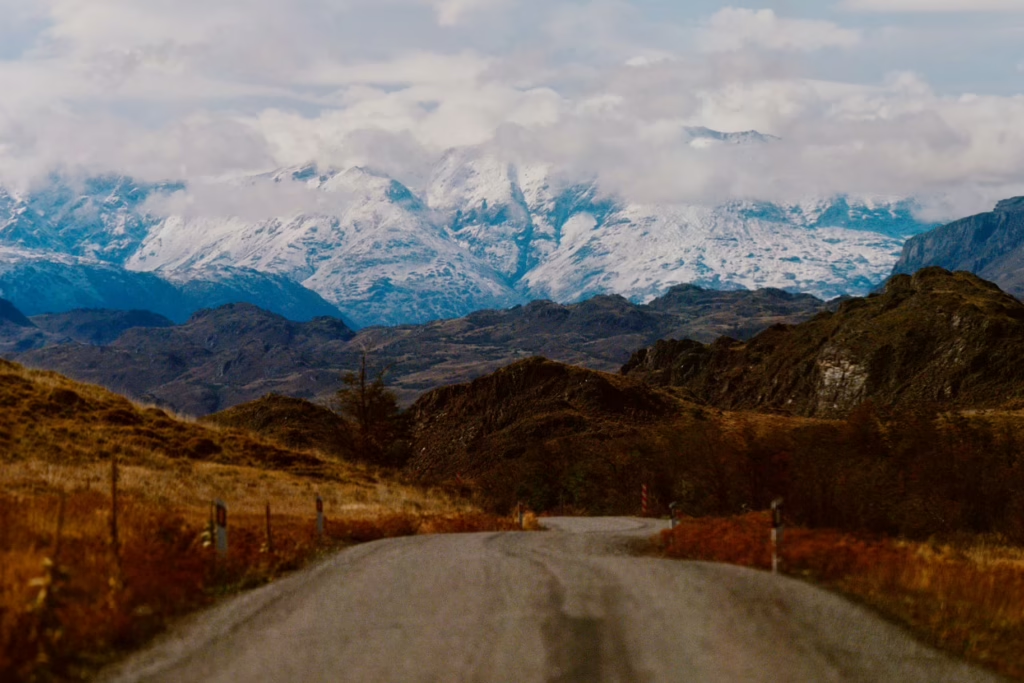
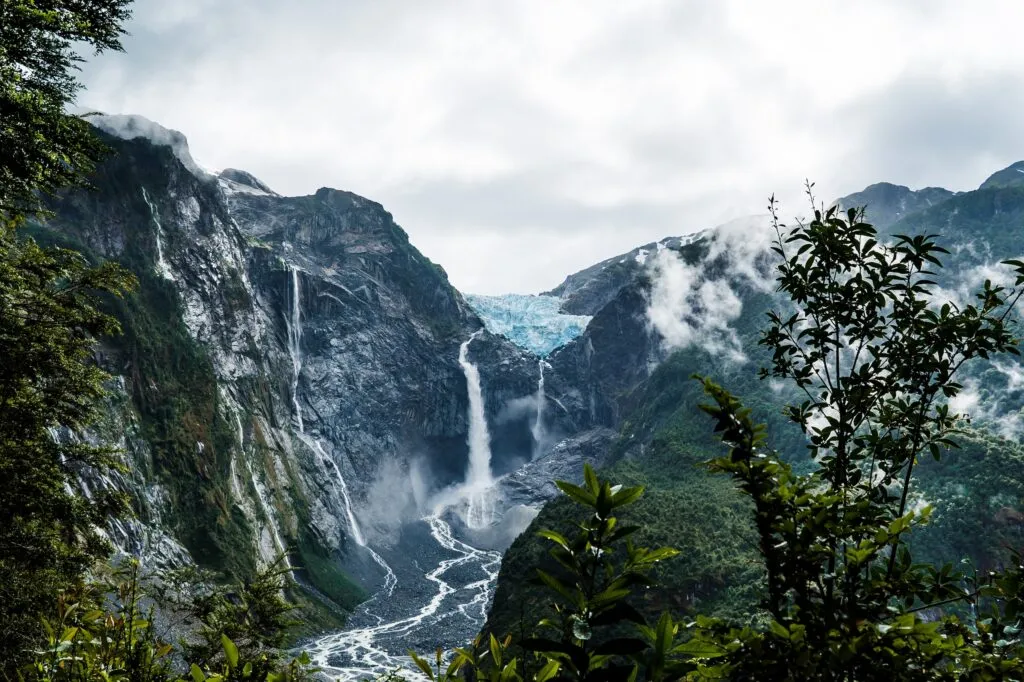
In northern Chilean Patagonia, south of the Lake District and well north of Torres del Paine, Aysén is one of Chile’s least-visited corners – a quiet region of rivers, lakes and mountains that few ever make it to.
Start in Futaleufú, where the river runs bright turquoise through pine-forested valleys. PATA Lodge is the place to stay: hand-built cabins on a small working farm, with serious white-water rafting on the doorstep, and the chance to pitch in with daily farm life. Further south, Melimoyu and Rio Palena offer fly-fishing, hiking, steaming hot tubs, and very few neighbours.
Our favourite way to experience this part of Chilean Patagonia is by road, following the Carretera Austral, one of South America’s great driving routes. It takes time to get to – but that’s precisely why it remains so unspoiled.
Discover our Carretera Austral road trip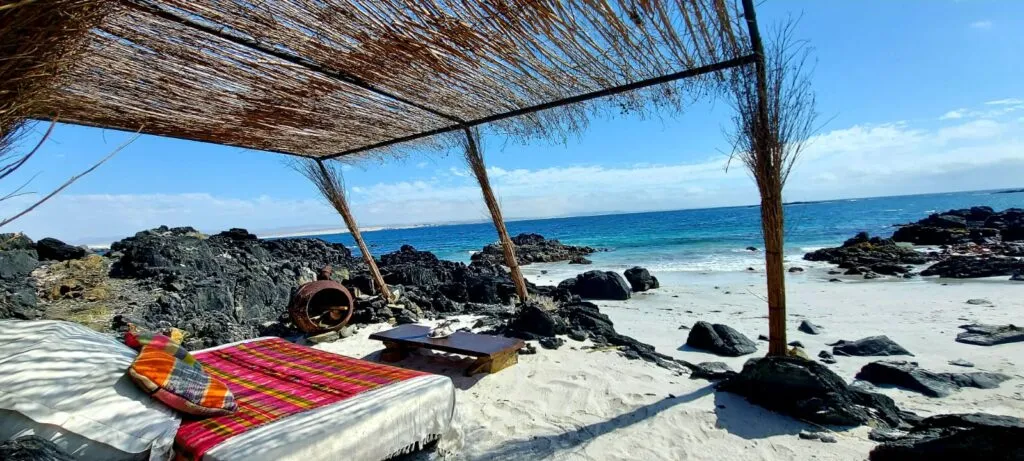
3. Southern Atacama & the Elqui Valley: Desert, Wine & Stargazing
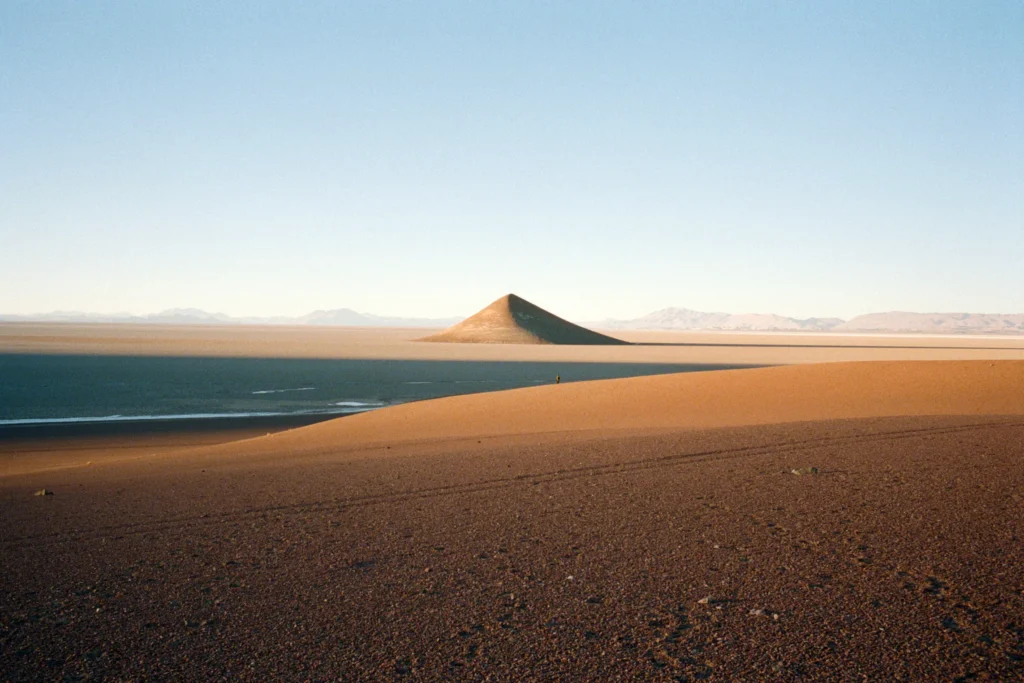
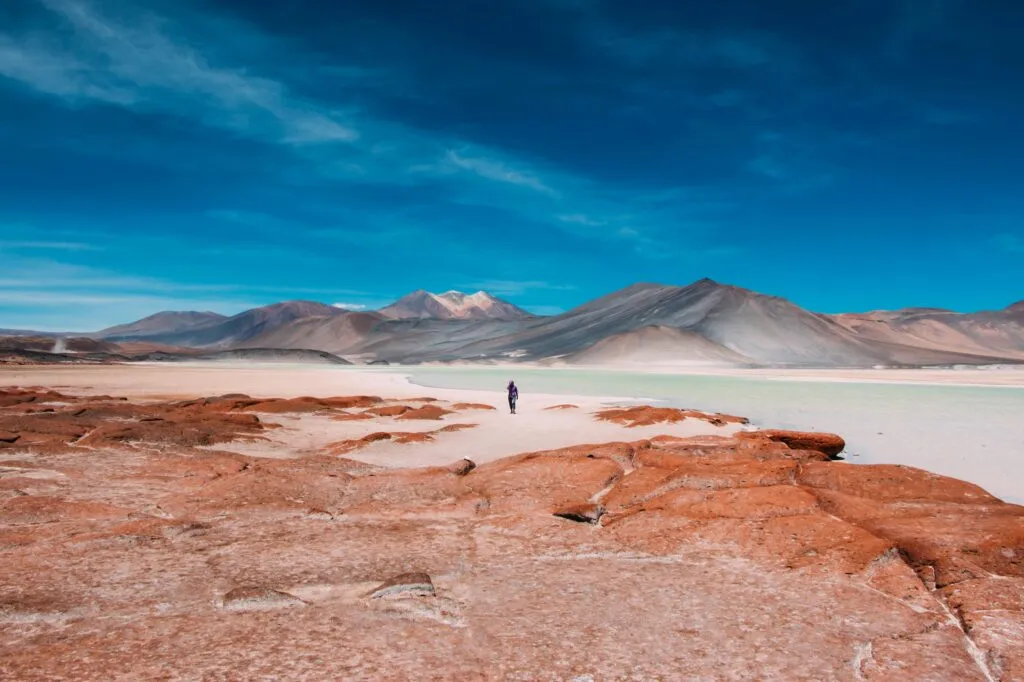
Most visitors stick to San Pedro de Atacama in the north. Far fewer make it to the Atacama’s southern reaches, where the desert runs all the way to the long, empty coastline of the Pacific Ocean.
Base yourself at Wara Hotel in Copiapó, or go further off-piste at Wara Nomade, a luxury beach camp pitched high above the shoreline. Inland lie lagoons filled with flamingos, glistening salt pans and fossil beds.
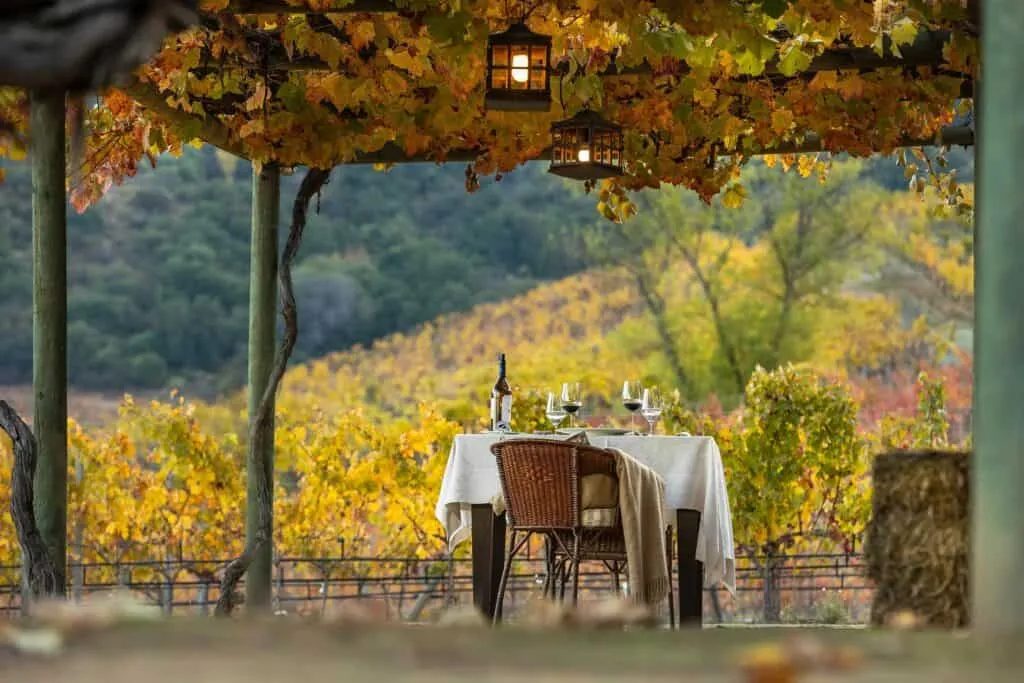
From here, the road to the Elqui Valley climbs into a softer landscape of orchards, vines and bare, sun-baked hills. Once the haunt of mystics and poets, it’s now one of Chile’s most interesting wine regions, with a handful of small-scale wineries producing mineral-rich, high-altitude Syrah and Pedro Ximénez. Casa Molle is the pick of the stays. When night falls, the Elqui Valley is one of the best places for stargazing in Chile – the world’s first International Dark Sky Sanctuary, it’s home to some of the clearest, most luminous skies on Earth.

4. Chiloé: Island Life in Southern Chile
Just off the coast of southern Chile, Chiloé Island feels quite unlike the mainland. Cross the Chacao Channel by ferry and the fjords give way to the sheep pastures, wind-bent clapboard houses, and wood-shingled churches of Chiloé. When Darwin passed through in 1834, he wrote of the island’s eerie beauty – a phrase that still feels apt nearly two centuries on.
There are famously around 70 churches on this small island, 16 of them built entirely without nails; constructed by the Jesuits in the 17th century, they are now UNESCO World Heritage Sites. In the markets, stalls are laden with smoked mussels, dozens of native potato varieties, and thick woollens spun on the island. Fishing still drives the local economy: small, brightly-painted boats bob in coves, and at low tide the sea recedes to reveal shellfish beds and seaweed harvests.
Refugia Chiloé (formerly Tierra) is the island’s smartest address, built in the style of a palafito, one of the island’s traditional stilt houses. Inside, rooms come with soaking tubs, binoculars, and wide ocean views. Excursions range from riding along coastal trails to kayaking narrow inlets or venturing into Bosquepiedra forest and the Ahuenco reserve to spot penguins and sea lions.

5. The Chilean Fjords: Patagonia by Sea
The fjords of Chilean Patagonia are among the wildest places left in South America. Carved by ice and largely inaccessible by land, they are a labyrinth of towering cliffs, icefields that rise abruptly from the water, and rocks dotted with sea lion colonies.
Among the few ways in, our favourite is Nomads of the Seas – a luxury expedition yacht with its own helipad and a small fleet of zodiacs to access the fjords’ narrow inlets and valleys. Some routes head towards the San Rafael Glacier, while others navigate the lesser-known channels around Isla Magdalena.
You’ll paddle alongside sea lions, drop lines for trout in secret valleys, and soak in hot springs that bubble up in the middle of nowhere. When the day’s done, return to Chilean wine on deck and a proper bed.
—
Whether you’re returning to Chile or coming for the first time, these landscapes and communities still remain mercifully off the international tourist radar – at least, for now. We’ve driven these routes and stayed at these properties; we know the lodge owners, the best guides, the quietest trails, and can steer you to the places and people that suit how you like to travel.
CONTACT US
Bespoke private journeys to Latin America and Antarctica, designed by specialists.

Conde Nast Traveler Specialists every year since 2017