
LUXURY HOLIDAYS IN EL SALVADOR
The smallest – and most overlooked – country in Central America, El Salvador is stepping out of the shadows.
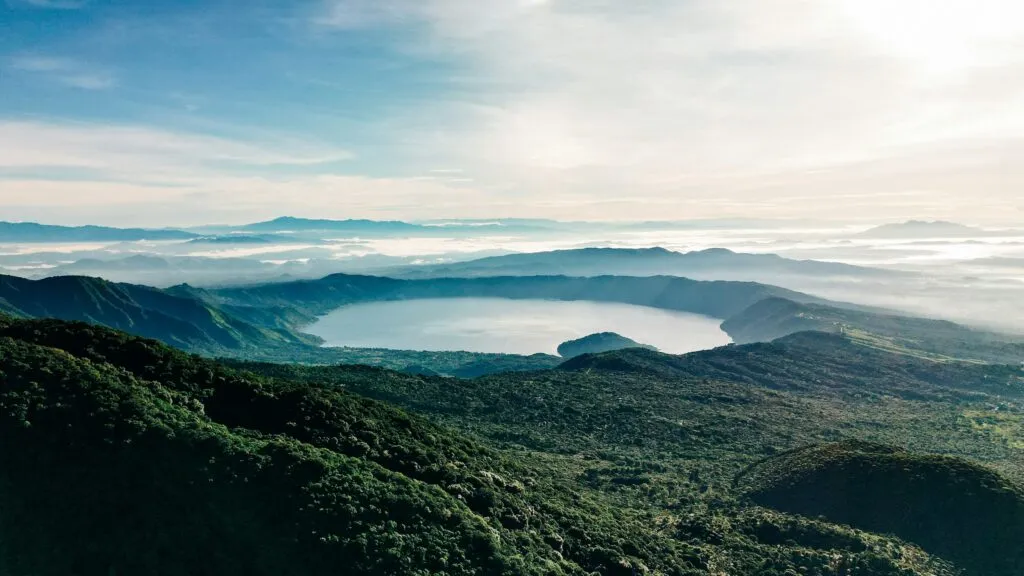
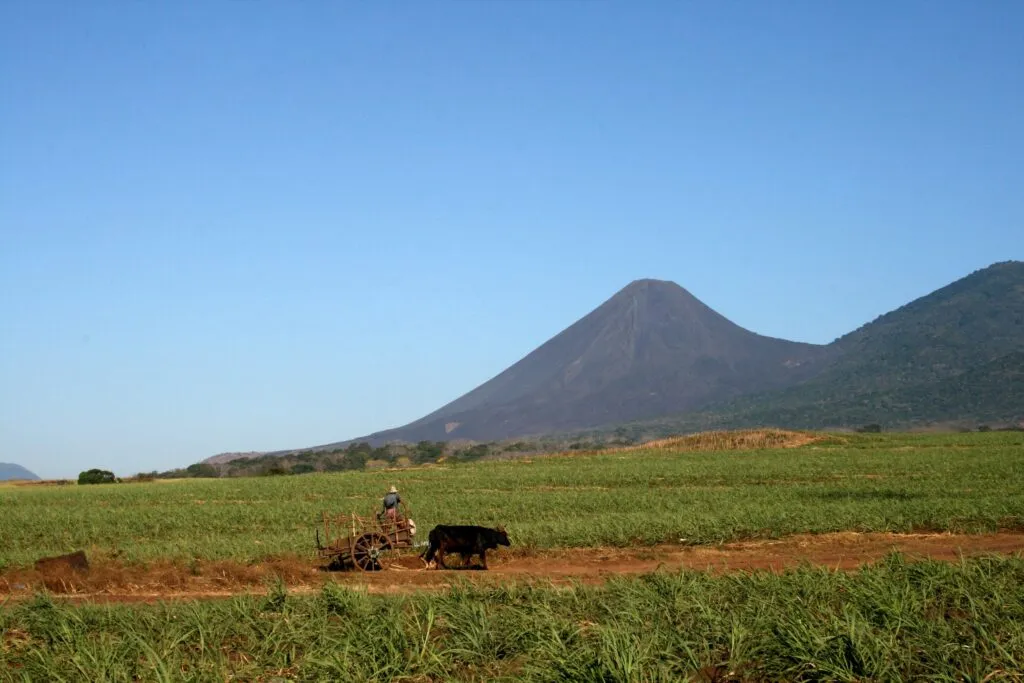
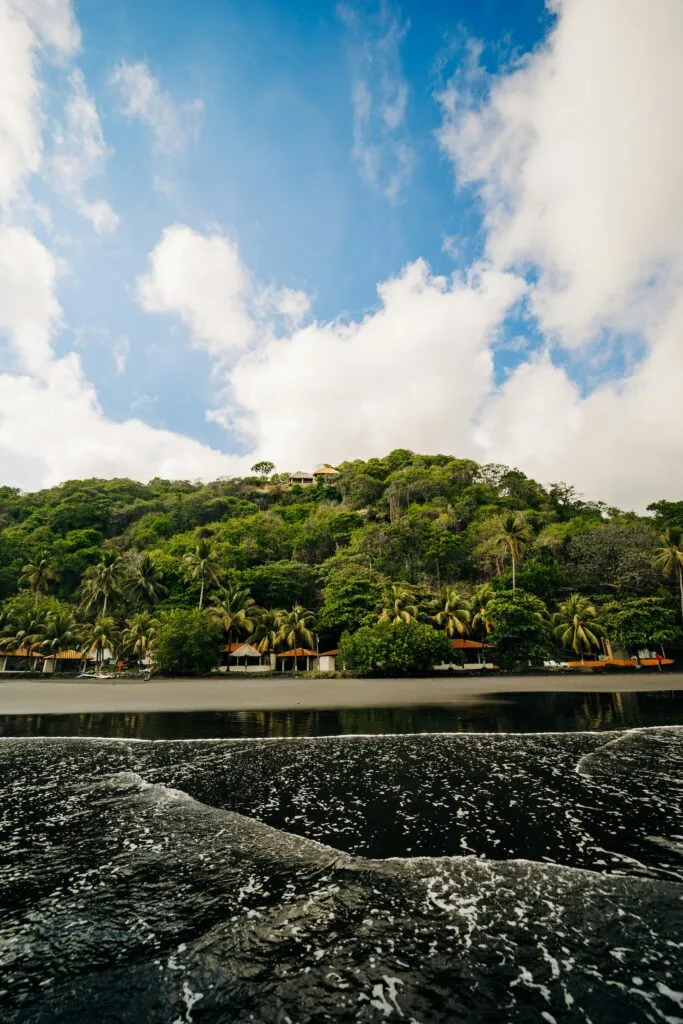
Set between Guatemala and Honduras, El Salvador is home to wild beaches and islands, lovely colonial villages, misty coffee plantations, a UNESCO-listed Mayan site, and a whole string of volcanoes – all packed into a tiny space of just 21,000km2.
Still little-travelled, it still feels refreshingly unpolished, and the Salvadorans are genuinely delighted to welcome visitors – it’s known, with good reason, as the ‘Country of the Smile’. Our journeys there are shaped by experience on the ground and close relationships with those who know it best.
WHAT TO SEE & DO IN EL SALVADOR
Small enough to cross in a matter of hours, El Salvador offers the best of Central America in a compact area.
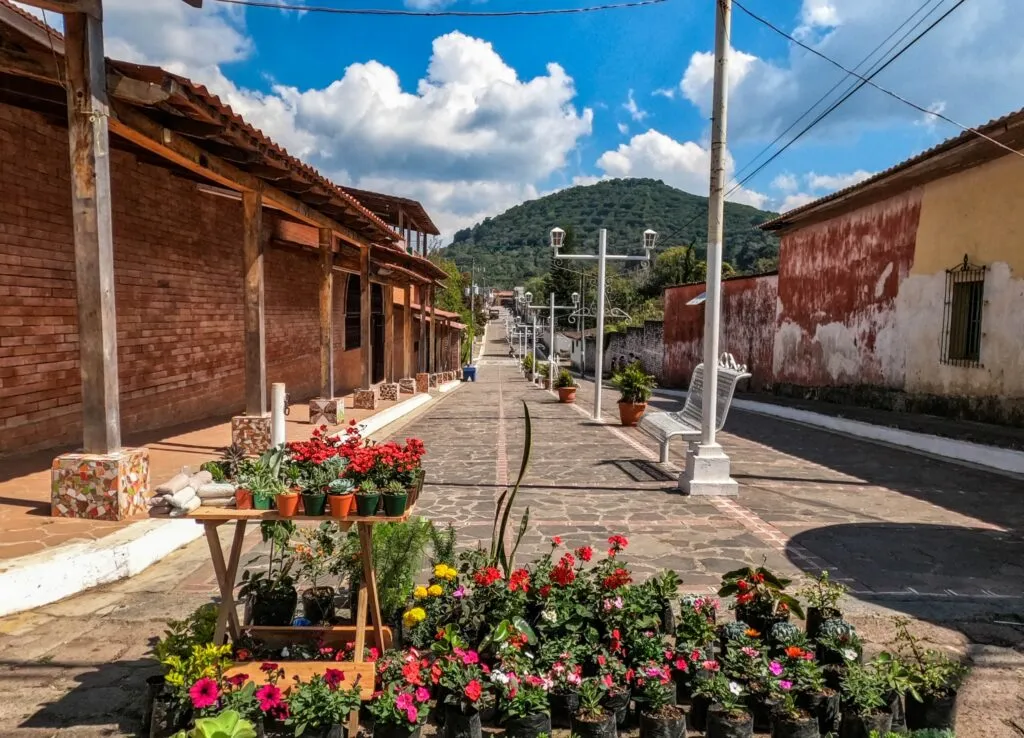
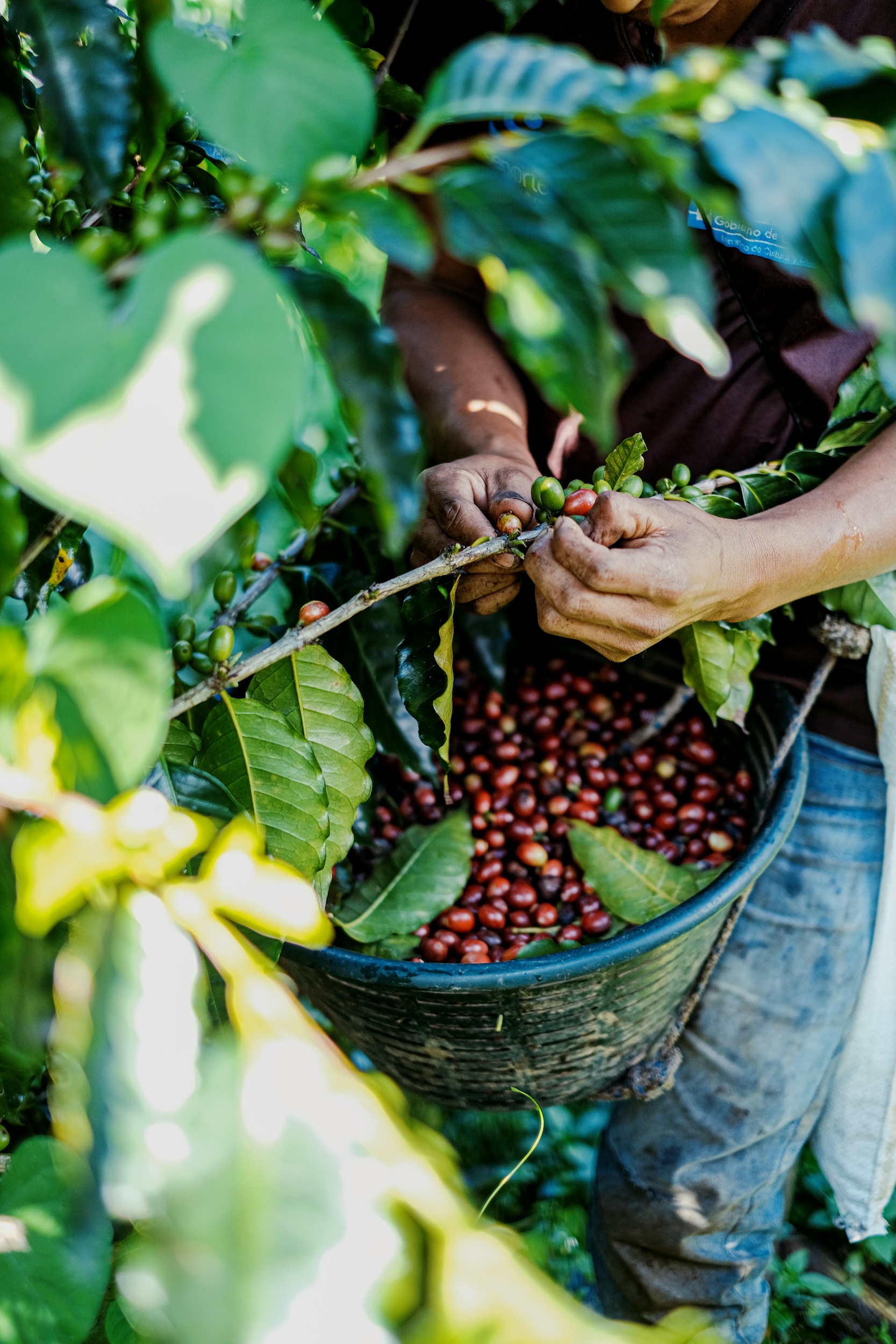
There are elegant colonial towns and small, colourfully-painted highland villages to explore, with whitewashed churches and local craft markets, flower-filled hikes peppered with hot springs, waterfalls and coffee plantations.
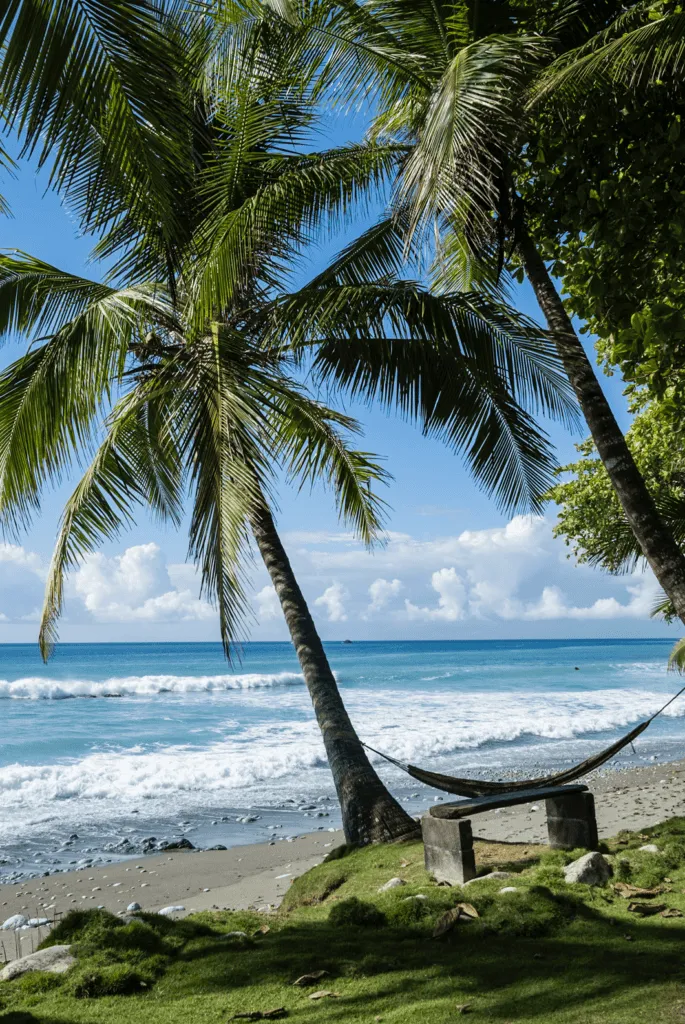
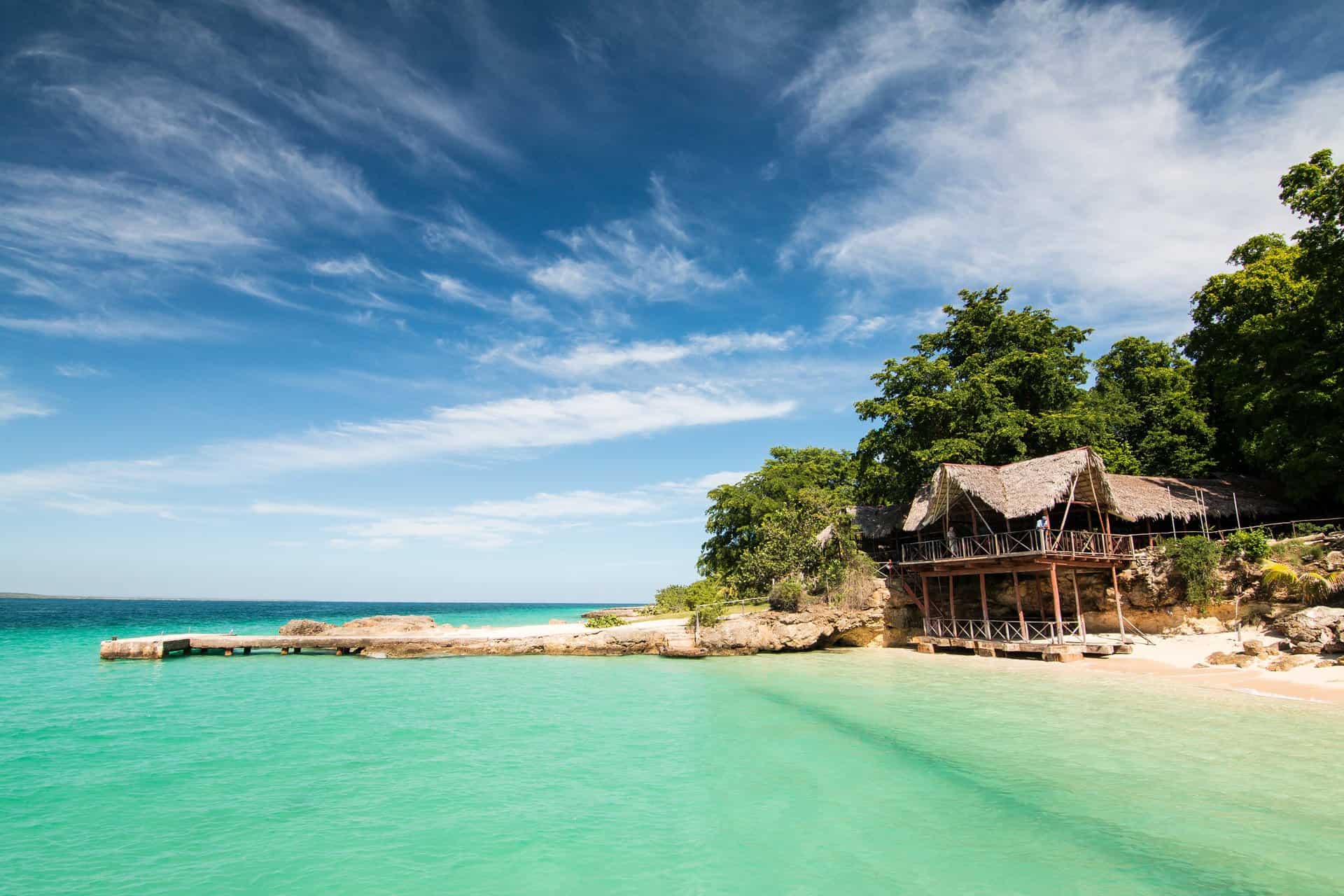
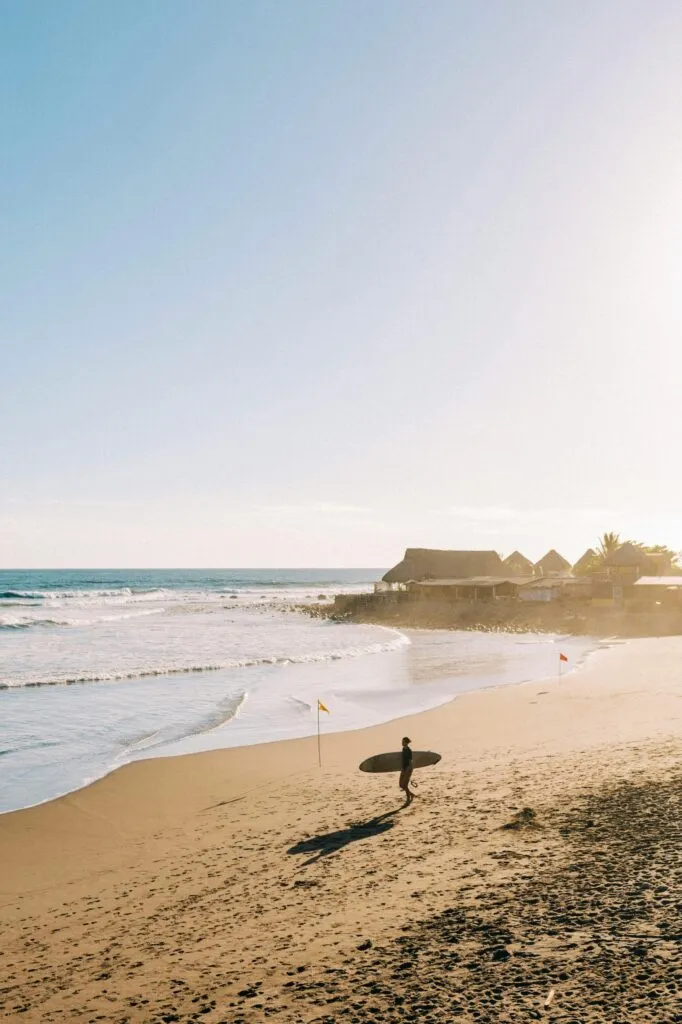
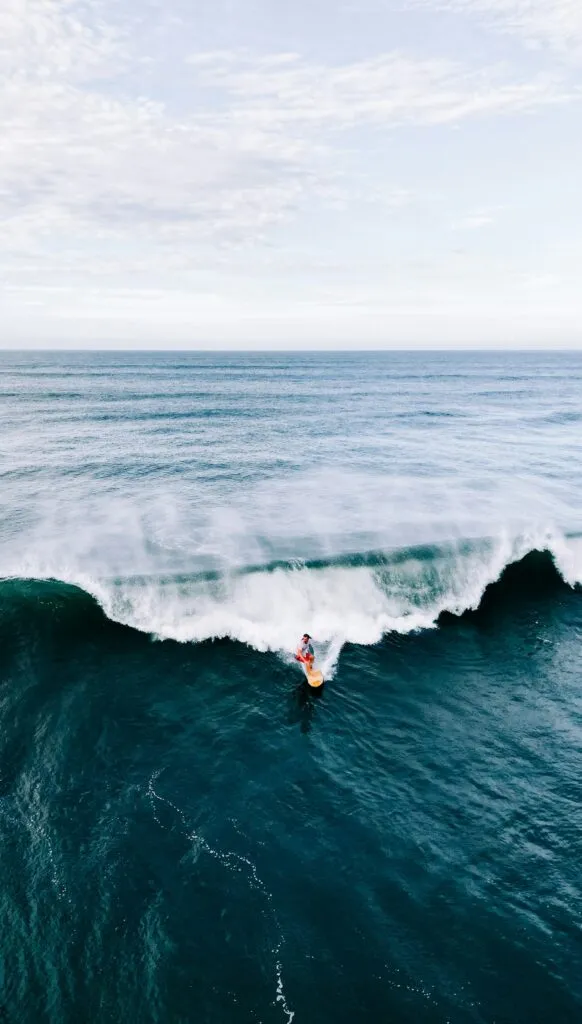
La Libertad is known for its world-class Pacific surf breaks and rugged cliffs, while the far western coast has remote white sand beaches and mangroves rich in birdlife. Inland, you might hike to the bright green crater of Santa Ana volcano or take a dip in Lake Coatepeque.
Road tripping is our favourite way to travel; the roads are among the best in Central America, and distances are rarely far. Routes, timings, guides and stays are tailored to how you like to explore, with a few of our own signature surprises along the way.
WHERE TO VISIT IN EL SALVADOR
Explore our favourite places in El Salvador, from the surf-lined Pacific beaches of La Libertad to art and colonial architecture in Suchitoto.




EXPERIENCE SALVADORAN CULTURE
Select a Sense
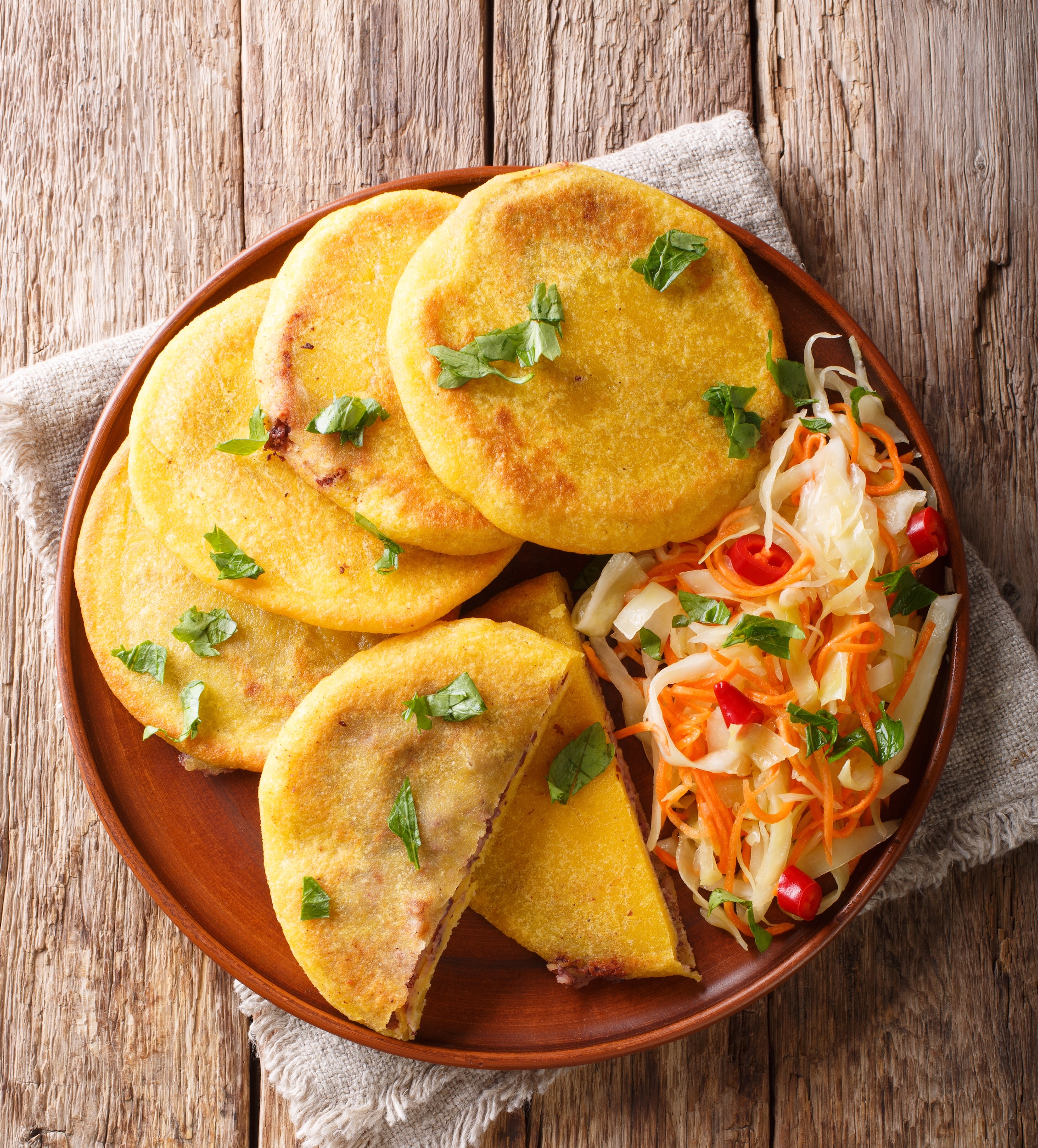
Salvadoran cooking centres on bold, uncomplicated flavours. Pupusas — thick corn tortillas filled with cheese, beans or pork — are a national staple, served hot with curtido and tomato salsa. Street stalls turn out yuca frita with chicharrón and grilled meats, and soups of corn, chicken or beef. Along the Pacific coast, there’s plenty of seafood, from ceviche to simply grilled fish.
Music in El Salvador is part of everyday life, shaped by Indigenous and Spanish influences. Traditional styles feature marimba, guitar and brass, alongside rhythms like cumbia and merengue. Álvaro Torres is the country’s most internationally recognised artist, known for his ballads, while María de Baratta played a key role in preserving folk traditions. More recently, groups like Pescozada have brought hip-hop into the mainstream.
Woven hammocks, indigo-dyed linens, hand-painted ceramics and wicker craft, sourced from small workshops and independent makers. Coffee and small-batch chocolate from local plantations. Folk art inspired by Salvadoran artist Fernando Llort, and hand-rolled cigars from Suchitoto.
Solito by Javier Zamora, a memoir of his 3,000-mile journey from El Salvador to the US as an unaccompanied nine-year-old; The Popol Vuh, poet Michael Bazzett’s translation of the Mesoamerican creation story, an intricate epic full of mischief and beauty; and Stories and Poems of a Class Struggle, by Roque Dalton, who dedicated his life to anti-fascist revolution and poetry before being murdered by his comrades.
READ MORE


-
What is the best time of year to visit El Salvador?
El Salvador’s dry season is from November to April, bringing clear skies and warm temperatures – in November and December, views from the central highlands can stretch across the country. The rainy season falls between June and October; travel is still very much possible, and most outdoor activities can take place during the day, but it can be showery at night.
-
How many days should I allow to explore El Salvador?
5–8 days is enough to see the highlights, or if combining with a neighbouring country. If time allows, 10-14 days allows you to spend time in a few different regions and really get a sense of the country.
-
Is El Salvador safe to visit?
El Salvador has changed enormously in recent years and is now considered one of the safest countries to travel in Central America. As ever, it’s sensible to stay aware of your surroundings, but we happily recommend for guests to self-drive and explore where they please.
-
What countries can I visit alongside El Salvador?
Guatemala is a natural pairing with El Salvador, heading north into the highlands and on to the Maya sites around Tikal. To the southeast, it’s possible to cross into Nicaragua by boat across the Gulf of Fonseca, arriving into Potosí.
CONTACT US
Contact our specialists to begin planning your El Salvador adventure.

Conde Nast Traveler Specialists every year since 2017