
Mexico’s great cities are reason enough to travel here, but they’re only part of the picture.
Beyond the colour and energy of Mexico City, Oaxaca and Mérida is a quieter Mexico of countryside towns, villages and remote fishing communities. Here, some of the country’s richest local culture and character can be found: excellent markets with few – if any – other international tourists in sight, fiercely regional cooking, craft traditions passed down through generations, and communities with a strong sense of identity. Increasingly, there are also some very good places to stay.
Some are officially designated Pueblos Mágicos – Magical Towns; others aren’t, but have much the same appeal. From the craft villages around Pátzcuaro to a tiny fishing community reached only by boat on the Jalisco coast, these are six of our favourites worth travelling for.
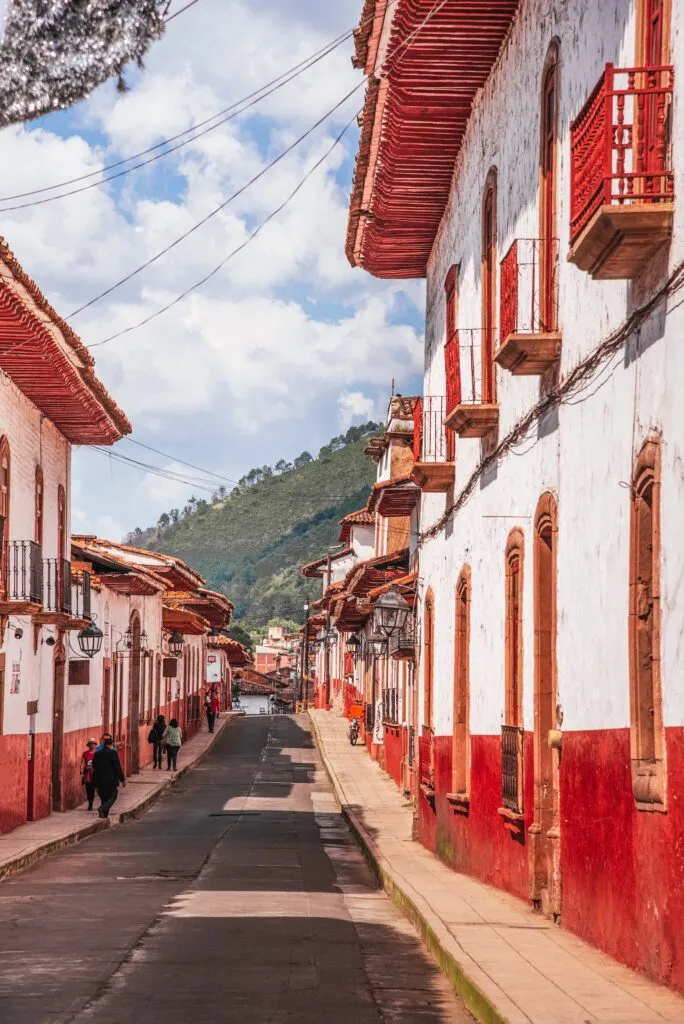
1. Pátzcuaro, Central Highlands
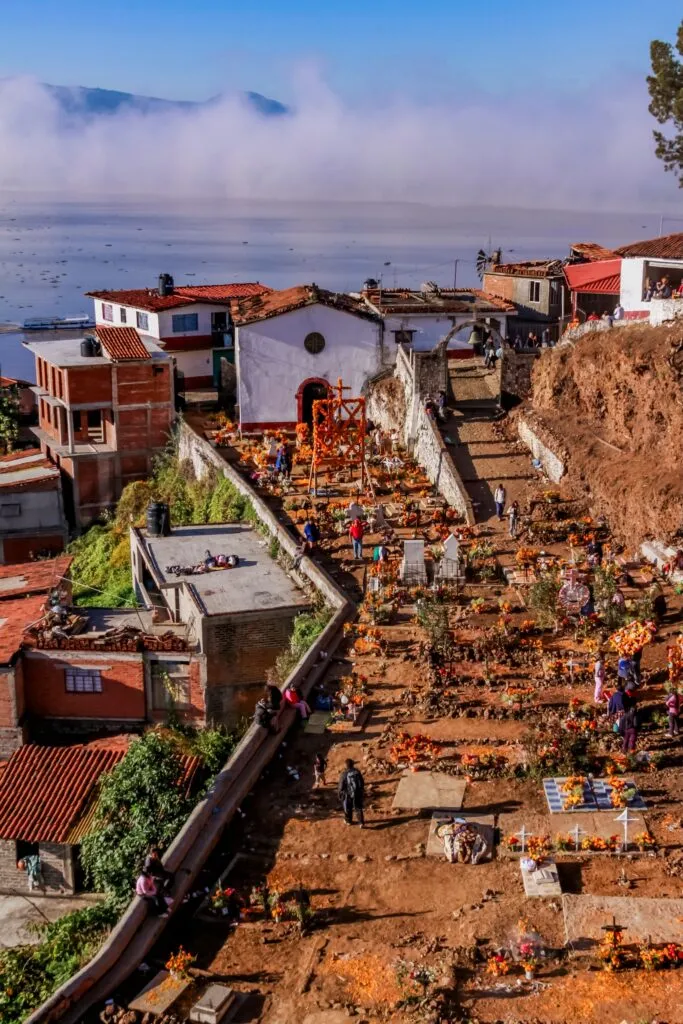
High in the mountains of Michoacán, a half day’s drive from Mexico City, Pátzcuaro is a handsome old town of whitewashed houses, red tiled roofs, and grand 16th- and 17th-century mansions and churches. Its vast main plaza is full of life, with shoe shiners, balloon sellers and musicians serenading passers-by, and a market that brings in flowers, food and crafts from villages around the lake. Look out for nieve de pasta, the town’s wonderfully old-fashioned milk ice cream.
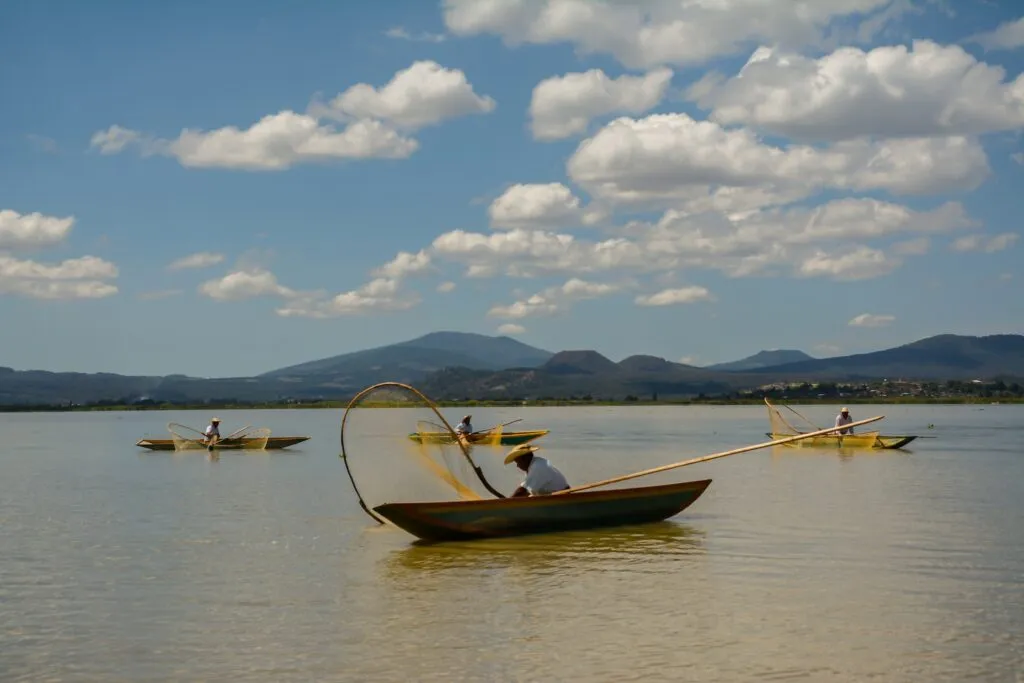
Beyond the town itself, this is the heartland of the Indigenous Purépecha people. Different communities around Lake Pátzcuaro have developed their own craft traditions over generations – pottery, weaving, woodcarving, lacquerware and metalwork – and it’s worth allowing at least a full day to explore with someone who knows which workshops to knock on. In Tzintzuntzan, the former Purépecha capital, artisans produce pottery, embroidered textiles and basketry; there’s also a 16th-century Franciscan convent with ancient olive trees in its enormous atrium. In nearby Santa Clara del Cobre, master craftsmen produce enormous hand-hammered copper pieces, and the sound of metal being beaten can be heard through the streets.
Back in Pátzcuaro, bed down at Casa de la Real Aduana, a tiny five-room hotel in a 16th-century house just off Pátzcuaro’s main square owned by French photographer Didier Dorval and his Mexican artist wife, Gemma. Once the tax house of New Spain, it is now part hotel, part private home and part gallery, filled with Michoacán crafts, European art and pieces the couple have collected on their travels.

2. Bacalar, Yucatán Peninsula
Close to the Belize border in the far south of the Yucatán Peninsula, Bacalar is a small town on the shores of a vast freshwater lagoon, deep in thick Mexican jungle.
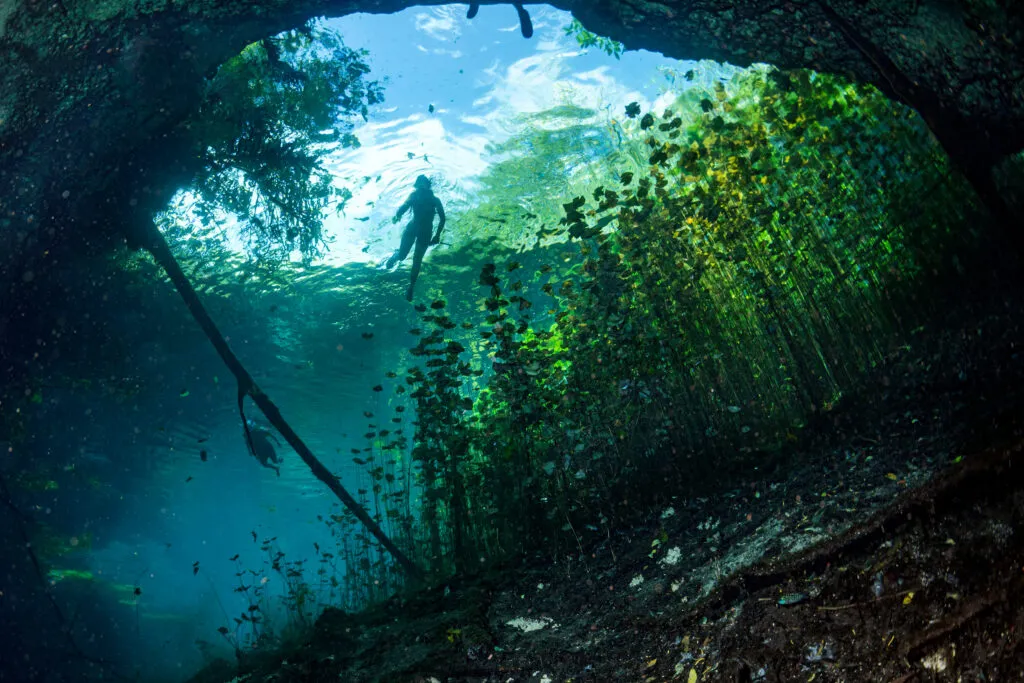
There’s an interesting 18th-century fort, and a rich pirate history in the area, but the real reason to make the journey is Laguna Bacalar – a long freshwater lake stretching for more than 40 kilometres through the jungle. Known as the Lagoon of Seven Colours, its white limestone bed is dotted with deep cenotes – freshwater sinkholes – causing the water to shift from pale turquoise and mint green to deep indigo. Take a small sailing boat across the lake, or set out by kayak or paddleboard early in the morning, when the water is usually at its calmest and reflects lavender and rose hues from the sky. The lagoon is home to ancient stromatolites, fragile living formations created over thousands of years by communities of microorganisms, so must be explored carefully, with a good local guide and without motorboats.
The secret is very much out about Bacalar, but away from the town itself there are still quiet parts of the lake shore, and a crop of thoughtful new boutique hotels hidden in the jungle. Our favourite is Boca de Agua, where architect Frida Escobedo has raised a collection of wooden treehouses on stilts in the trees, with an open-air restaurant and a wooden jetty to swim from.
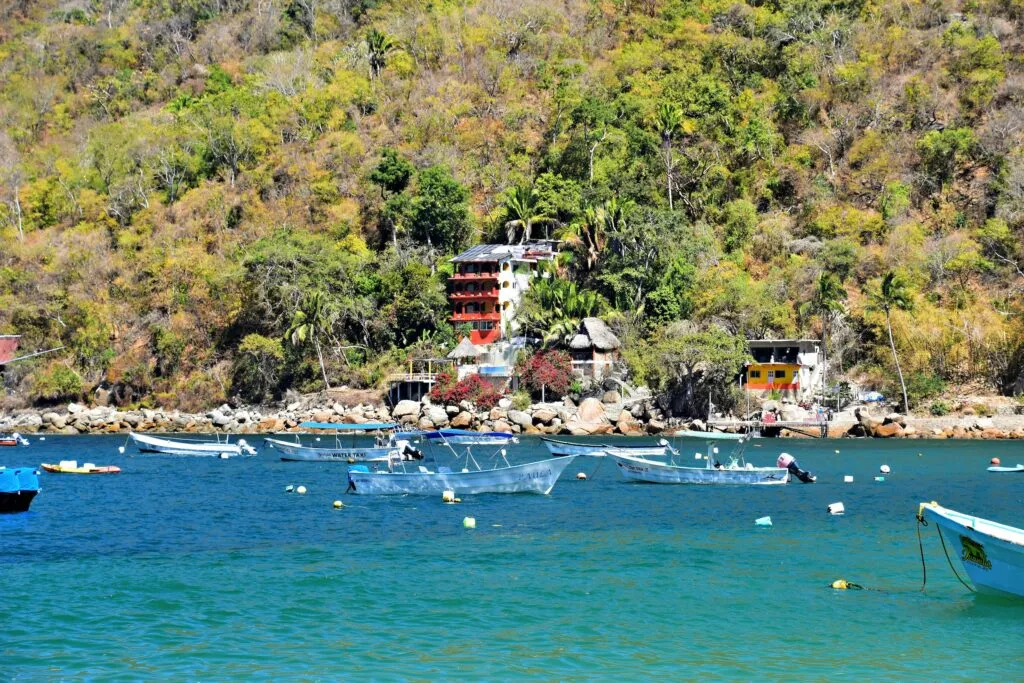
3. Yelapa, Jalisco
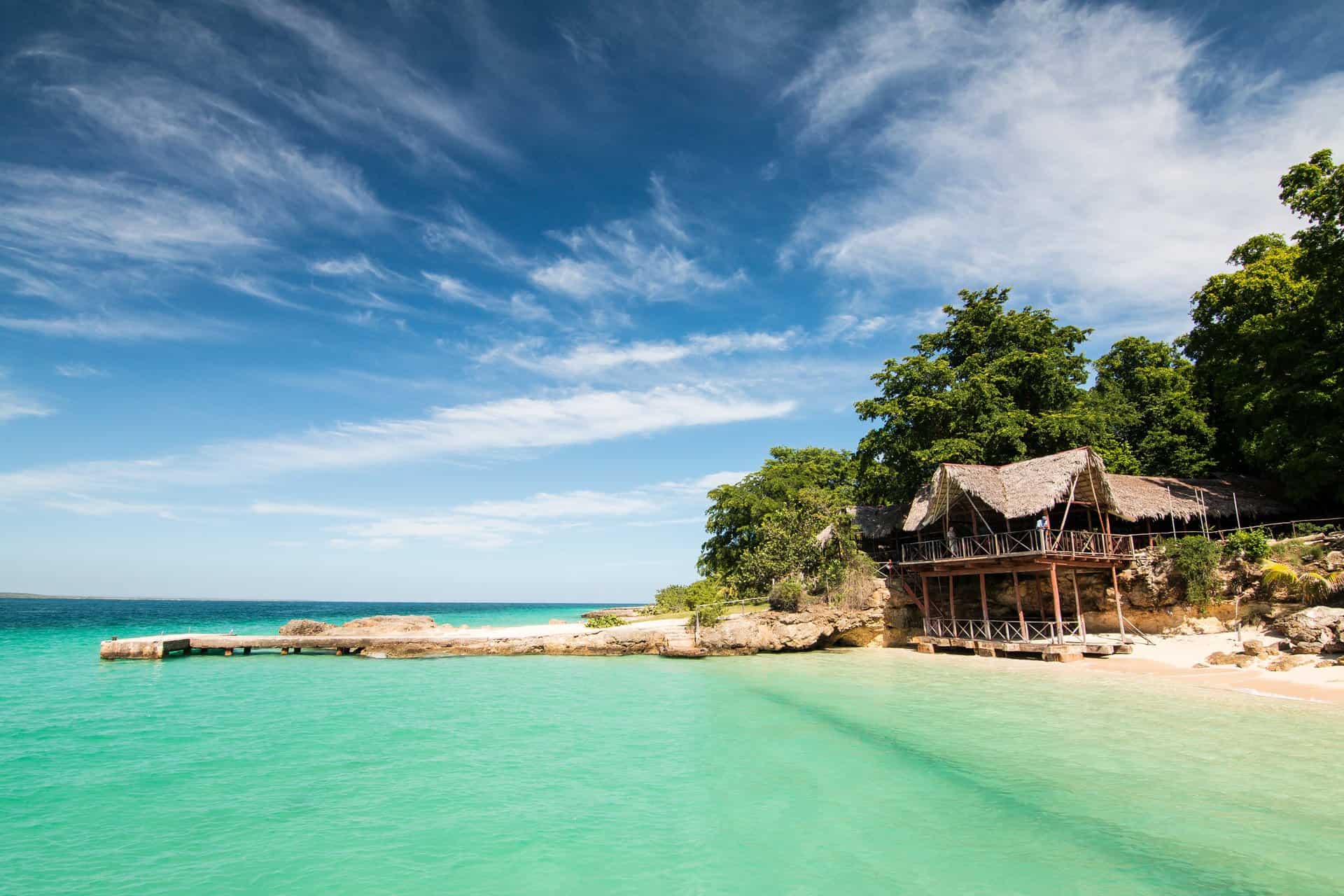
Just south of Puerto Vallarta, where the mountains of the Sierra Madre run straight into the Bay of Banderas, Yelapa is a tiny fishing village wedged between the jungle and the sea. There’s still no road connecting it to Puerto Vallarta; you arrive by panga, following the coast south before pulling into a small horseshoe-shaped bay. From there, it’s a steep climb through the forest to the open-air casitas of Verana, with mules available to carry luggage.
In the morning, head into the village as the fishing boats come ashore and have whatever has been landed that day for lunch. Keep your eyes peeled for the famous pie ladies: homemade “pays” have been sold on Yelapa’s beach for decades, carried around in plastic boxes and cut into generous slices on the spot – coconut is the classic. Behind Yelapa, there are paths through the jungle to waterfalls and swimming holes; alternatively, hire a boat and spend the day exploring difficult-to-reach beaches and coves around the bay.
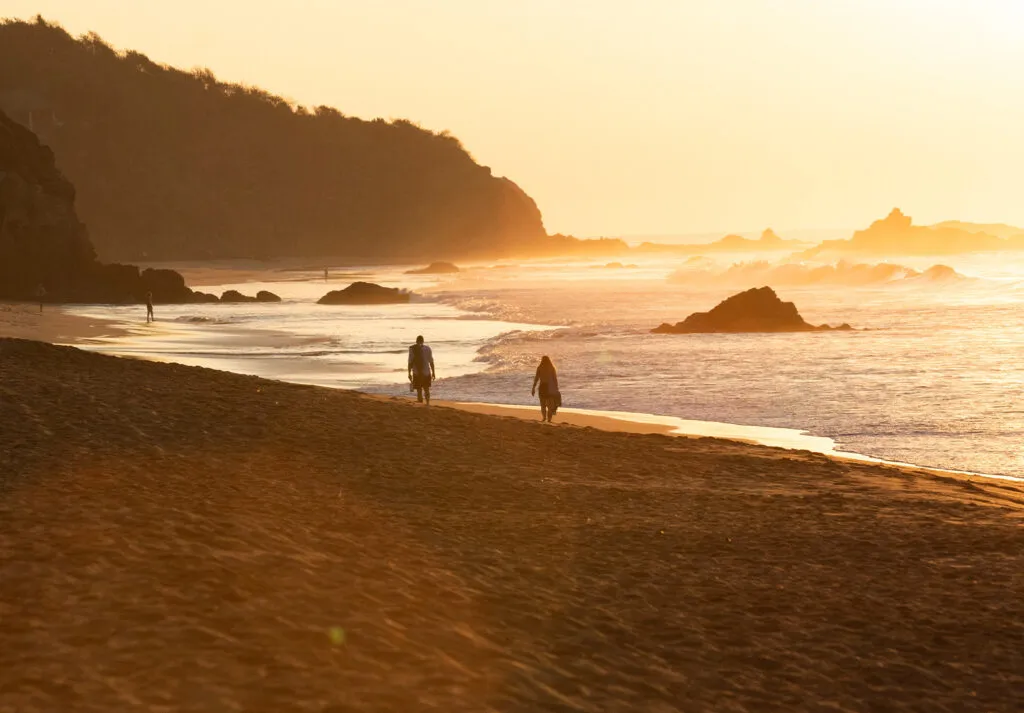
4. San Agustinillo, Oaxaca
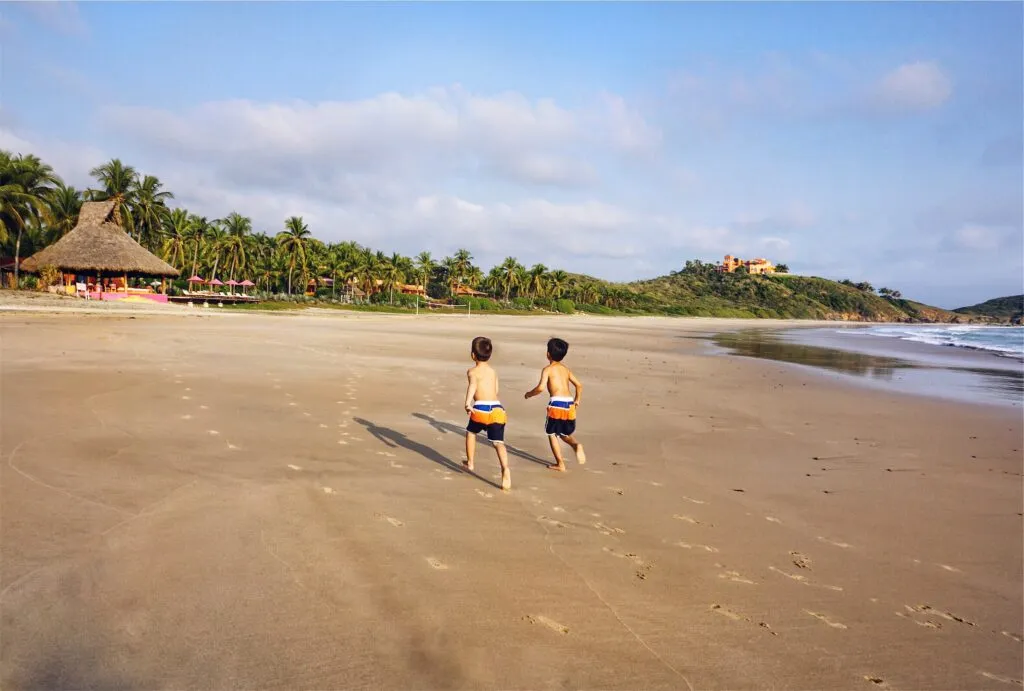
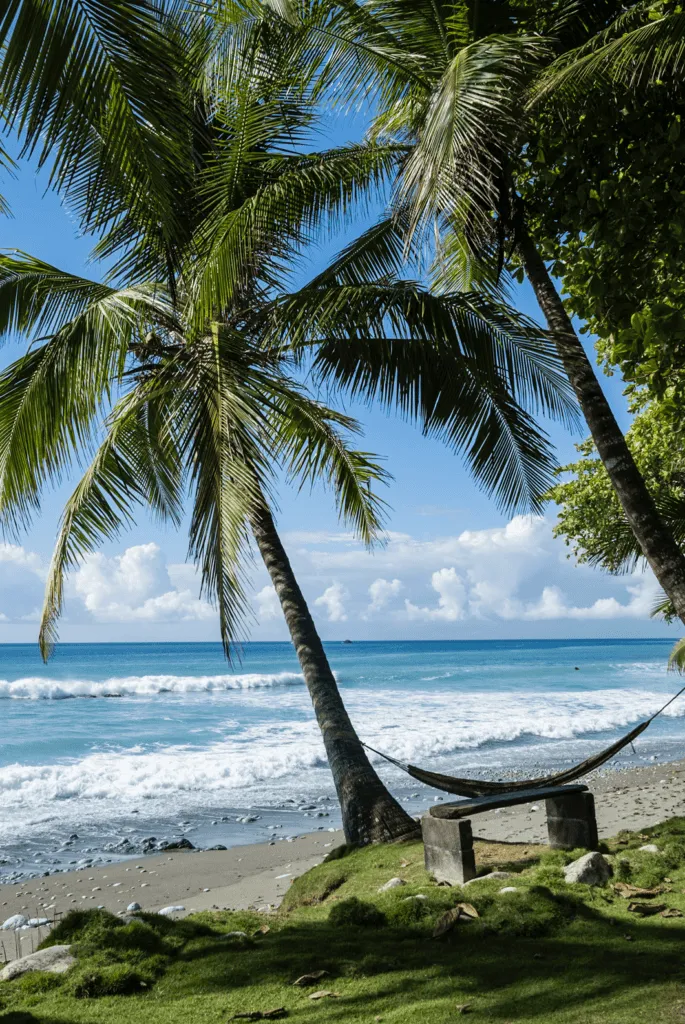
Puerto Escondido may get most of the attention on the Oaxacan coast, but we prefer little San Agustinillo further south – albeit not technically ‘magical’. This pleasingly unpolished fishing village is spread over three sandy coves, with boats pulled up on the beach, a handful of low-key restaurants, and a slightly backpackerish air. The Pacific is powerful here, and there’s great surfing and bodyboarding when the swell is up.
Stay at Casa Aamori, a small, chic adults-only hotel right on the sand at the quieter end of the village. Walk fifteen minutes along the coast and you’ll reach Mazunte, where there are yoga studios, mezcalerías, independent shops, and plenty of good places to eat; from there, continue on foot to Punta Cometa, the rocky headland beyond town, for sunset over the Pacific. This whole coastline is important turtle country, and in season you can see hatchlings being released on the beach.
It’s worth having a car or driver for the day to explore further along the coast. Playa Agua Blanca is a favourite – one of the coast’s few remaining secrets with unpaved roads, no internet connection and few – if any – tourists. There’s little here but the beach, rock pools full of marine life, and a few rustic palapa seafood restaurants serving ultra-fresh fish cooked simply with garlic, chilli and lime.
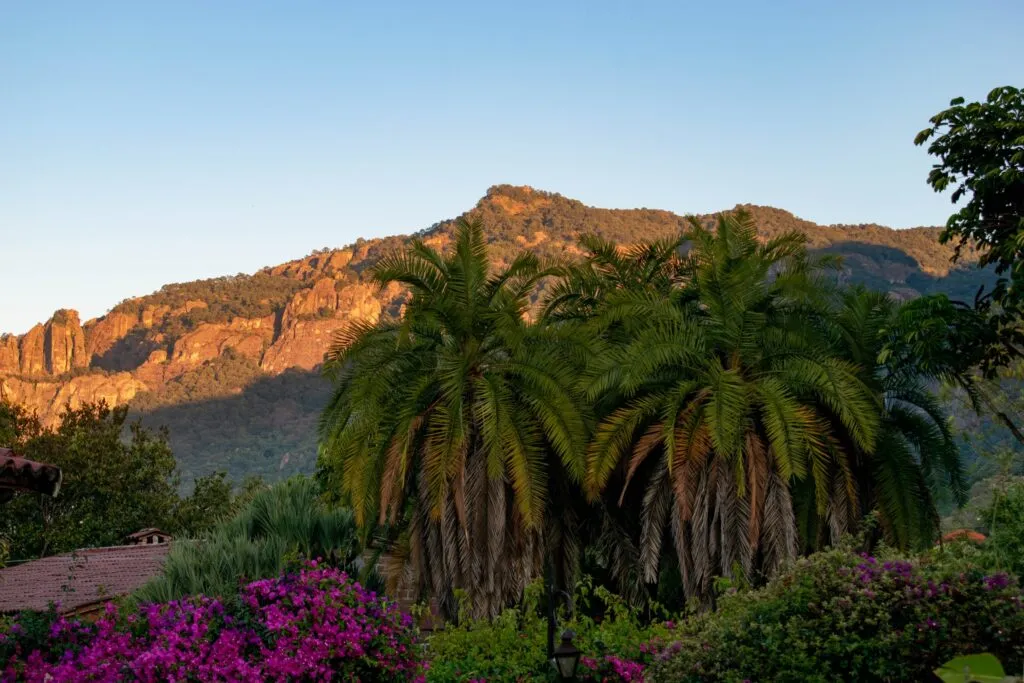
5. Tepoztlán, Morelos
Less than two hours south of Mexico City, Tepoztlán sits beneath the sheer volcanic cliffs of the Tepozteco mountains. Artists, healers and spiritual seekers have been coming here from the capital for decades, but beneath the crystals and aura readings is a very old town, with cobbled streets, a 16th-century convent, and strong pre-Hispanic traditions.
Come at the weekend, when a superb market takes over the centre. Stalls sell pottery, embroidered clothes, medicinal herbs, fruit and great street food; look out for itacates, triangular corn cakes particular to this part of Morelos, split open and filled with anything from beans and cheese to stews. Afterwards, climb through the forest to El Tepozteco, a small pre-Hispanic temple dedicated to Tepoztecatl, the god associated with pulque (a local fermented alcoholic drink), high on the ridge above town. It’s a steep climb, but the views back across the valley are extraordinary.
It can be visited as a day trip from Mexico City, but is at its best – and quietest – in the early morning and evening, so it’s worth staying a night or two if you have the time. Amomoxtli, on the outskirts of town, has a pool looking straight towards the Tepozteco ridge and a very good spa; try the temazcal, a traditional sweat lodge ceremony using heated stones, medicinal herbs and steam.
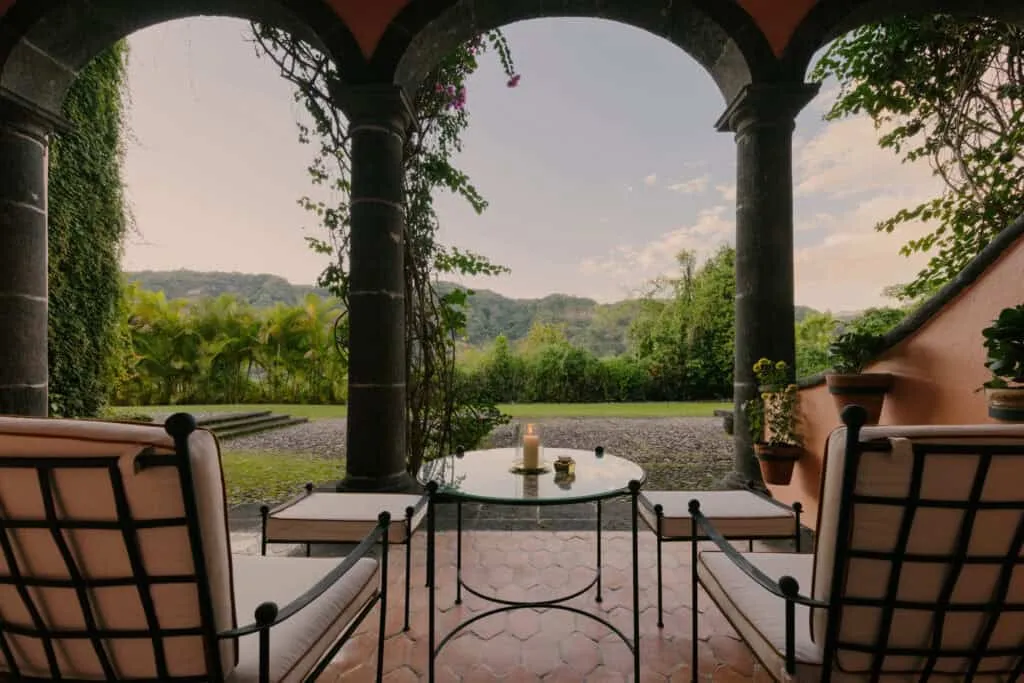
6. Comala, Colima
At the foot of the active Volcán de Fuego, Comala is a small whitewashed town in the green highlands of Colima, surrounded by coffee country, ranches and forest. It is also the town immortalised by Juan Rulfo in Pedro Páramo, although the real Comala is considerably less ghostly, with a handsome main square, cobbled streets and cafés serving coffee grown in the volcanic hills above town.
Comala is known for its old-fashioned botaneros, where ordering a drink brings a succession of small plates to the table, and for ponche, a local fruit punch made in flavours ranging from pomegranate and tamarind to coffee. A short drive away lies Suchitlán, an Indigenous Nahua village known for its carved wooden masks.
In the hills above Comala you’ll find Hacienda de San Antonio, one of Mexico’s great country hotels set on a coffee estate. Beyond the gardens, its 5,000-acre working ranch spans coffee plantations, farmland and cloud forest. Explore it on horseback, head out birdwatching in the forest or have a picnic laid out somewhere on the estate. The hacienda can also arrange traditional charreada horsemanship displays and hot-air balloon flights over the volcano.
—
Our private journeys across Mexico are built from the ground up, designed around your interests, how you like to travel, and the time you have. We have a black book of exceptional stays, local guides and fixers who can bring the trip to life, and a dedicated 24/7 concierge while you’re on the road. If you’re thinking about Mexico, speak to one of our travel designers and we’ll take it from there.
CONTACT US
Bespoke private journeys to Latin America and Antarctica, designed by specialists.

Conde Nast Traveler Specialists every year since 2017