
Mexico is one of our favourite countries to explore as a family – enormous, occasionally chaotic, and almost impossible to get bored in.
There are ancient Maya cities swallowed by jungle, cenotes to swim in, volcanoes to hike, markets to taste your way around and some of the richest marine life in the Americas. Few places combine culture, wildlife, food and adventure quite so easily – or have so much that appeals to kids as well as parents.
Younger children can paint fantastical alebrijes in Oaxaca, cook alongside a family in the Yucatán, listen to tales of ancient gods and watch masked luchadores fly through the air in Mexico City. Older kids and thrill-seeking teens can try freediving, surfing, mountain biking, surfing, wildlife conservation and expeditions into the desert. Easy direct flights from the US and many European cities make travel relatively painless compared with much of Latin America.
Vast and sprawling, trying to see too much of Mexico in one trip is a mistake, meaning the hardest part is often deciding which parts to major on – from cities and highlands to desert or coast. Here, we’ve narrowed it down to five of our favourites, each offering a very different kind of adventure.

1. Yucatán Peninsula – Mérida and Soliman Bay
The Yucatán is one of the best places in Mexico for families looking for adventure: adventurous without being arduous, with manageable driving distances and plenty of variety. Look beyond Cancun and Tulum and you find colonial haciendas, small Maya villages and ruins, wildlife reserves, and thousands of cenotes – freshwater limestone sinkholes – hidden in the jungle.
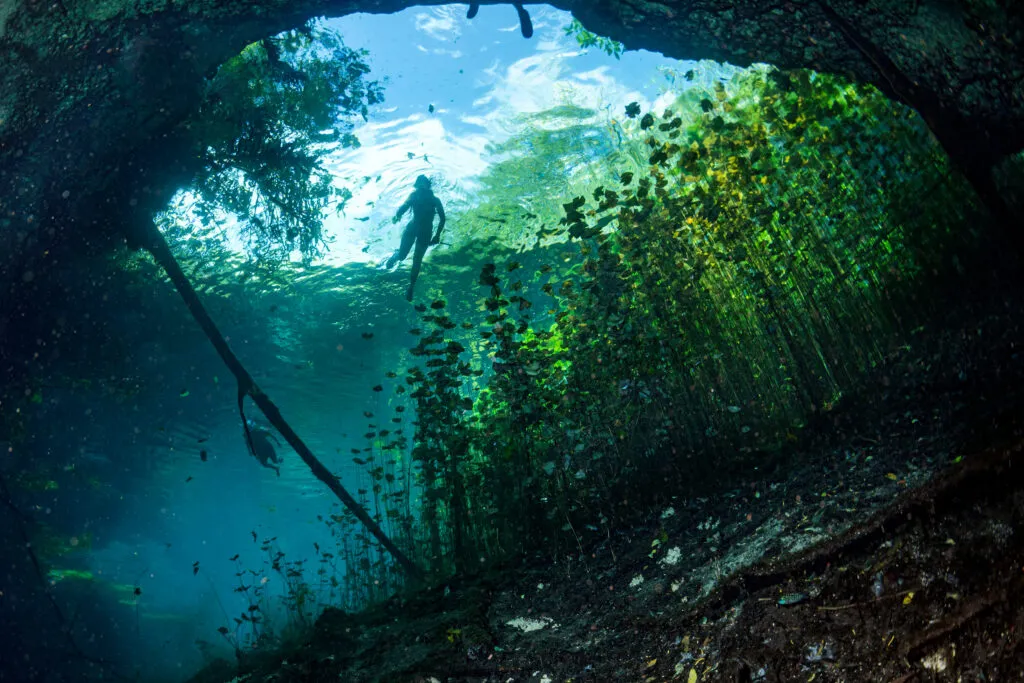
Start near Mérida, where Chablé Yucatán has family villas, acres of jungle and traditional Mayan gardens to explore. From here, swim in freshwater cenotes — some open to the sky, others partly underground, with tree roots and vines hanging towards the water — then join a local family to make cochinita pibil, wrapping the pork in banana leaves before it’s slow-cooked underground.
On the nearby Gulf Coast, set out by boat through the mangroves and lagoons of the Celestun Biosphere Reserve, where flamingoes gather in their thousands, before a dip in the sea and lunch of fresh ceviche on the beach, made with the day’s catch.
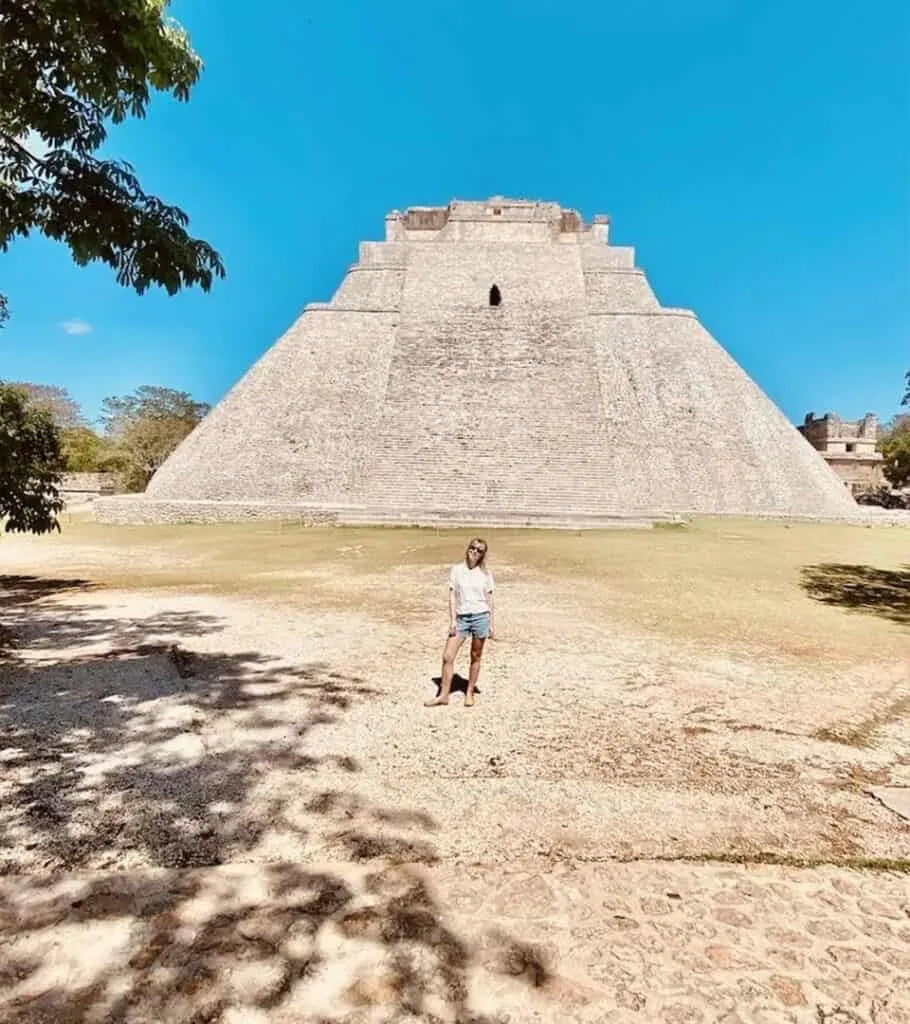
For Maya history, Chichén Itzá draws the biggest crowds, but with children we prefer the smaller, quieter sites, Uxmal and Ek Balam. A good private guide brings the ruins alive with stories: at Uxmal, kids love hearing the tale of the alux said to have built the Pyramid of the Magician in a single night – and the magic tortilla that later saved his life.
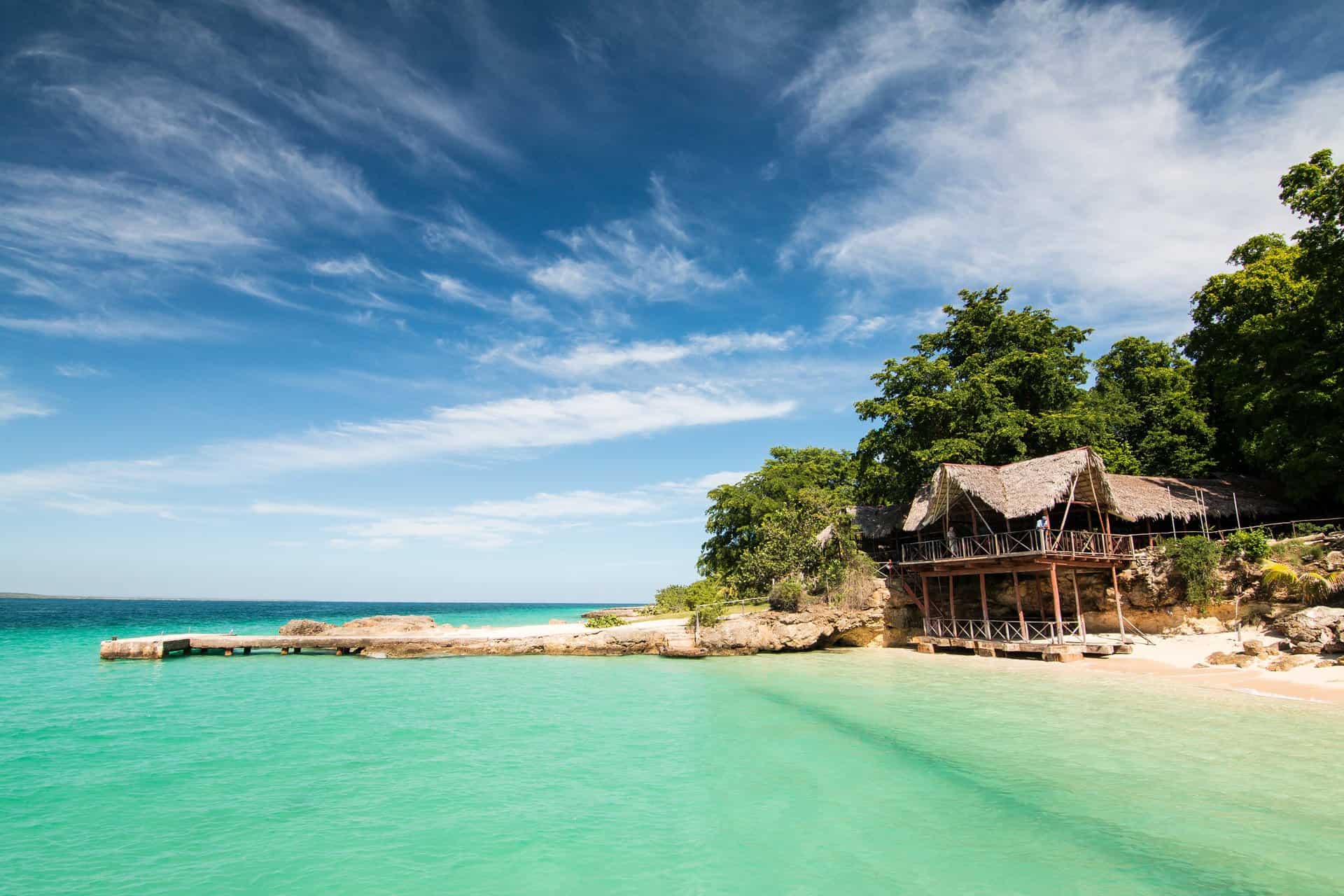
Finish on the other side of the peninsula, in Soliman Bay, for white sands and calm, shallow water protected by a coral reef. Family-run Jashita makes a great base, with spacious suites and snorkelling, kayaking and paddleboarding straight from the beach. For older kids, there’s kitesurfing and diving on the reef, and Sian Ka’an Biosphere Reserve is nearby for boat trips looking for dolphins, turtles and birdlife.
Mexico City
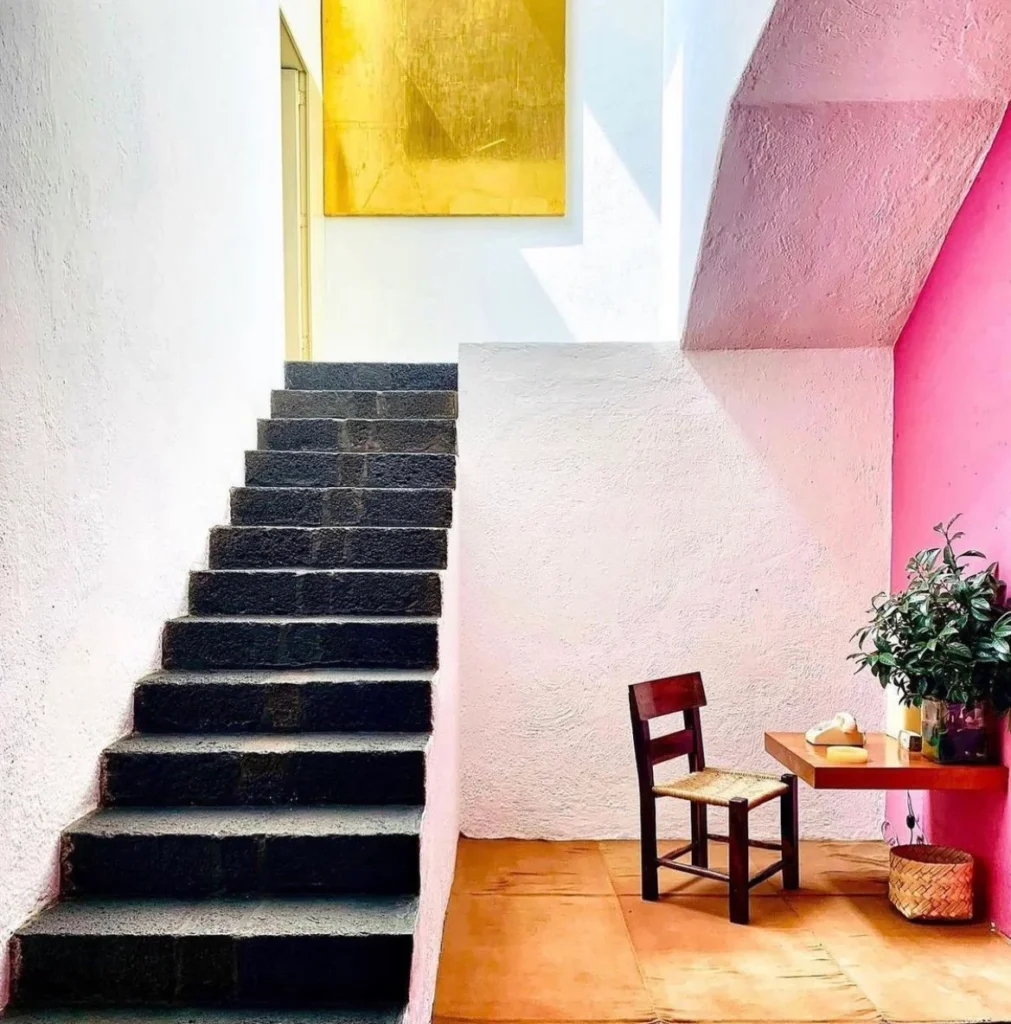
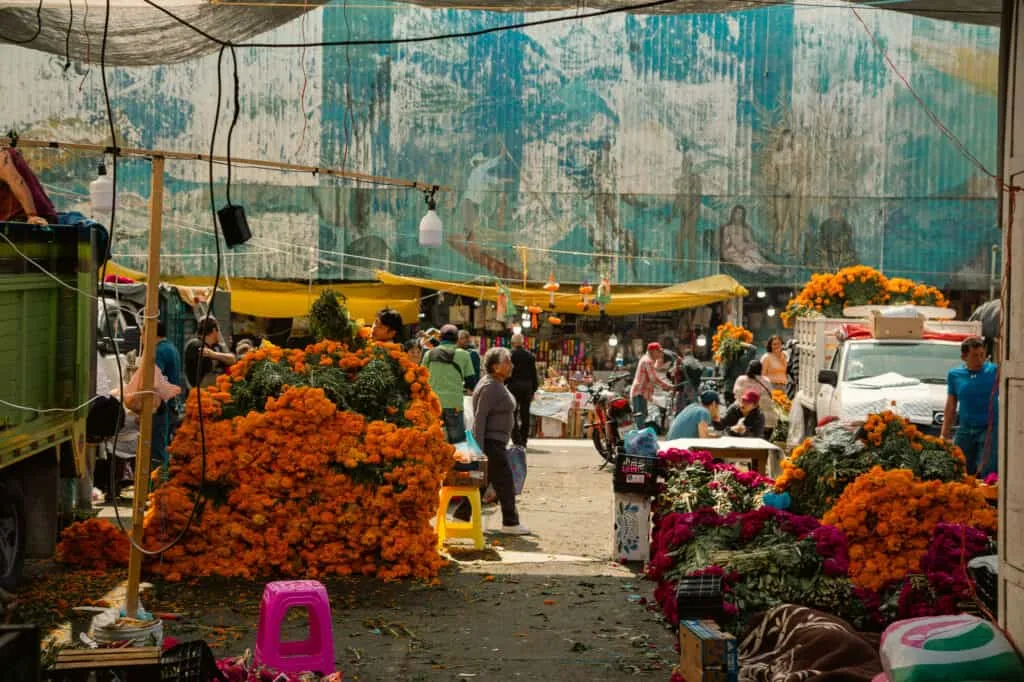
Mexico City is far more fun with kids than parents might expect. It is big, colourful, and chaotic, but also surprisingly family-friendly, with leafy parks, excellent museums and plenty of ways to bring Mexico’s history and culture to life. We would usually spend at least a few days here, either at the beginning of a longer trip or as a destination in its own right.
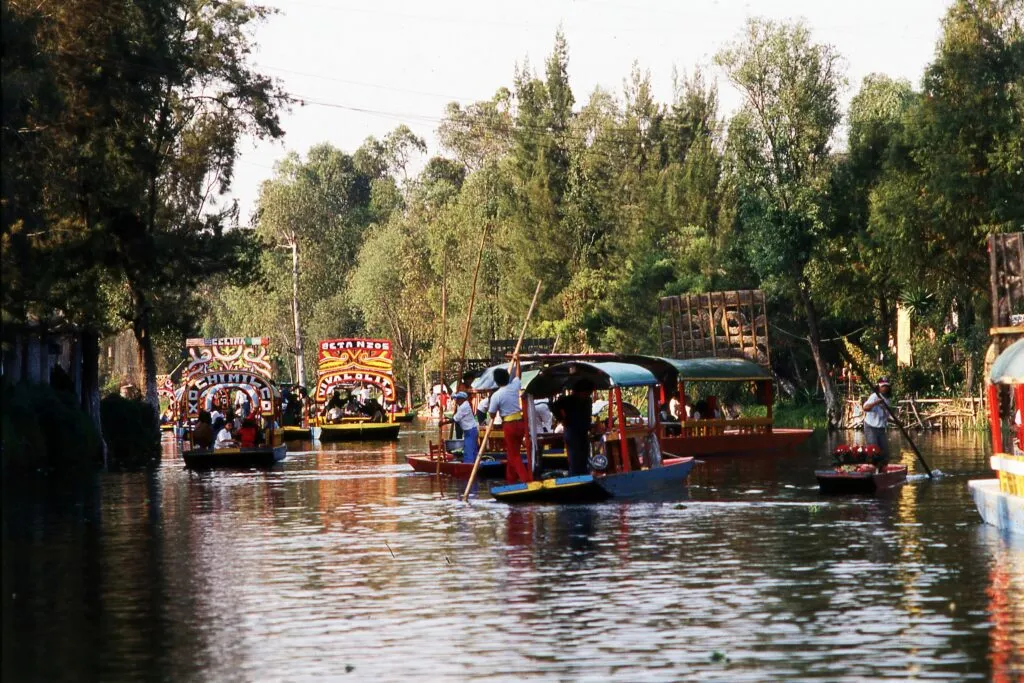
Food is a great way into the city. Spend a morning exploring the Centro Histórico with a local guide, stopping at markets, bakeries and street stalls for tacos, chilaquiles, churros and Mexican sweets. At Xochimilco, jump into a trajinera (traditional, colorful flat-bottomed wooden boat) and float along the ancient canals, past floating gardens and other boats laden with food, flowers and mariachi bands.
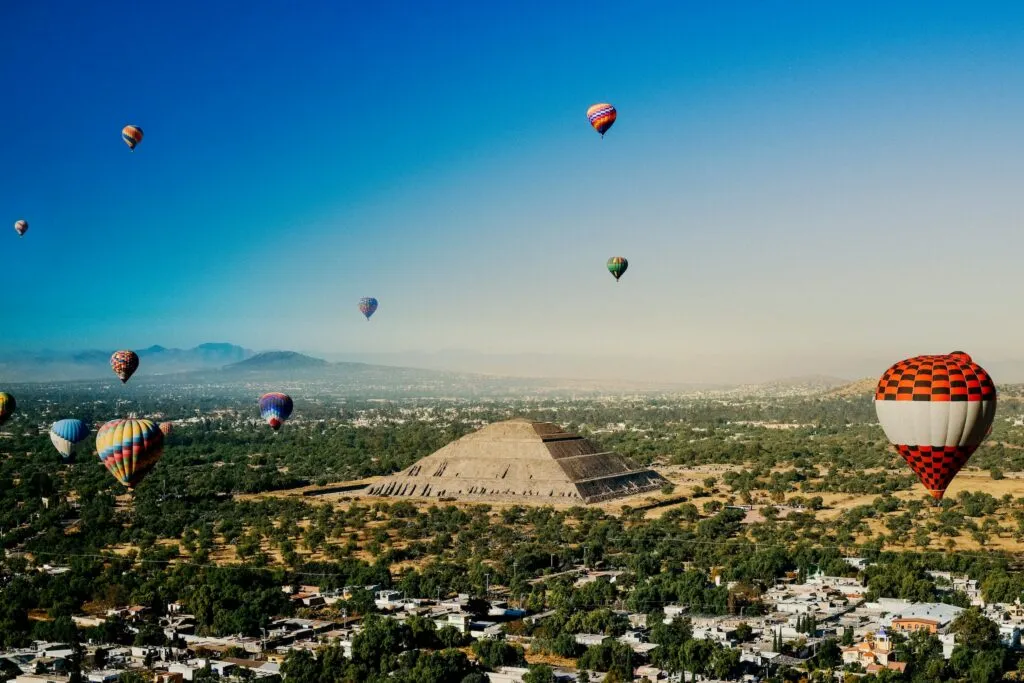
For history, don’t try to see everything. The Museo Nacional de Antropología is enormous, so with children we’d focus on a handful of galleries with a private guide who can bring the Aztec and Maya worlds to life. We can arrange private after-hours visits, when the crowds have gone and you have one of Mexico’s great museums almost to yourselves. Another day, head out of the city to the majestic pyramids of Teotihuacán – best seen from a hot-air balloon flight at sunrise.
And for something completely different, take the kids to see lucha libre at the Arena Mexico. Loud, theatrical and enormous fun, watch the masked luchadores (wrestlers) battle it out with high flying jumps and acrobatics, playing shamelessly to the crowd.
Our favourite neighbourhoods are Condesa, Roma Norte or Polanco, which offer a break from the intensity of the city, with great parks, cafés and restaurants close by. Take an apartment at Campos Polanco, with space to spread out and a kitchen for nights when no one fancies eating out again.
Oaxaca
Oaxaca works wonderfully for families who travel for food, craft and culture, with mountains, villages and the Pacific coast all within reach. It is one of Mexico’s great food cities, with excellent restaurants as well as markets piled with chillies, chocolate, fruit, cheeses and tortillas. Grana, a small, family-friendly B&B in an old Oaxacan house in the historic centre, puts you within walking distance of the best of it.
Outside the city, the surrounding valleys are dotted with Zapotec towns and villages, many with craft traditions passed down through generations. In Teotitlán del Valle, visit a family of weavers and have a go at preparing natural dyes – from cochineal, indigo and moss – before watching the wool worked on a traditional wooden loom. In San Martín Tilcajete, meet a local artist who makes vivid wooden alebrijes – fantastical folk art carvings – then choose one to paint yourself.
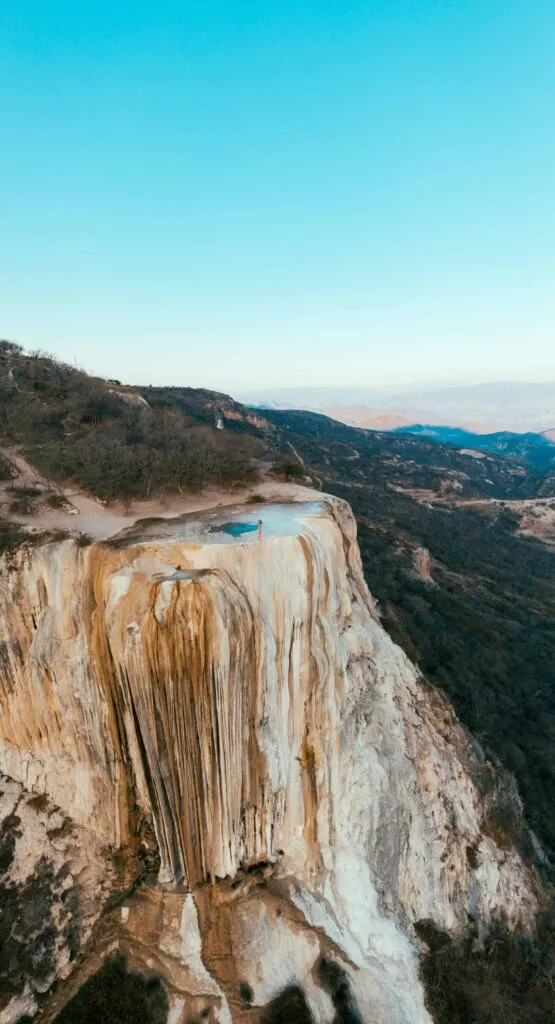
Allow another morning for Monte Albán, the ancient Zapotec city built on a flattened mountaintop above Oaxaca, and for Hierve el Agua, where mineral springs have created huge white calcified formations resembling waterfalls on the mountainside, with natural pools and views across the valleys.
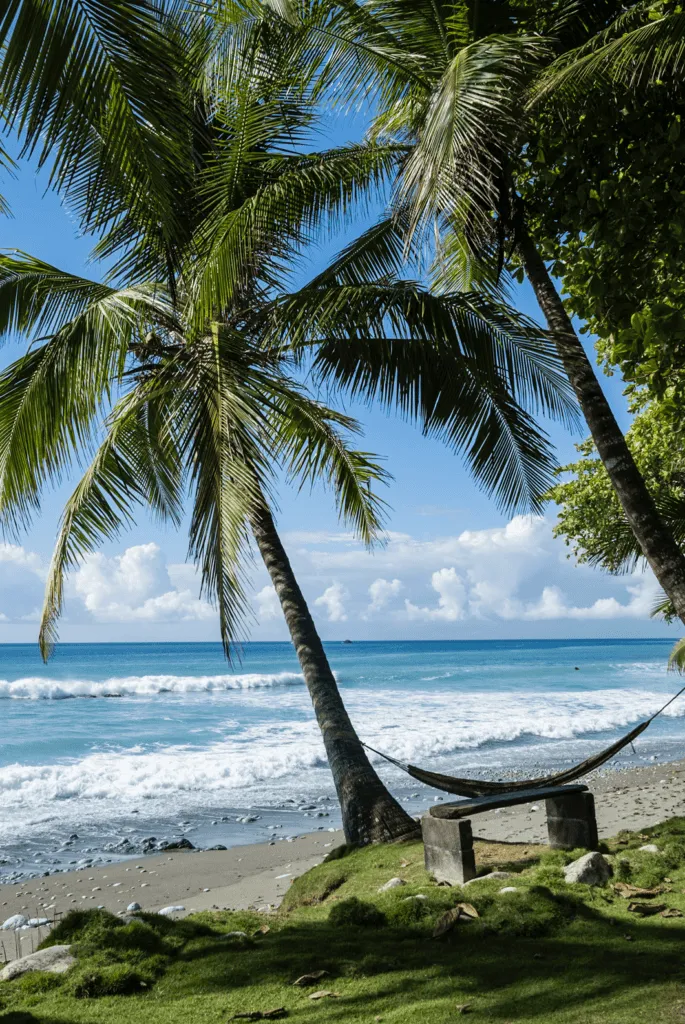
After a few days in and around Oaxaca City, drive through the mountains to the Pacific. The coast here feels hotter, wilder and less manicured than the Caribbean side, with small fishing villages, surf beaches, and a much more powerful ocean. With younger kids, we like San Agustinillo, which has just one main street and calmer seas, making it more manageable for swimming and first surf lessons than some of the famous spots along the coast. Stay in the family bungalows at Casa Yute – or rent a private house with a cook and housekeeping. Nearby yoga-chic Mazunte has more restaurants and shops, a turtle centre, and wonderful sunsets from Punta Cometa. Families with older children looking for more energy – and serious surfing – may prefer Puerto Escondido.
Colima and the Central Pacific Coast
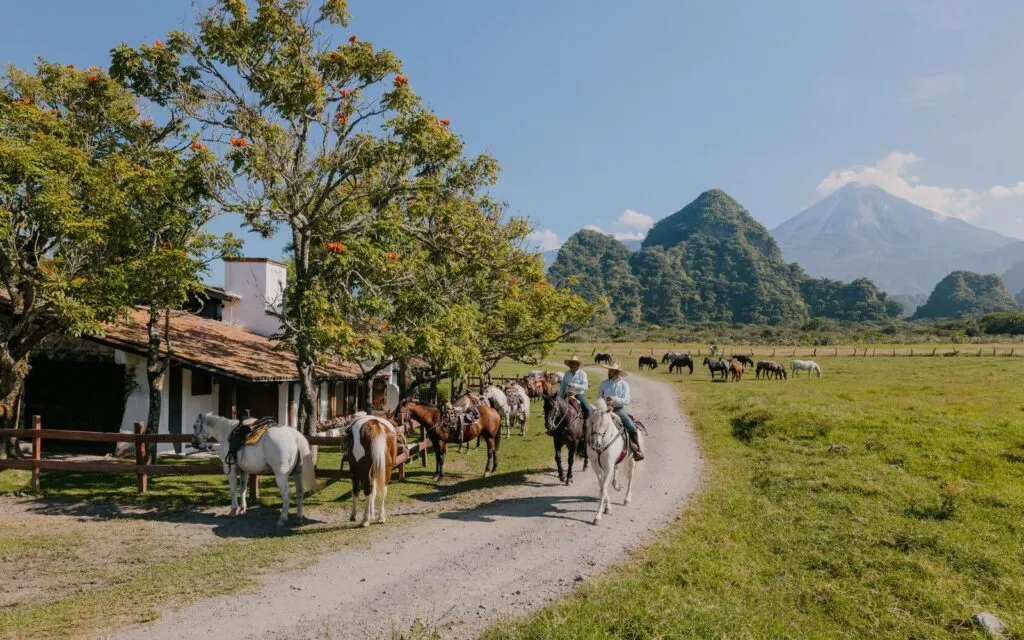
For families who would rather spend their days outdoors than sightseeing, this is one of our favourite combinations: start in the green foothills of the Volcán de Colima, among coffee plantations, farmland and cattle ranches, then cross the mountains to a wild and little-developed part of the Pacific coast.
Hacienda de San Antonio is a former coffee estate surrounded by gardens, farmland and a working ranch. Days here are largely spent outside: ride horses across the estate, hike and mountain bike in the foothills of the volcano, explore the farm and gardens, and cool off in the pool afterwards. Much of the food served is grown or produced on the estate, and kids can wander through the vegetable gardens and meet the animals.
From here, head west through the mountains to Costalegre for thick tropical forest, rocky headlands, lagoons and long, empty beaches. Las Alamandas is a wonderfully eccentric little hotel set within more than 2,000 acres of private nature reserve, with 18 suites in colourful Mexican-style villas.
Ride horses along long empty beaches, borrow mountain bikes and explore the trails, kayak, fish, or head out by boat with a guide to look for birds, dolphins and whales. Turtle releases occasionally take place on the beach. The Pacific here can be powerful, so this isn’t the place to choose if calm sea swimming is the priority. But for families who want space, nature and plenty to do, it’s hard to beat.
Baja California Sur
Baja California Sur is best for adventurous families with older children and teenagers. Long, dry and sparsely populated for the most part, the peninsula has the Pacific on one side and the Sea of Cortez on the other – with extraordinary marine life just offshore and desert, mountains and enormous cardón cacti inland.
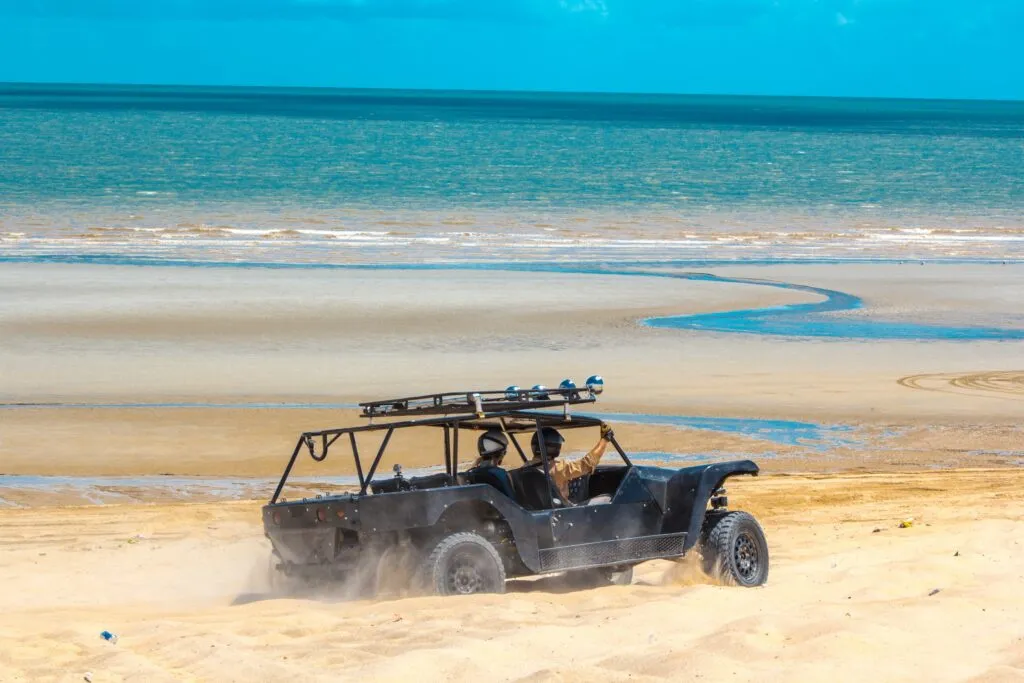
Avoid the resorts around Cabo and it makes for a brilliant road trip. Drive through the desert on long, empty roads, stopping in small towns and dusty villages along the way. Hike and mountain bike among the cacti, head into the dunes by buggy, try pottery with a local ceramicist, and stargaze with an Aztec constellation guide.
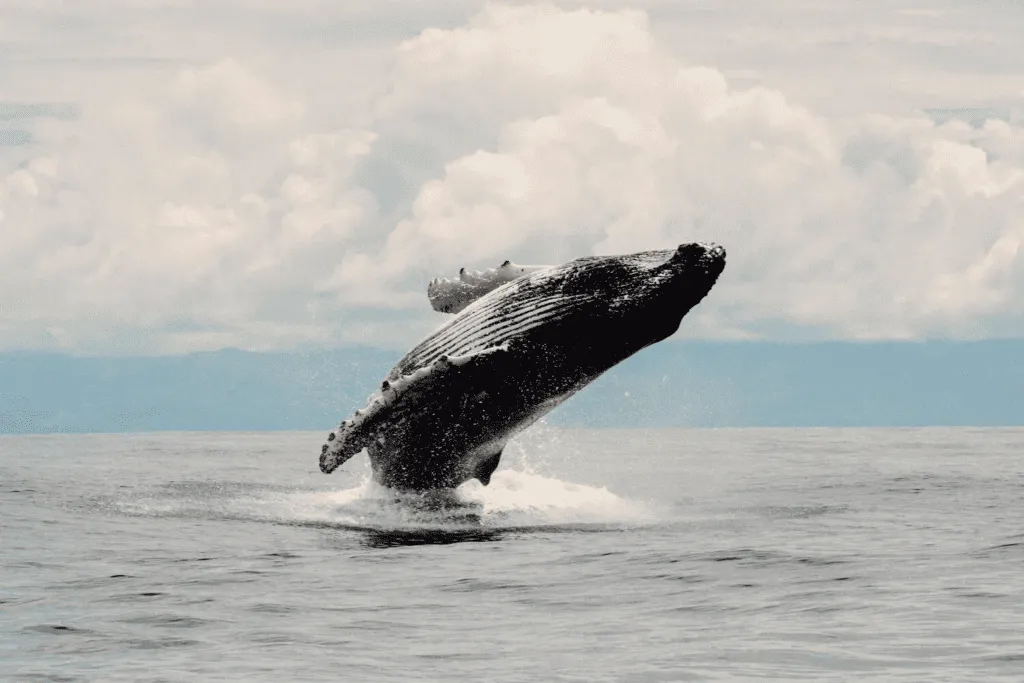
Along the coast are fishing towns, rocky coves, long stretches of beach, and turquoise waters teeming with marine life. The Sea of Cortez, famously described by Jacques Cousteau as ‘the world’s aquarium’, is home to whales, whale sharks, sea turtles, manta rays and huge shoals of fish. Charter a boat to Isla Espíritu Santo to snorkel with sea lions, explore deserted coves and hike among volcanic cliffs and towering cacti, or spend a few nights camping on the island for a proper wilderness adventure. You might even charter a liveaboard boat for a few days and make the sea itself your base.
-
What age should kids be to travel to Mexico?
Mexico can be brilliant at any age, but the trip will change with the children. Age matters, but so do their interests: a budding archaeologist may happily spend hours exploring Maya ruins, while another child would rather be in the water or on horseback.
With children under ten, less is usually more. We like to stick to one or two bases and keep travel to a minimum – for example, a hacienda followed by a few days on the beach. Wildlife trips, hands-on craft and cooking workshops, and plenty of time for swimming all work well. A good private guide can make all the difference, bringing the history and mythology to life without overloading them.
From around ten onwards, you can be more ambitious, combining city, countryside and coast. Children are old enough to confidently kayak, ride, surf and take part in experiences such as shark tagging or turtle research. With teenagers, Baja and the more active trips really come into their own.
-
When is the best time to visit Mexico with kids?
November to April is generally the best time to visit Mexico, with drier weather and warm days across much of the country, although it varies by region. The Yucatán is most comfortable from November to February; it stays largely dry into April, but gets much hotter from March. Winter and early spring are excellent in Baja, particularly for whales and other marine life, and Mexico City is mild year-round thanks to its altitude.
If you’re tied to school holidays, February half-term is particularly good for whale watching in Baja, while Christmas, spring break and Easter all work well for the Yucatán, Oaxaca, Mexico City and the Pacific coast. Christmas and Easter are popular, so boutique hotels and villas book up early.
July and August are trickier: the Yucatán is hot and humid, much of central and southern Mexico is in its rainy season, and hurricane season affects both coasts. October half-term can work well in Mexico City and the central highlands, but elsewhere we prefer November onwards for more reliable weather.
-
How long should families allow for a trip?
With a week, stick to one region, such as the Yucatán. With ten days, you can combine a couple of bases – for example, Mexico City and Oaxaca – or spend longer exploring one in depth.
With two weeks or more, you can be more ambitious: Mexico City followed by Oaxaca and the Pacific coast makes a brilliant trip, as does a road trip through Baja California Sur. Mexico is enormous and internal travel times can be long, so we’d still resist trying to see too much. Where you’re flying from, the ages and interests of your children and what you most want to do will all shape the route; it’s usually better to explore two or three places properly than spend your trip rushing between them.
-
Is Mexico safe to travel with kids?
Our team has lived in and travelled around Mexico extensively over the years, including with our own families, so we know the places we’d happily send families – as well as those that are best avoided.
The important thing is travelling with people who know the country well. We work with trusted guides, drivers and local partners, many of whom we’ve known for years, and keep a close eye on local conditions when planning every trip. Each of our travellers also has a dedicated concierge available around the clock before and throughout their trip, overseeing the logistics and on hand to help with anything that comes up.
-
Any top tips for parents considering a trip?
Get the kids interested before you go. Read stories and watch films about the Maya and Aztecs, try some Mexican cooking together at home, or put together a playlist for the journey.
Learning a few words of Spanish beforehand can make a real difference, helping children engage and giving them the confidence to try out new phrases with the people they meet.
Once you’re there, don’t try to do everything: one brilliant archaeological site with a great guide is better than dragging children around three, and some of the best days are often the simplest.
CONTACT US
Tailor-made trips to Latin America and Antarctica, designed by specialists with twenty years of experience.

Conde Nast Traveler Specialists every year since 2017
Looking for more inspiration?
A Journey Through Mexico with Hattie Mills
The Financial Times: A Deep Dive into the Yucatán
Mexico’s Greatest Wildlife Experiences