

Argentina’s wine country follows the Andes north from Mendoza, through some of the country’s most beautiful and remote landscapes.
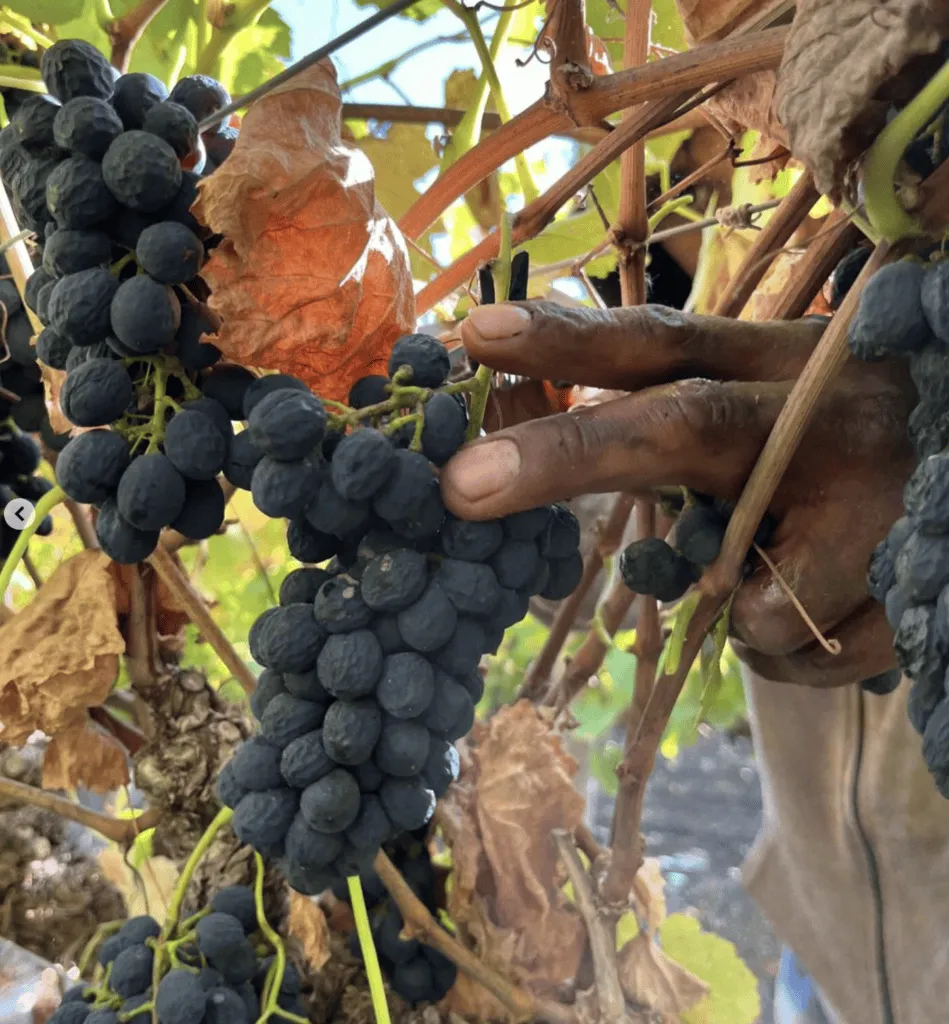
Along the eastern slopes of the Andes, wine is made in an extraordinary range of landscapes, from the irrigated green vineyards around Mendoza to the cactus and red rock of the Calchaquí Valleys. Centuries-old vines and traditional family-run bodegas sit alongside a new generation of winemakers exploring different altitudes, soils and grape varieties. There are some excellent places to stay, too, from contemporary wine lodges to small guesthouses in remote valleys.
Mendoza is still the heart of the country’s wine industry, but travelling further reveals a much broader picture of Argentine wine — and parts of the country that receive surprisingly few visitors. From the old vineyards of Luján de Cuyo to the high desert of the northwest, these are four of our favourite regions, and the wineries and places to stay worth knowing about.

Luján de Cuyo, Mendoza
Just south of Mendoza city, Luján de Cuyo is the historic heartland of Argentine Malbec. Vineyards spread between small towns such as Chacras de Coria, Vistalba and Agrelo, watered by an irrigation system first developed by the Indigenous Huarpes and fed by snowmelt from the Andes. Some of Mendoza’s oldest Malbec vines are found here, but don’t overlook the Cabernet Sauvignon, Bonarda and increasingly good Cabernet Franc.
Carmelo Patti has been making wine in Mendoza for decades and still receives visitors at his small working cellar in Mayor Drummond, releasing his reds only when he thinks they are ready, often several years after harvest. Catena Zapata in Agrelo is larger and more polished, but worth visiting for its pioneering work with high-altitude vineyards; the Catena Institute has been studying the soils and microorganisms of its Adrianna vineyard in Gualtallary since the 1990s. For lunch, Casa Vigil in Chachingo pairs Alejandro Vigil’s El Enemigo wines with a Michelin-starred menu.
Stay at Susana Balbo Winemaker’s House & Spa – once the home of Argentina’s trailblazing first professional female winemaker (known as the ‘Queen of Torrontés’), now a seven-suite boutique hotel that feels like staying at a rich aunt’s house, with a strong focus on food and wine. Further south among the vineyards of Agrelo, Awasi Mendoza (formerly Cavas Wine Lodge) is a favourite; each villa comes with its own guide and vehicle for exploring the surrounding wineries.
Uco Valley, Mendoza
Around 90 minutes south of Mendoza city, the Uco Valley sits higher and closer to the Andes, with vineyards spread across Tupungato, Tunuyán and San Carlos. The wines can change considerably within relatively short distances here due to changes in altitude and soil. Malbec still dominates, but some excellent Chardonnay and Cabernet Franc now come from the cooler, higher vineyards around Tupungato.
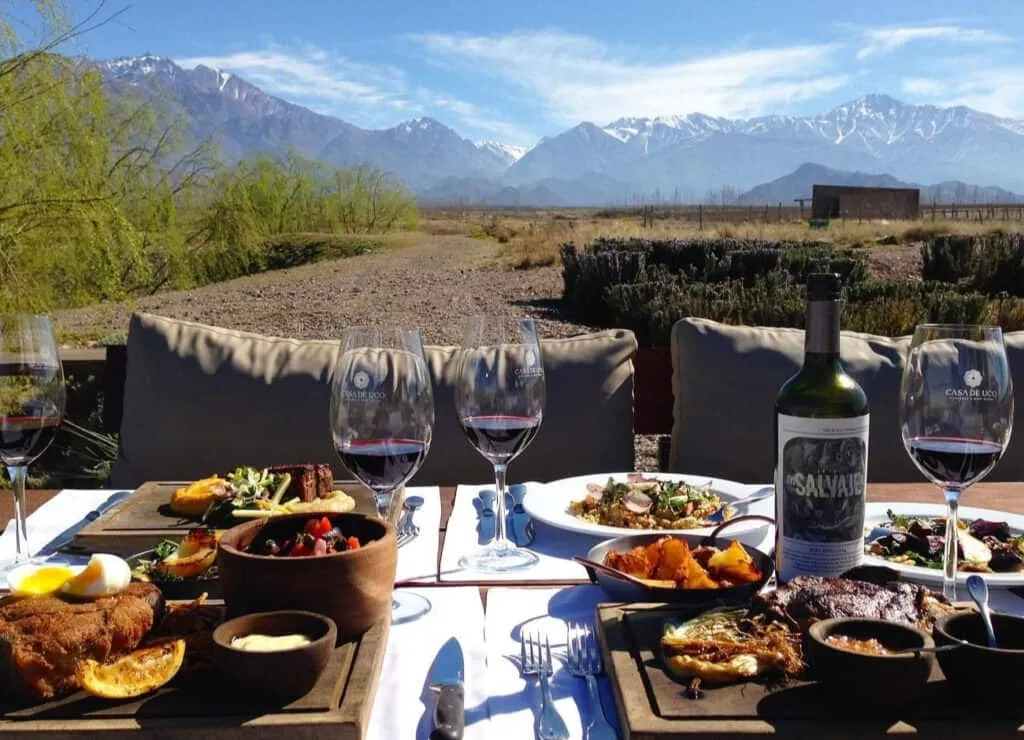
In Los Chacayes, Casa de Uco is our favourite place to stay, set on a 320-hectare estate with its own vineyards and winery. There are horses for riding through the vineyards, bikes to borrow and a pool overlooking the Andes.
Nearby, Salentein is worth visiting for both the winery and Killka, its collection of contemporary Argentine and Dutch art. The winery itself is built largely underground, around a circular central chamber. For smaller producers, we like Matervini, Santiago Achával and Roberto Cipresso’s project exploring Malbec from different soils and origins; in Gualtallary, look out for PerSe, a tiny project making some of the valley’s most interesting Malbec from the chalky soils of Monasterio.
Salta and the Calchaquí Valleys
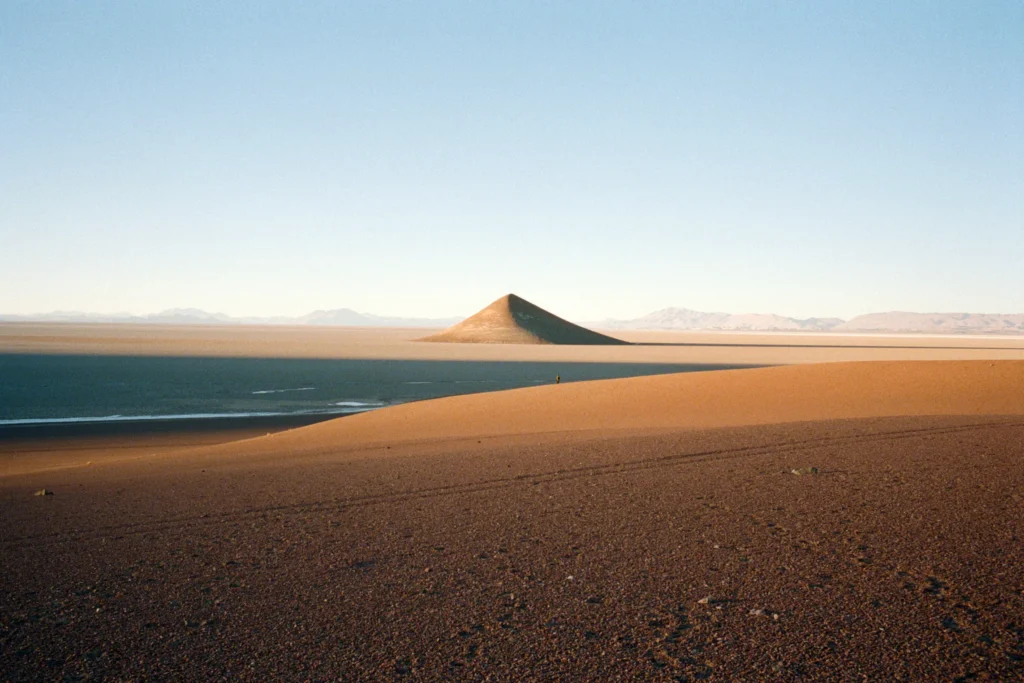
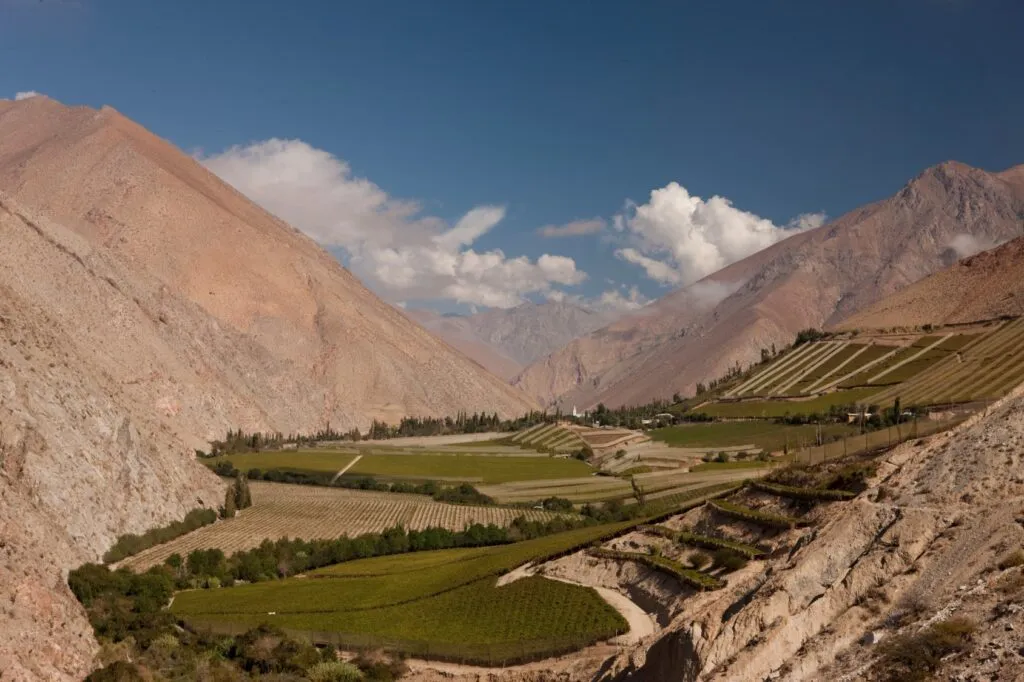
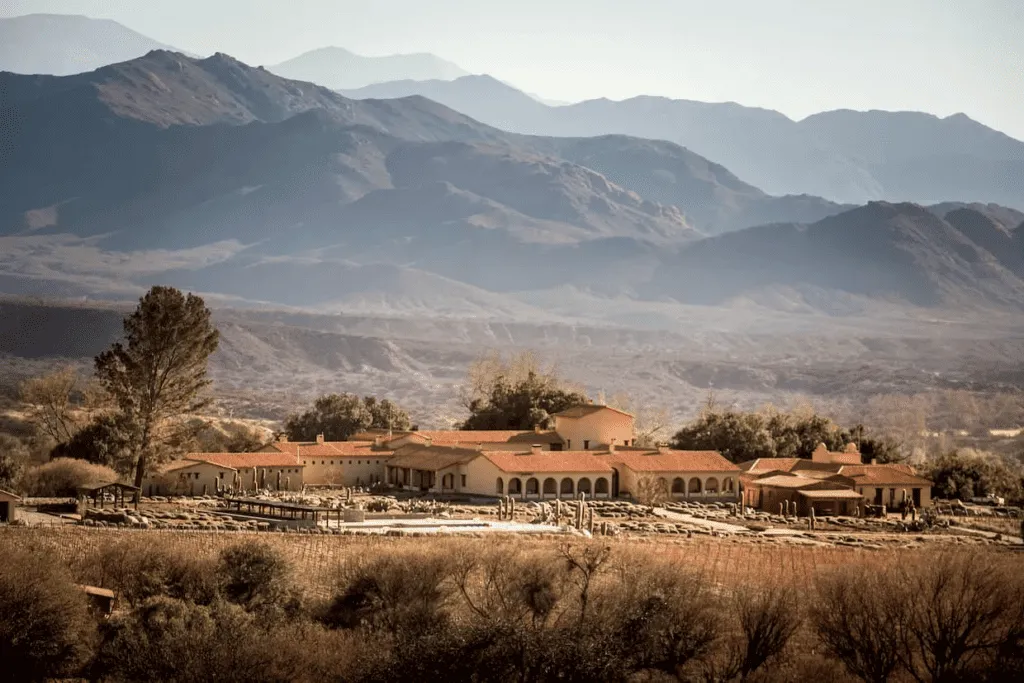
In the far northwest, Salta’s wine country runs through the Calchaquí Valleys, a high desert of cactus, red rock and adobe villages where vineyards are planted at some of the highest elevations in the world. The local grape is Torrontés Riojano, an intensely aromatic white with notes of jasmine, citrus and stone fruit.
Cafayate is the region’s wine hub, but some of the most interesting estates lie well beyond town. Estancia Colomé, near Molinos, is a highlight. Colomé has been producing wine since 1831, making it Argentina’s oldest continuously operating winery; its vineyards range from around 2,300 to more than 3,000 metres above sea level, including some of the highest in the world. The estancia has just nine rooms, with riding, walking and tastings on the estate. There’s also an exceptional James Turrell Museum, dedicated to the American artist’s work with light and space.
Further south in Cafayate, Patios de Cafayate hotel, set within the El Esteco estate, makes a good base for exploring the surrounding region. Pop into nearby Tacuil, a tiny high-altitude producer near Molinos, and San Pedro de Yacochuya, in the hills above Cafayate.

La Rioja & San Juan
North of Mendoza, San Juan and La Rioja are much less visited. Home to high-altitude vineyards in desert valleys beneath the mountains, the distances make this good road trip country. In San Juan’s Calingasta Valley, the small town of Barreal sits beneath the 6,000-metre peaks of the Andes. Stay just outside town at Paso de los Patos, a small, relaxed posada with wide mountain views; nearby, Cara Sur works with old Criolla vines planted at around 1,500 metres, producing fresh, light-footed wines with native yeasts and minimal intervention.
Further east, Pedernal Valley is very different, with vineyards planted at around 1,400 metres in flinty, limestone-rich soils. Pyros is one of the producers to know here, particularly for its single-vineyard Malbec. Continue north towards Ischigualasto Provincial Park, where pale sandstone formations and Triassic fossils break up the journey before crossing into La Rioja.
Beyond Chilecito, the road climbs into the Famatina mountains to Chañarmuyo, where vines grow at around 1,700 metres in stony soils watered by Andean snowmelt. The estate’s small guesthouse is one of our favourite places to stay in the region, surrounded by vineyards with a pool facing the mountains. Dinner is simple Argentine home cooking, often served outside beneath an old carob tree. Try the Tannat while you’re here.
—
We’ve been arranging private wine travel to Argentina for over twenty years. Whether you want to focus on wine or combine a few tastings with time exploring, we’ll shape the journey around your interests and pace, and can pair wine country with Buenos Aires, Patagonia or elsewhere in Argentina. Speak to our specialists to start planning.
CONTACT US
Private journeys to Latin America and Antarctica, designed by specialists.

Conde Nast Traveler Specialists every year since 2017