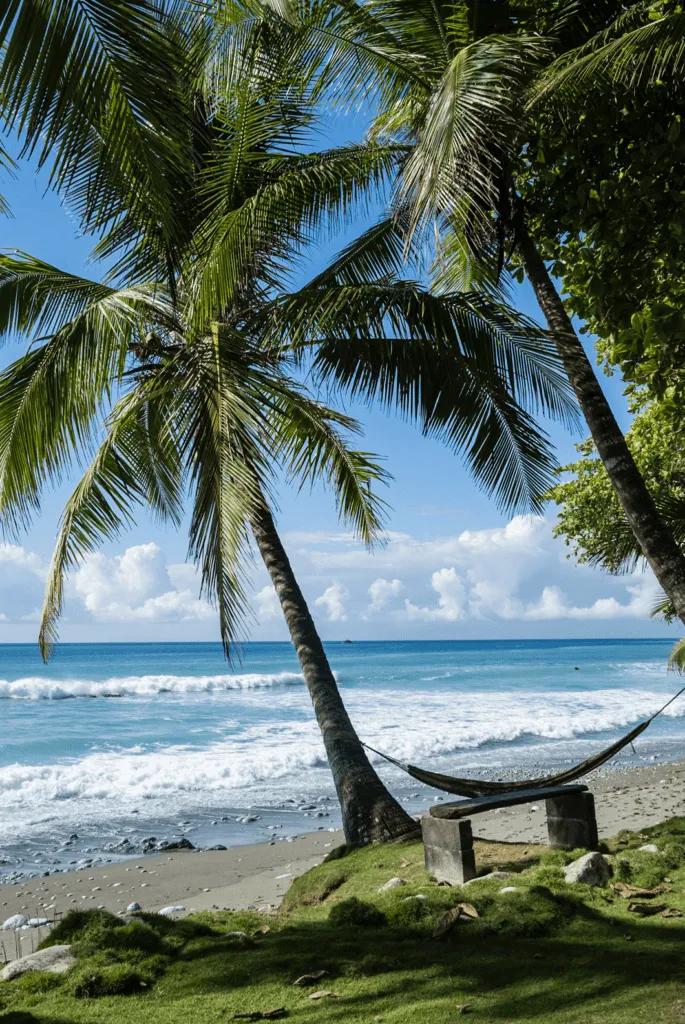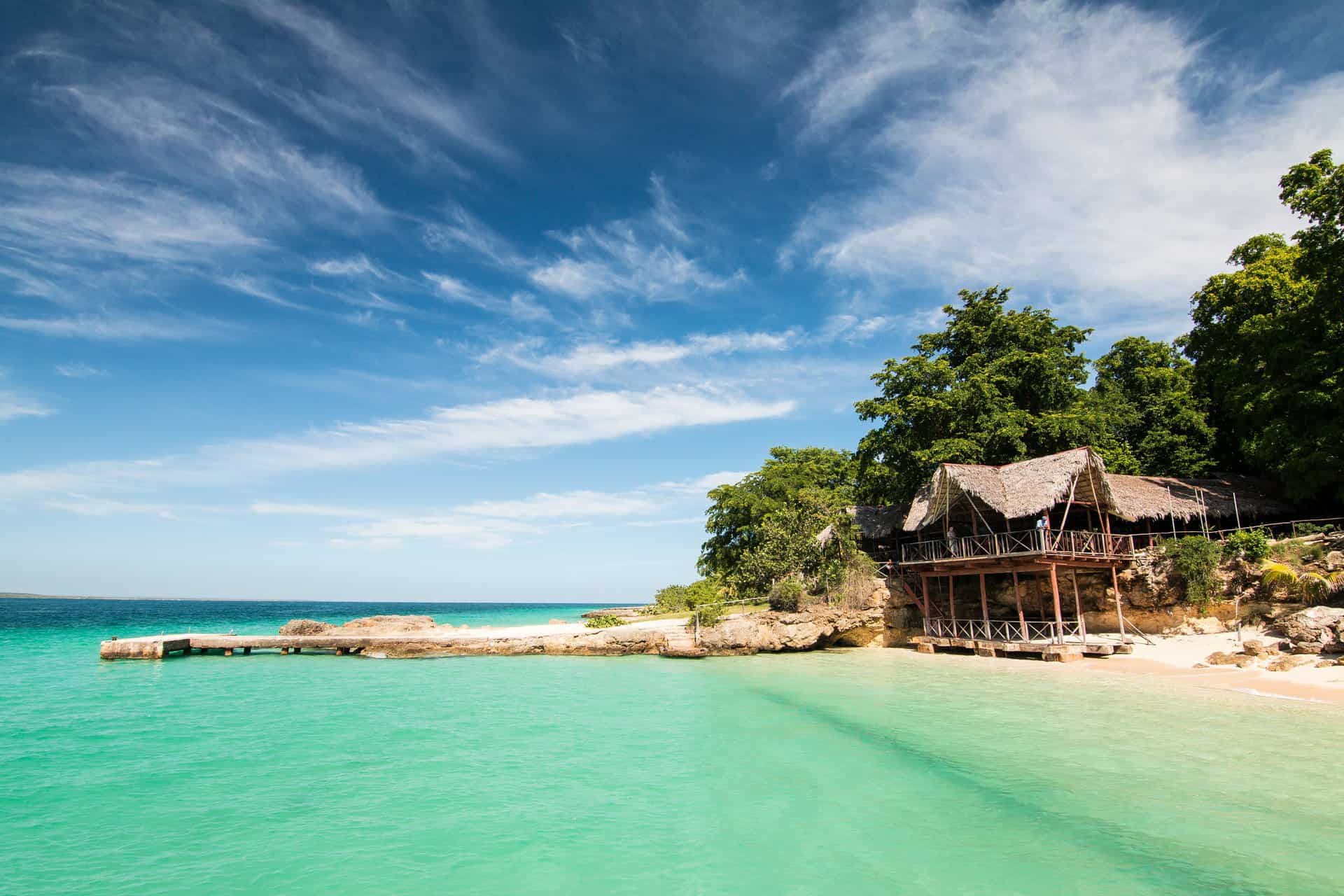

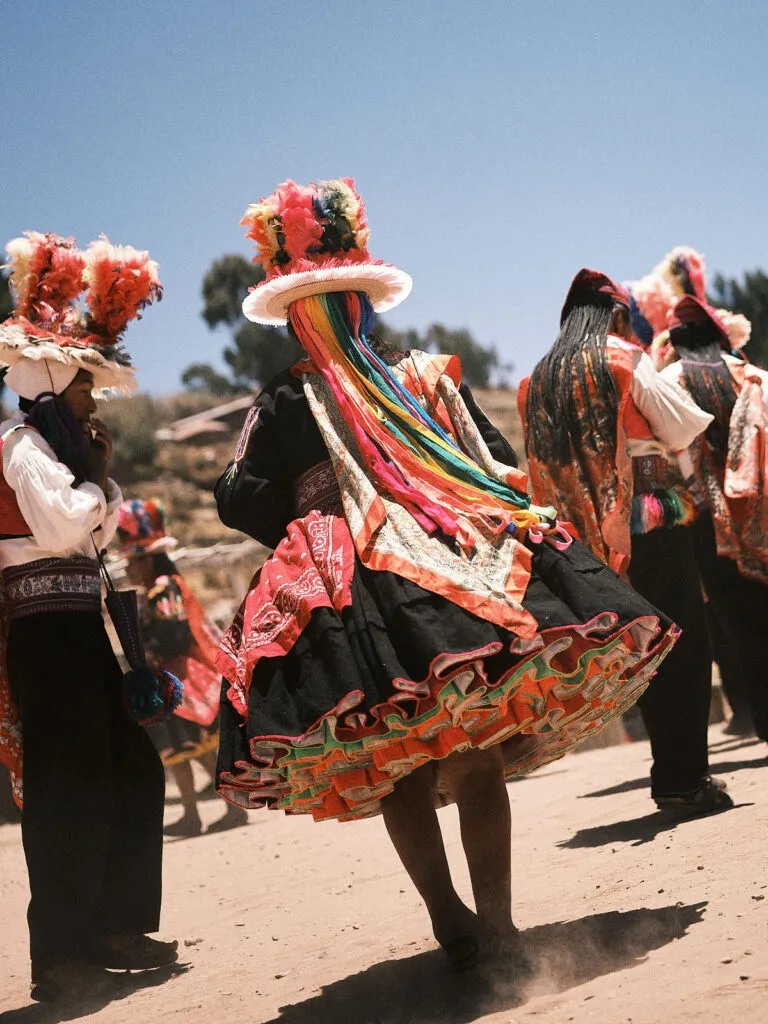
From an ambitious new art museum in the Brazilian countryside to a micro-expedition yacht bound for Antarctica, there’s plenty to look forward to in 2027.
This year’s round-up brings together familiar favourites like Mexico City and Torres del Paine, where new openings and experiences are giving us fresh reasons to return, as well as discoveries from our travels over the past year – from the cloud forests and ancient ruins of northern Peru to the artists’ villages along Brazil’s São Francisco River.
For those wondering where to go in Latin America in 2027, these are the twelve destinations we’d put at the top of our list.

1. Lençóis Maranhenses and the Emotions Route, Brazil
The Rota das Emoções, or Route of Emotions, follows the northeastern coast through Maranhão, Piauí and Ceará, crossing immense sand dunes, mangrove-lined rivers and small fishing villages. Best tackled over 10 to 14 days by 4×4 and boat, its highlight is Lençóis Maranhenses National Park, where seasonal rains fill thousands of freshwater lagoons between white dunes from June to September.
On the edge of the park, OIA’s eight-suite house in Santo Amaro has been a favourite base for exploring the dunes since opening in 2023, with interiors by Brazilian designer Marina Linhares and access to some of the park’s most remote lagoons. The collection has since expanded to Atins, with a six-suite pop-up between the dunes and the Atlantic, and Barra dos Remédios in Ceará, where the seven-suite Casa Daia opened in June 2026 – giving travellers beautifully designed places to stay at each step of the journey.
Further east along the route, Ilha do Caju opens in June 2027, offering the chance to take over an entire 10,000-hectare private island in the Parnaíba Delta. Created by the couple behind kitesurfing retreat Casana on Praia do Preá, it will have eight bedrooms across three cottages, sleeping up to 16. Explore the dunes by buggy, kitesurf along deserted beaches, kayak through mangroves where capybaras and caimans roam, and head out with the resident biologist to watch scarlet ibis gather in brilliant red flocks at dusk.
Take me to Lençois Maranhenses
2. Lake Titicaca, Peru
Almost 4,000 metres above sea level, Lake Titicaca stretches across the Peruvian and Bolivian Andes, its deep blue waters dotted with islands and lakeside communities – among the best known are the Uros, whose floating islands are constructed from totora reeds. Come autumn 2027, Andean – the brilliant minds behind some of Peru’s most creative stays – will open a new adults-only retreat on Isla Suasi, a 100-acre private island on the northeastern side of the lake.
Guests will be able to explore the island on foot, following trails to secluded beaches and viewpoints, spotting native birds and wildflowers along the way. Food will be rooted in local, seasonal produce, and the property will run on clean energy. It promises a restorative finale to a journey through southern Peru, whether after hiking in the Sacred Valley and visiting Machu Picchu, or travelling overland from Arequipa through the Colca Valley and Tinajani Canyon.
For those who prefer to stay on the mainland, there’s Andean’s original lakeside lodge, Titilaka. Lake Titicaca can also be visited aboard Belmond’s Andean Explorer sleeper train, which crosses the high Andean plateau between Cusco, Puno and Arequipa, or from the Bolivian side.
Explore Lake Titicaca3. Minas Gerais, Brazil
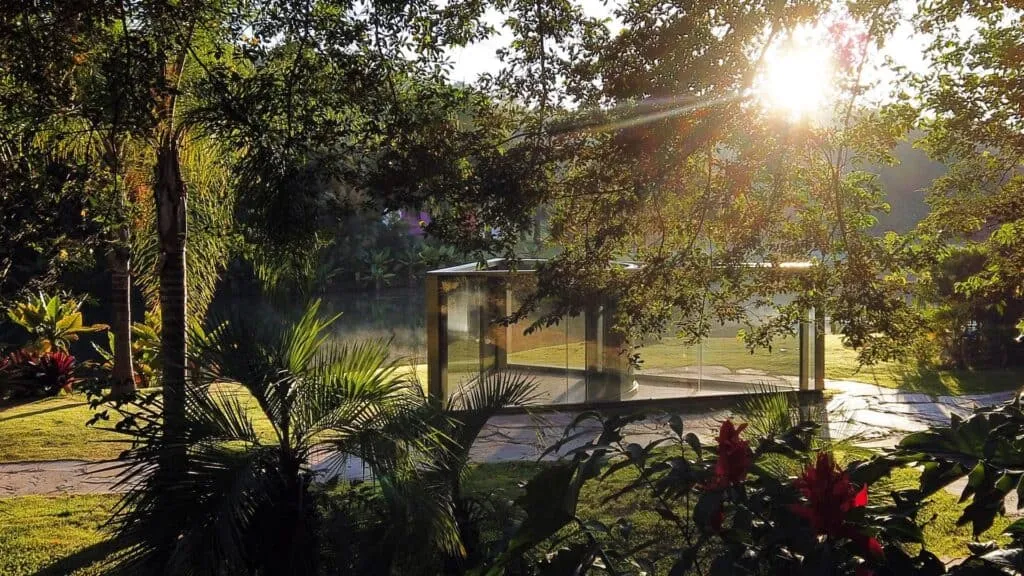
Twenty years after opening Inhotim, the extraordinary contemporary art museum and botanical garden outside Belo Horizonte, Brazilian collector Bernardo Paz is planning an equally ambitious second act. Museu Bernardo Paz is taking shape on a 311-acre site next door, with its first pavilions scheduled to open in September 2027.
The museum is eventually planned to house as many as 40 pavilions displaying works from Paz’s collection of some 3,000 pieces, alongside new commissions. The first phase will include installations by American land artist Michael Heizer and Brazilian artists Anna Maria Maiolino and Sonia Gomes, with further spaces dedicated to Pedro Moraleida, Sandra Gamarra and Laura Belém. Like at Inhotim, the idea is to encounter contemporary art across a vast botanical landscape rather than within a gallery.
Besides its museums, Minas Gerais also makes for one of Brazil’s great road trips. Stop at Ouro Preto, with its lavish baroque churches and the work of sculptor Aleijadinho, and Tiradentes, home to beautifully preserved colonial houses, artisan workshops and a fantastic food scene. Extend the journey into the mountains to Ibiti, an ambitious conservation and hospitality project with restored historic buildings, waterfalls, hiking trails, contemporary art, and some of the best food we’ve eaten in Brazil.
4. Antarctica
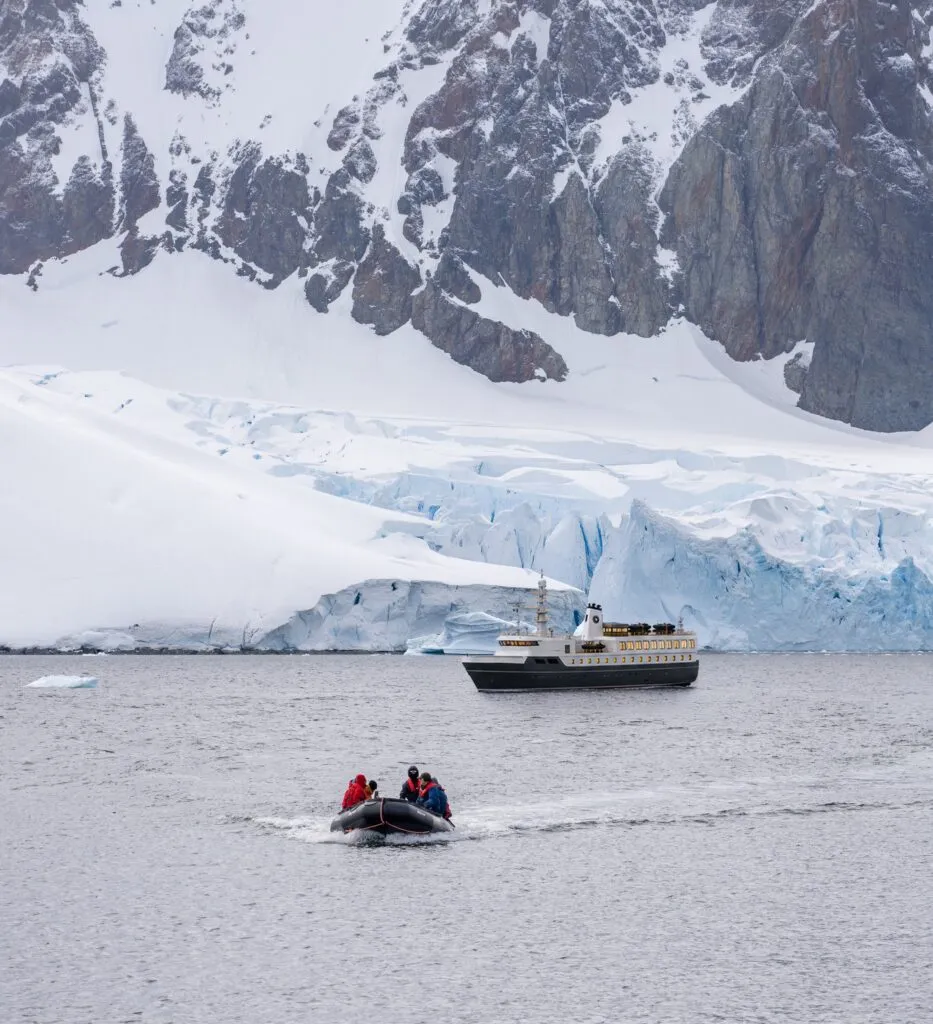
Antarctic expedition cruising is getting smaller. In late 2027, Secret Atlas, a specialist in micro-expeditions to the polar regions, will launch M/V Aureum, a new expedition yacht carrying just 36 passengers – half the capacity of the next smallest scheduled expedition vessel in Antarctica. Voyages will explore the Antarctic Peninsula, with some itineraries venturing south towards the Antarctic Circle or taking in South Georgia and the Falkland Islands.
On board, expect a sociable, almost private-yacht atmosphere. Its size means much greater flexibility for Zodiac excursions and shore landings as all passengers can go ashore together, with less time waiting and more time exploring with the guides. There’s an excellent 1:6 guide to guest ratio, and solo travellers are unusually well catered for, with eight dedicated single cabins.
Fly-cruise departures from Chile’s Puerto Natales will allow travellers to bypass the notoriously unpredictable Drake Passage, avoiding the two-day sea crossing in each direction. The departur point makes it easy to combine Antarctica with a few days in Torres del Paine National Park, or a longer journey through Patagonia.
Discover Aureum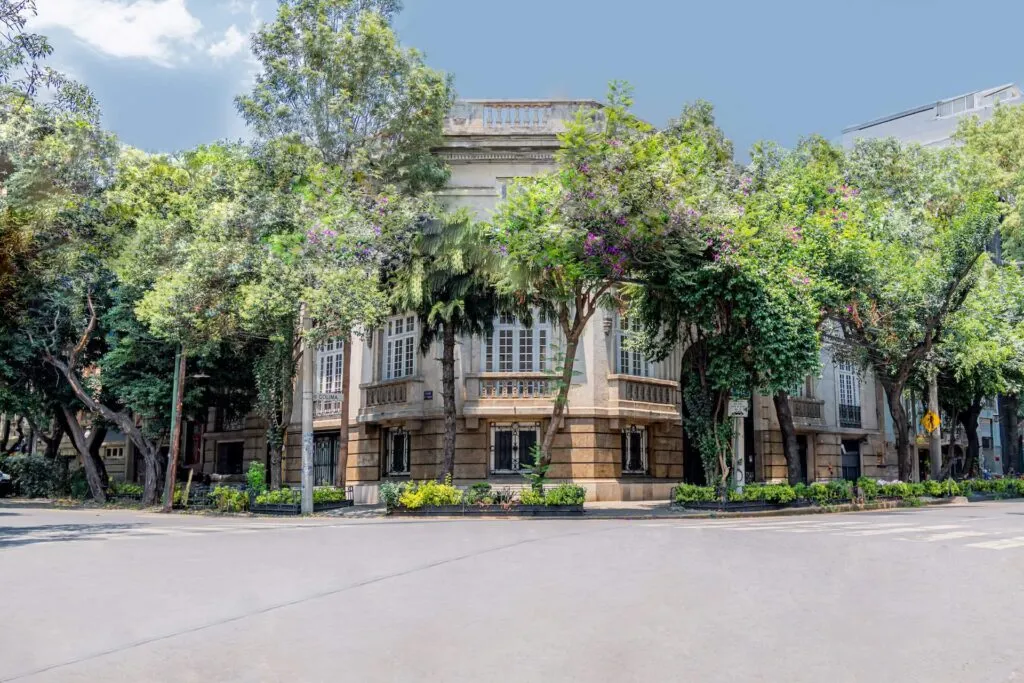
5. Mexico City
The Mexican capital’s hotel scene is having something of a moment, with a wave of intimate, design-led properties opening in restored historic buildings. El Cortés, which opened in Roma Norte in June, occupies a 1915 Art Nouveau mansion once used as a presidential residence. Owner Carlos Zaragoza spent three years restoring its ornate plasterwork and stained glass, filling the 15 rooms with antiques and contemporary Mexican art. Downstairs, Swiss chef Luc Liebster’s restaurant, Lotti, brings European influences to Mexican ingredients. Nearby Sara y Julieta, which opened in November, occupies two restored houses and offers fascinating walking routes through Roma’s literary and artistic past: from the former home of surrealist Leonora Carrington to the haunts of William S. Burroughs and galleries including OMR and Kurimanzutto.
For a few days outside the capital, head south to Tepoztlán, a mountain town beneath the cliffs of the Tepozteco range. Stay at Casa Fernanda, a small, art-filled hotel within walking distance of the market, where mornings can begin with freshly made itacates before a hike to the hilltop ruins of El Tepozteco. Nearby Cuernavaca is home to the former residence of artist and collector Robert Brady, its vividly coloured rooms filled with everything from Frida Kahlo paintings to African masks and Mexican folk art.
Explore Mexico City6. Torres del Paine, Chile
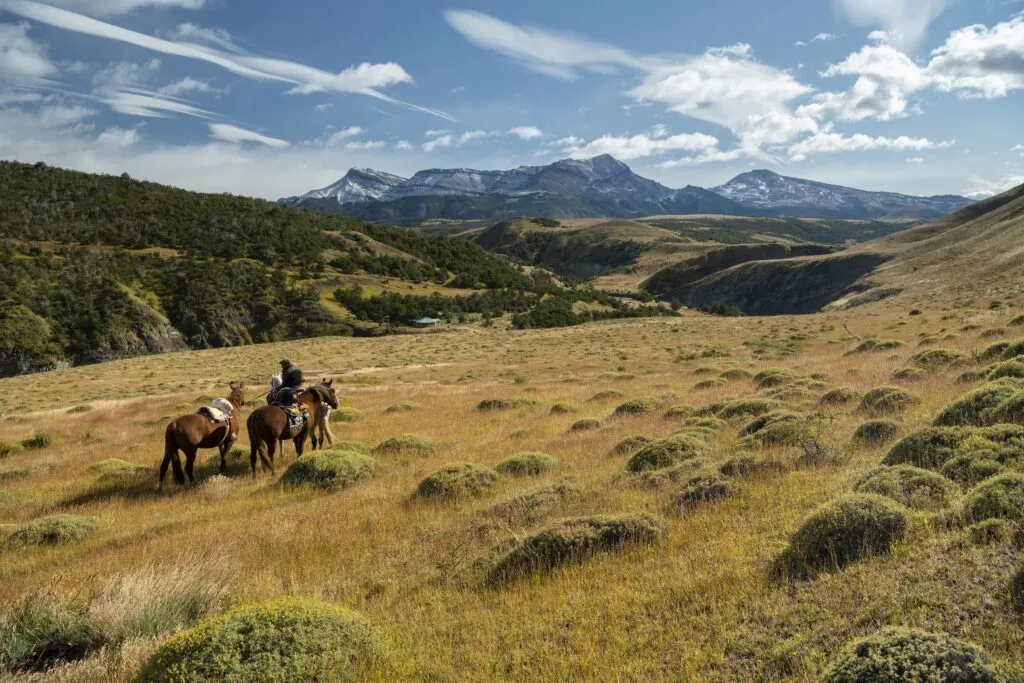
With its immediately recognisable granite spires, Patagonia’s most famous national park needs no introduction – and now a slew of interesting new places to stay are giving travellers renewed reasons to visit. Long our favourite lodge in the region, Awasi Patagonia will unveil two new Cenit villas in January 2027, which look to set a new benchmark for luxury accommodation in Torres del Paine – each will have two master suites, each with a private guide and vehicle, and a private chef. Awasi will also remain open through the Patagonian winter, introducing a private puma-tracking programme that draws on more than a decade of wildlife research on its 7,000-acre reserve.
Elsewhere, adventure specialists Explora are set to open a new ten-room lodge within its 14,800-acre Torres del Paine Conservation Reserve, a quieter, remoter corner just beyond the national park’s northeastern boundary, with guided explorations of the surrounding steppe and mountains. Rasante, which opened in October 2026, takes a different approach, with 14 rooms in a converted estancia on a 4,000-hectare reserve, with cooking overseen by Federico Ziegler, formerly of Awasi. Unlike most of Patagonia’s all-inclusive lodges, Rasante operates on a bed-and-breakfast basis, making it an appealing (and more wallet-friendly) option for those who prefer to explore independently.
7. Samaná, Dominican Republic
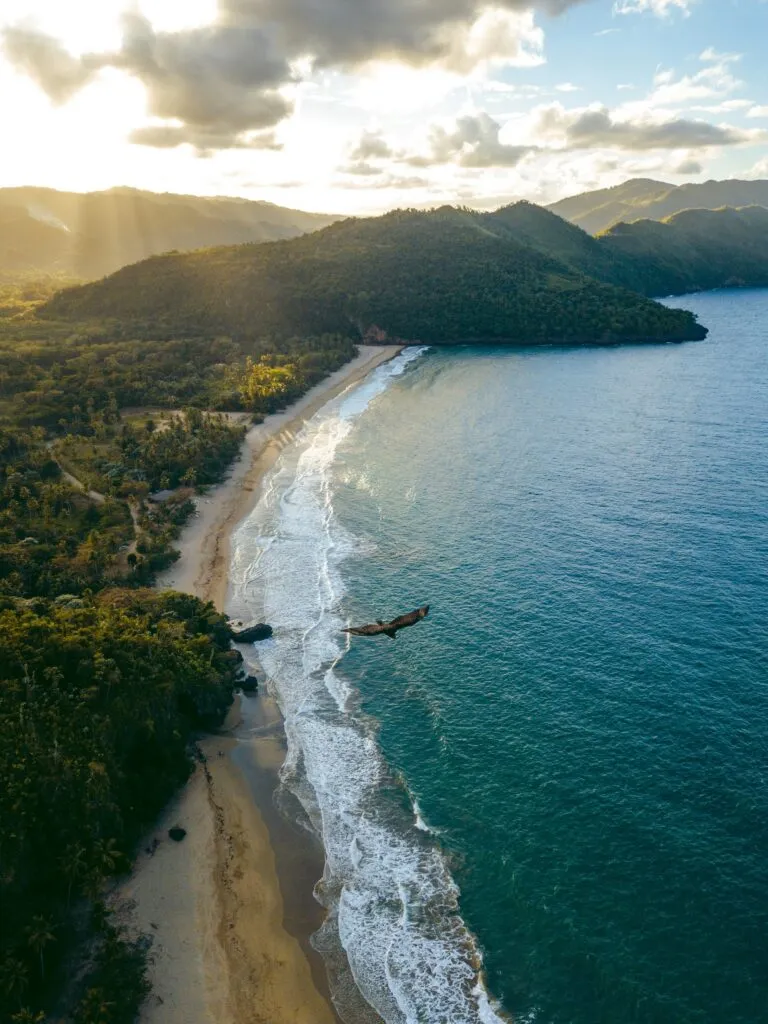
At the northeastern tip of the Dominican Republic, the Samaná Peninsula is a rugged stretch of forested mountains, fishing villages and wild beaches. Away from the country’s larger beach resorts, a handful of small, independently minded properties are opening along the coast. In Las Galeras, a fishing village at the peninsula’s eastern end, Ocama opened in 2025 with eight glass-and-wood houses spread across 35 acres above Rincón Bay, each with a private pool and sea-facing terrace, and nearby Araya has ocean-facing villas, an infinity pool and an open-air yoga space overlooking the bay. On the peninsula’s northern coast, cosmopolitan Las Terrenas has a livelier mix of beach clubs, good restaurants and boutique hotels.
The coastline is best explored on foot or by boat. From Las Galeras, the Seven Hidden Beaches trail links a series of remote coves through coastal forest, or take a boat to Playa Frontón, where cliffs rise almost vertically behind the sand. Inland, ride horses through the countryside, hike to El Limón waterfall for a swim beneath its 40-metre cascade, visit small cacao farms, or take a boat through the mangroves and Taino cave art of Los Haitises National Park. Between January and March, humpback whales gather in Samaná Bay to breed and calve.
Explore the Samaná Peninsula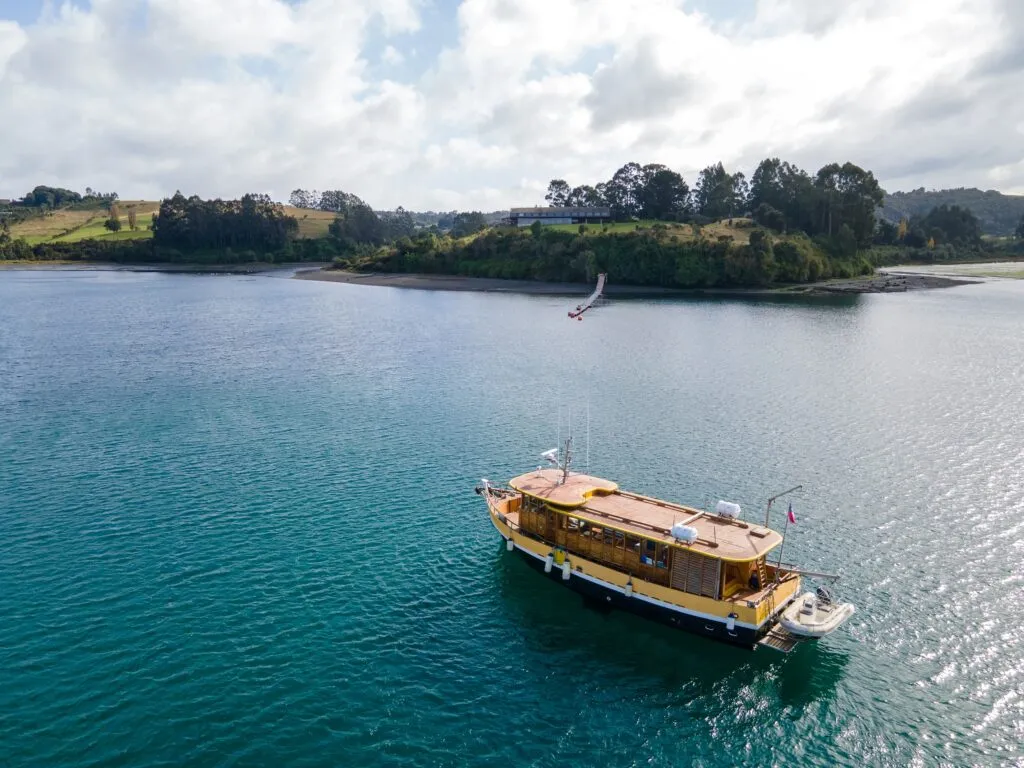
8. Chiloé
Off Chile’s southern coast, the Chiloé archipelago is a world of wooden churches, colourful fishing villages, distinctive mythology and food traditions. Separated from the mainland by the Chacao Channel, its relative isolation has helped preserve a culture quite different from that of continental Chile, best discovered by boat.
Aboard expedition yacht Cachalote, a six-day island-hopping itinerary takes in little-known island communities, from Quehui, where fishing and seaweed harvesting remain part of daily life, to Caguach, home to one of Chiloé’s 16 UNESCO-listed churches. Along the way, meet local artisans and boatbuilders, eat freshly caught spider crab on Apiao Island, and sample oysters and Chilean wine in Mechuque. No visit would be complete without trying curanto, the local feast of shellfish, meat and potatoes traditionally cooked over hot stones.
Back on land, Refugia Chiloé is the place to stay. The 24-room property overlooks Pullao Bay, with its own boat, Williche, for exploring further afield. It reopened in October 2025 under the Purcell family, its original owners, who also run Chile’s legendary Ski Portillo resort and founded Tierra Hotels. And for those looking for a place entirely to themselves, we have the keys to some spectacular private houses.
Take me to Chiloé9. Ilha do Ferro, Brazil
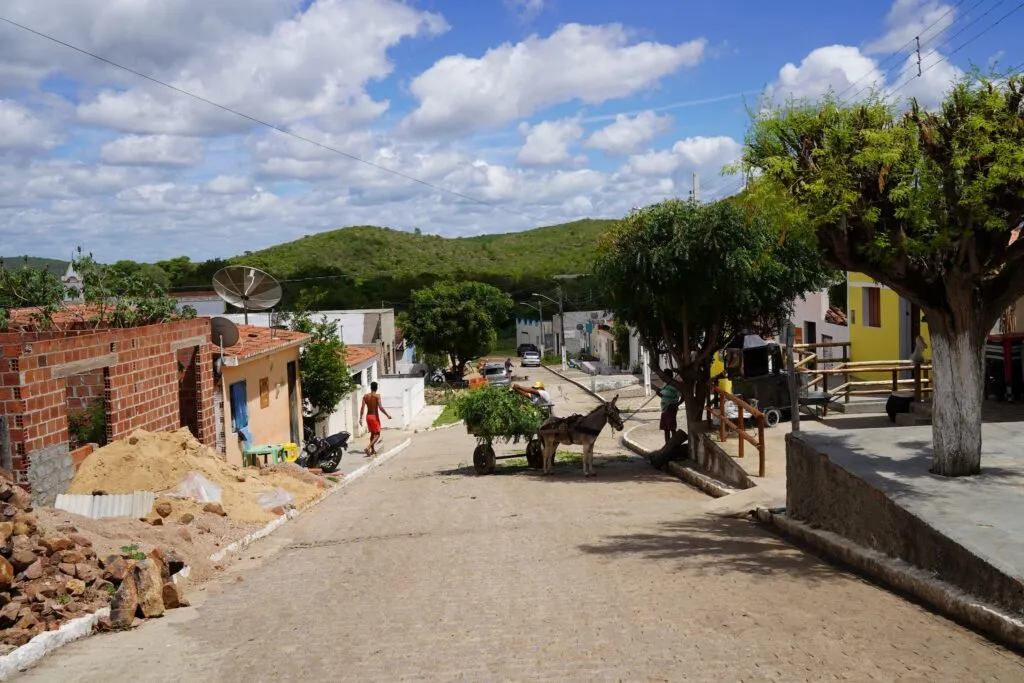
Deep in the sertão of Alagoas, on the banks of the mighty São Francisco River, the tiny, fiercely hot village of Ilha do Ferro has become an unlikely centre of Brazilian craft and design. Despite its name, it’s not an island. Here, twisted branches, roots and fallen timber are transformed into fantastical furniture, creatures and sculptures, while local women practise the intricate boa-noite embroidery passed down through generations. The legacy of master craftsman Fernando Rodrigues dos Santos lives on in the work of a new generation of artists, increasingly sought after by Brazilian collectors and designers.
A plugged-in local guide is essential to getting beneath the surface. Visit the workshops of Aberaldo, Vavan and Camille Souza, travel by boat between riverside communities and swim in the São Francisco to escape the afternoon heat. With little tourist infrastructure, private houses offer the best way to stay and experience life along the river. Afterwards, continue to the Alagoas coast and Casa Brasileira, a former coconut estate residence transformed into a seven-room art hotel amid tropical gardens beside Praia do Patacho.
10. Serra Fluminense, Brazil
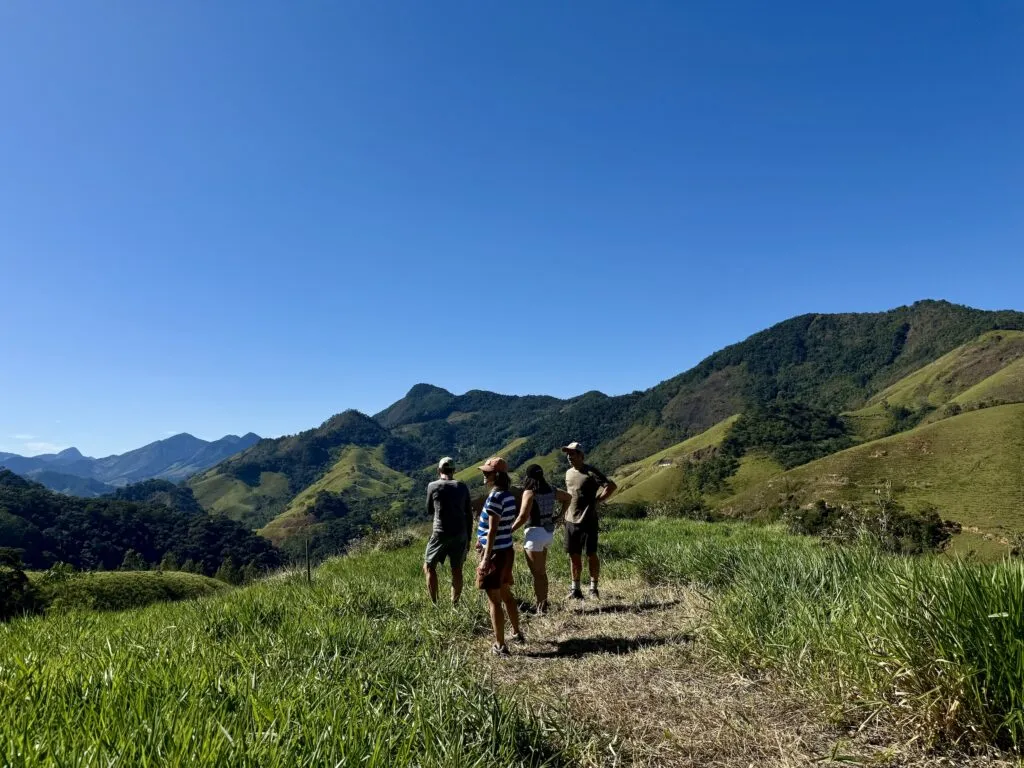
A few hours inland from Rio de Janeiro, the mountains of Rio de Janeiro state are covered in Atlantic Forest, home to steep valleys, clear rivers and small farming communities. The region is home to some knockout private countryside retreats – and now a new five-day experience developed by the owners of PATA Lodge, one of our favourite properties in Chilean Patagonia, offers a way into this little-visited rural landscape, known locally as the Roça Profunda.
The journey begins at Fazenda Yamandu, beside the Macaé River, where two restored pau a pique cottages sit within 200 hectares of Atlantic Forest. Days are spent walking forest trails, swimming in natural river pools and gathering around the kitchen table for Chef Chico’s feijoada and caipirinhas. From here, the route winds through the mountain villages of Lumiar and São Pedro da Serra to Sítio Clarice, a a riverside retreat near Rio Bonito de Lumiar, where guests can visit a native bee conservation project and taste honey from the surrounding forest.
Discover Fazenda Yamandu
11. Gocta & Chachapoyas, Peru
Long before the Incas arrived, the Chachapoya civilisation built monumental stone settlements and elaborate burial sites in the cloud forests of northern Peru. Hundreds of archaeological sites remain scattered across these remote mountains, the most impressive being Kuélap, a vast fortified citadel whose limestone walls rise to 20 metres, enclosing hundreds of circular stone buildings. In June 2026, its monumental southern wall finally reopened to visitors after years of conservation work.
The place to stay is Gocta Natura Reserve, founded by Rocio Florez, with six cabins set within 82 hectares of protected and regenerating cloud forest. It overlooks the 771-metre Gocta waterfall which plunges through the forest in two enormous drops, reached on foot along trails through coffee plantations and villages where hummingbirds gather in the gardens.
Rocío and her team are known for their warm hospitality and excellent cooking, and the reserve makes an excellent base for exploring the region. Visit the cliffside sarcophagi of Karajía, visit traditional potters in Huancas, meet women farmers in Cuemal to learn about traditional cultivation and cooking, or venture south to Leymebamba, where a small museum houses more than 200 Chachapoya mummies discovered near Laguna de los Cóndores.
Explore Gocta Natura Reserve12. Ecuador: The Road to Cuenca
The drive from Quito to Cuenca along Ecuador’s Avenue of the Volcanoes makes for a superb Andean road trip. Stay in historic haciendas, hike or e-bike on the slopes of Cotopaxi, ride with local chagras (Andean cowboys) and meet Puruhá weavers in the villages around Chimborazo. At El Castillo, a women’s weaving cooperative welcomes visitors into its workshop for a demonstration and lunch. North of Quito, Hacienda Zuleta, a 17th-century working estate once home to former president Galo Plaza Lasso, is worth a detour for its horse riding, embroidery workshop, cheese-making and Andean condor conservation project.
Cuenca’s beautifully preserved colonial centre has long been known for Panama hats, ceramics and traditional craft workshops – and now a new generation of chefs, artists and designers is bringing fresh energy to the city.Among the recent arrivals is Nostos, opened in 2026 by Ecuadorian chef José Andrés Ochoa Galarza following eight years working and studying in Europe. There’s also a growing choice of places to stay, including Parc Royale, a 15-suite hotel that opened in December 2024 in a century-old building with Parisian-inspired interiors. Half an hour outside the city, El Cajas National Park offers hiking through glacial valleys, windswept moorland and a network of mountain lakes, with the chance to spot Andean condors and spectacled bears.
CONTACT US
Considering an adventure in Latin America? Our specialists would be delighted to hear from you.

Conde Nast Traveler Specialists every year since 2017
@plansouthamerica