

In 2026, Latin America continues to reward travellers prepared to travel further – into wilder landscapes, deeper cultural worlds, and places with real character.
From contemporary art on Bolivia’s salt flats to sailing through the jungles of Brazil, this year brings a mix of new openings, destinations that are having a moment, and fresh ways of travelling through the region.
Here, we share our edit of where to go in Latin America in 2026 – and beyond.
1. Casa Gastón, Uyuni, Bolivia
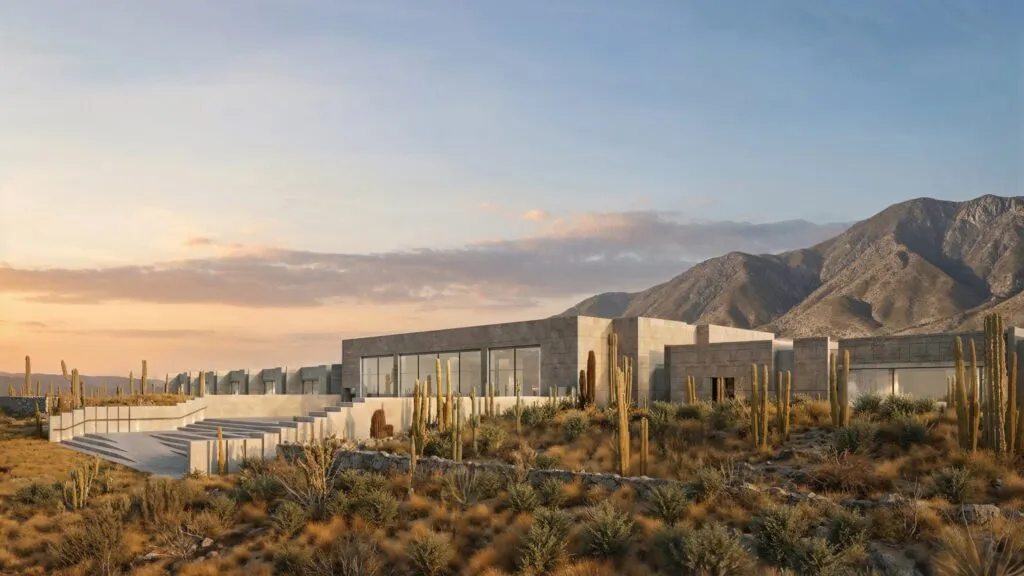
Bolivia’s cultural scene has been gathering momentum for some time, but its most significant new arrival lies far from the cities.
Opening in March 2026 on the edge of the Uyuni Salt Flats, Casa Gastón is a museum-hotel conceived by the late Gastón Ugalde, widely regarded as the father of Bolivian contemporary art. Shaped around his vision, it reframes Uyuni as a place to spend time rather than simply pass through – a landscape that served as the canvas for much of Ugalde’s own work.
There are just ten rooms, each with private terraces overlooking the salt flats, and a considered programme of explorations – from traversing the salar by 4×4 or bicycle to ascending nearby Tunupa volcano. Cultural programming runs throughout, with rotating site-specific installations, resident artists and exhibitions, and the restaurant is overseen by Bolivian star chef Marsia Taha, named Latin America’s Best Female Chef in 2024.
Discover more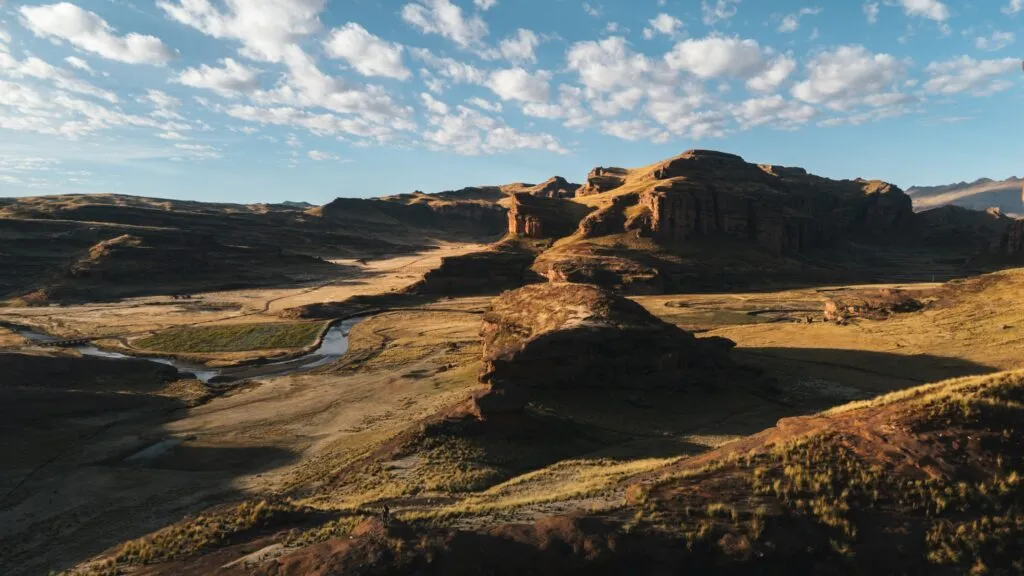
2. Samai Motorcycle Travesía, Peru
Samai’s new motorbike travesía through southern Peru brings together some of the country’s wildest landscapes and ancient cultures with the thrill of the open road.
Travellers will set out on two wheels across vast Andean plateaus, otherworldly rock formations, floating islands, and pre-Inca sites. Along the way, they’ll bed down at a number of our favourite stays, from a restored convent in Arequipa to the recently-opened Tinajani Camp, a safari-style camp set on the edge of Tinajani Canyon.
The first small group trip will take place from June 2-11, led by founder Jaime Aritio, who has extensively explored Peruvian backroads by motorcycle. Private trips are available on request, and can also be made by car for those inclined.
Enquire3. The Amazon by Riverboat
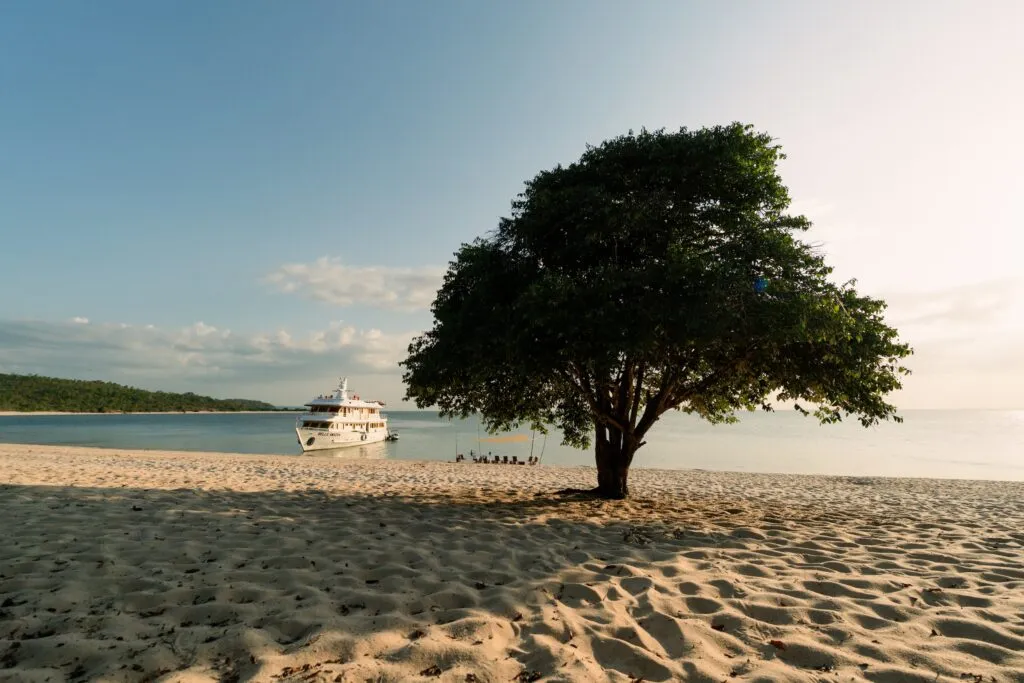
A small fleet of thoughtfully-run boats and expedition yachts is redefining how the Amazon is explored – slower by design, intimate in scale, and properly off grid.
In Brazil, Kaiara operates a series of journeys aboard traditional wooden riverboats along the Rio Tapajós, Arapiuns, and Amazon. Setting off from Alter do Chão, a riverside town with a cult following among Brazilians, the route takes in deserted freshwater beaches, indigenous riverside communities, and stretches of Tapajos national forest. Days are spent canoeing through igapó forest, hiking through the jungle, and learning from local communities about their way of life and traditions – from flour-making and Melipona beehives to fishing techniques, forest medicine, and tucumã palm weaving.
Further north in the Peruvian Amazon, Delfin Cruises venture deep into one of the world’s largest flooded forests, the Pacaya-Samira national reserve. Their four-cabin Delfin I, which returned to the water in mid-2025 after a full renovation, remains the most personal way to explore. In September 2026, it’ll be joined by &Beyond’s Amazon Explorer, a new fifteen-cabin expedition vessel offering a luxe take on low-impact exploration.
4. Explora El Calafate & Torres del Paine Conservation Reserve, Patagonia
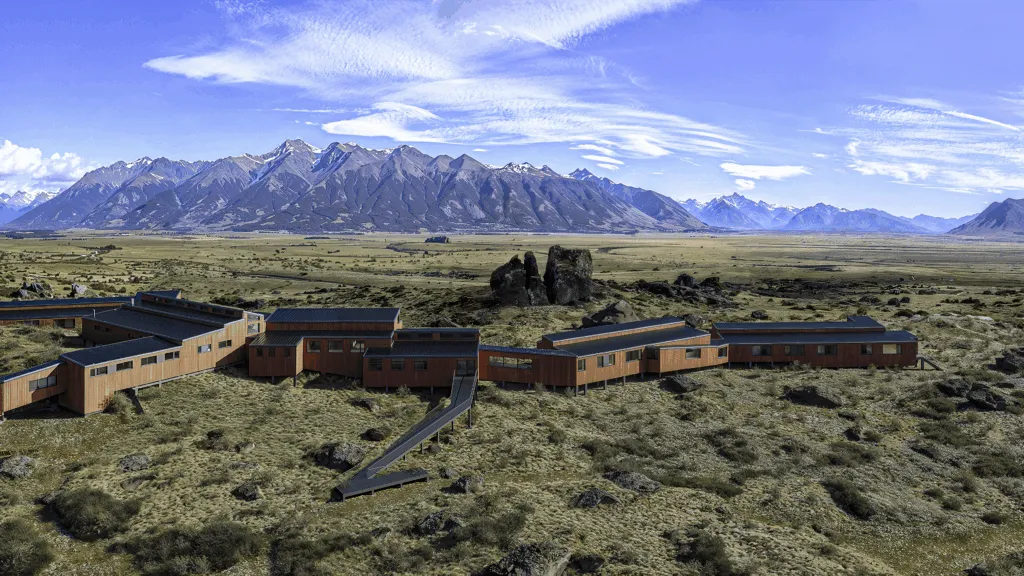
Explora’s lodges have long been staples of PSA journeys, and for good reason – they do exploration properly, backed by strong guiding and a serious conservation ethos.
From December 2026, two new Patagonian outposts join their network. One, near El Calafate and the Southern Patagonian Ice Field, marks the first opening of real note there in nearly two decades. The other, inside the Torres del Paine conservation reserve, opens access to a quieter corner of the park. Design is calm and deliberately restrained; as ever with Explora, the focus remains firmly on the outdoors.
Explora TDP Explora El Calafate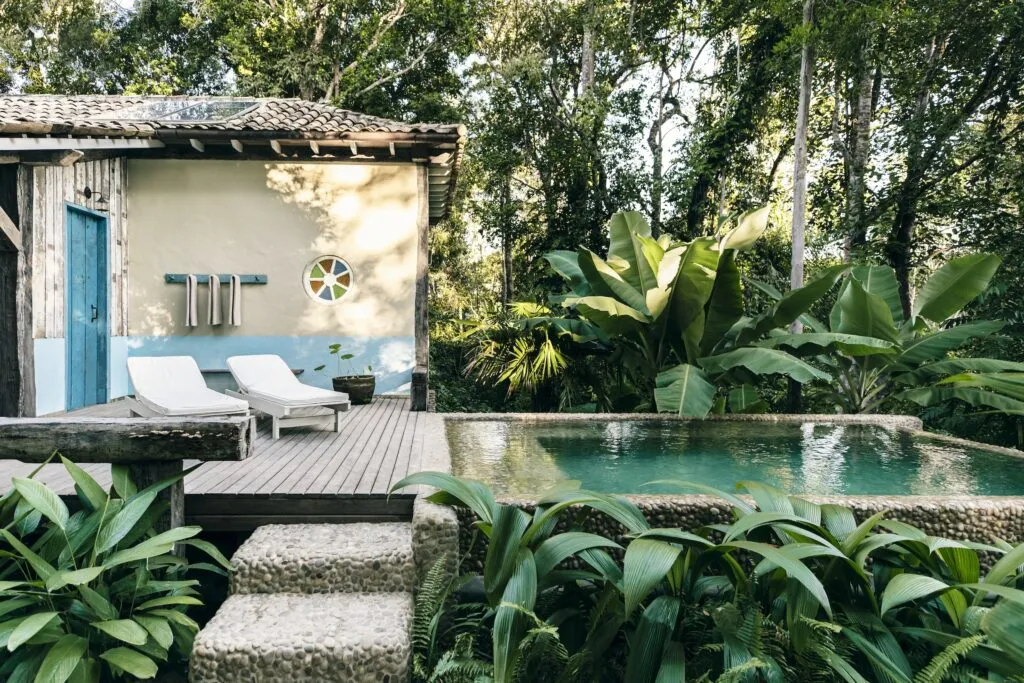
5. UXUA Maré, Brazil
Created by the brilliant minds behind UXUA Casa Hotel & Spa, this nature sanctuary and slow-living retreat opened its doors in July 2025. It occupies a private slice of Brazil’s Mata Atlântica just three miles from Trancoso, with 175m of pristine, rainforest-backed Itapororoca beachfront.
The project follows a light-touch philosophy. Existing outbuildings were repurposed – a former laundry became a fisherman’s house with a shingled roof – and three century-old farmhouses from Minas Gerais were dismantled and rebuilt on site using reclaimed timber. Interiors mix antiques, vintage Italian linens, local art and handcrafted pieces from Pataxó artisans, including pieces made in UXUA’s own ceramics atelier. Solar power and a groundwater well push the retreat close to self-sufficiency.
Wildlife is part of the daily backdrop: monkeys, sloths, and parrots live in the trees, coral reefs are alive with tropical fish just offshore, and the gardens house an astonishing collection of rare palms and edible plants.
DISCOVER UXUA MARÉ6. Surfing and Conservation in Northern Peru
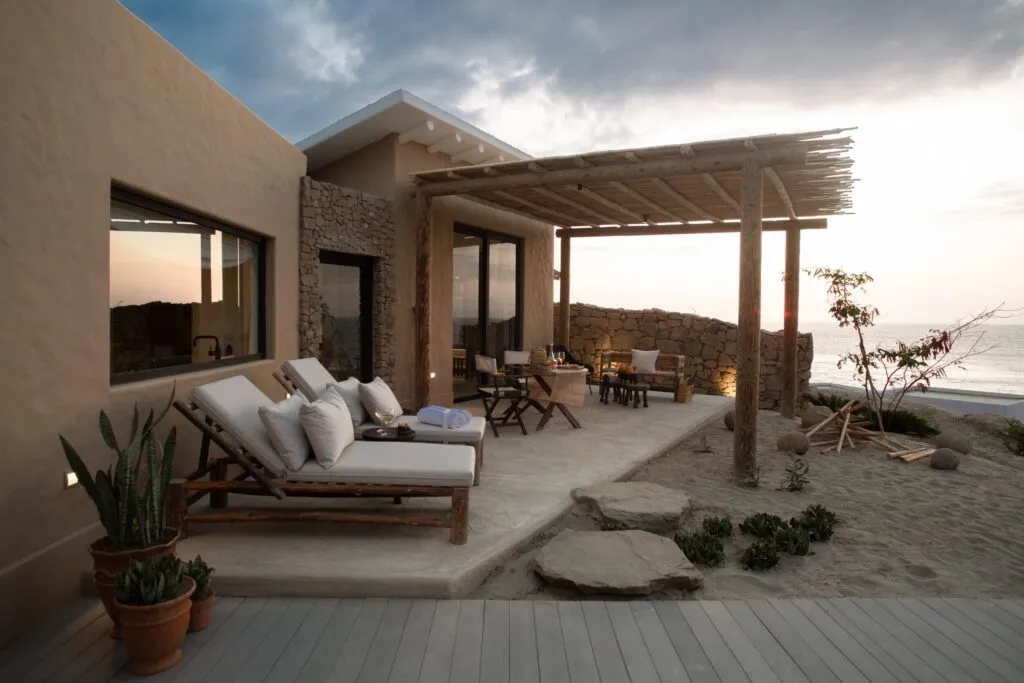
Peru’s far northern coast has long flown under the radar – a stretch of Pacific shoreline shaped by surf culture, fishing villages and a quieter way of life. Now, a new generation of stays are giving shape to a more considered, conservation-focused coastal scene.
At Cabo Blanco, a legendary sport fishing outpost once frequented by big-game fishermen and icons such as Hemingway and Monroe, Inkaterra opens a small hotel directly on the sand this September. The setting is quiet, undeveloped and deliberately low-impact – in keeping with Inkaterra’s ethos, the emphasis is firmly on long-term environmental stewardship and marine conservation.
Just along the coast in the laid-back town of Mancora lies KiChic. A former family home, it has been reworked into a small collection of standalone suites designed to feel like sea-level treehouses, opening directly onto sand and sea. Reliable surf and a cluster of excellent, unfussy ceviche spots sit within each reach.

7. Montezuma Sanctuary, Costa Rica
Set in the volcanic highlands of northern Costa Rica, Hacienda Montezuma is a working ranch and private reserve devoted to land stewardship and renewal. It is owned and run by Floriana Acosta, whose vision shapes every element of the experience.
Usually reserved for exclusive buyouts, this July, Montezuma will open for the first edition in a series of practice-led wellness retreats. Together with Floriana, a hand-picked team of Costa Rican practitioners will lead riding, yoga, meditation, lake swims and waterfall hikes, alongside equine therapy and forest walks that tune into the natural soundscape of Bijagua.
LEARN MORE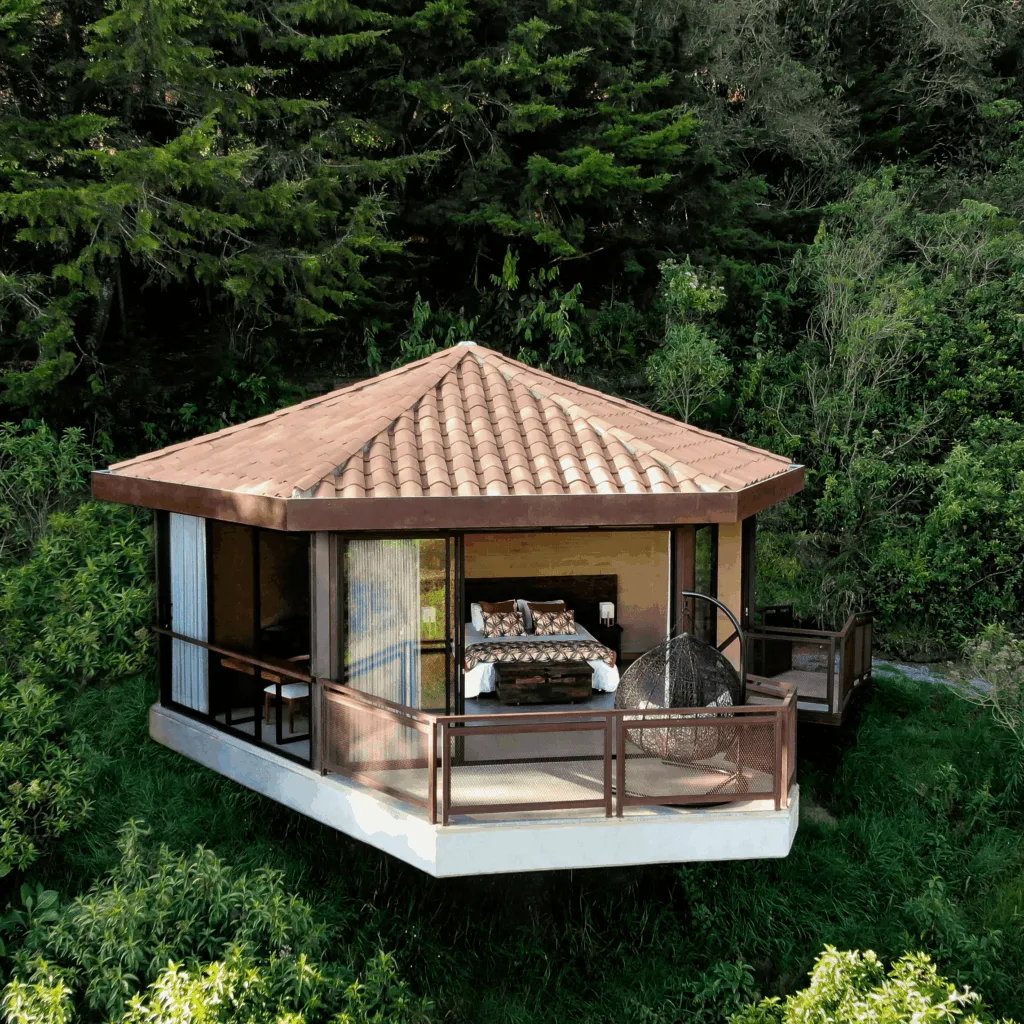
8. Cannúa, Colombia
Deep-forest eco-lodges have been slower to arrive in Colombia than in other parts of Central and South America, but Cannúa, set on a mountainside in Antioquia, stands apart. Few hotels can claim access to a hiking trail established by pre-Hispanic indigenous people, or bricks crafted on site from the soil of the estate itself.
The lodge’s ten rooms and eight free-standing cabañas are modern in style, though suitably earthy in their materials. Vast, floor-to-ceiling windows frame far-ranging views of the Valley of San Nicolas.
There’s a modern Colombian restaurant, supplied largely by the hotel’s own permaculture garden, alongside a spa and a well-curated programme of excursions. Birding, hiking, coffee and chocolate tasting are all arranged in-house, with sustainability and local community engagement embedded throughout rather than treated as an add-on.
Discover CANNÚA9. Pátzcuaro, Mexico
Set in the highlands of Michoacán, this pueblo mágico sits on the edge of its namesake lake, a former Purépecha stronghold that feels mercifully untouched by tourism. Crooked, cobbled streets wind past whitewashed houses and shaded plazas, and life remains closely tied to the lake; at first light, fishing boats still set out across the water, much as they have for generations.
Stay at Casa de la Real Aduana, which occupies a converted 16th-century stone manor house just off the main square. Once used to levy taxes for New Spain, it’s now an eclectic five-suite guesthouse owned by French photographer Didier Dorval and his Mexican wife Gemma Macouzet, filled with an extraordinary collection of antiques and oil paintings, ceramics, textiles and objets d’art gathered over decades of travel.
Beyond the town, the shores of Lake Pátzcuaro are dotted with Purépecha villages, each associated with a distinct ancestral craft: pottery, lacquer, woven straw, copper and woodworking. A short drive away lies the Monarch Butterfly Biosphere Reserve, where each autumn, millions of monarchs arrive from Canada to overwinter in the oyamel forests of El Rosario and Sierra Chincua.

10. Reñihue Lodge, Chilean Patagonia
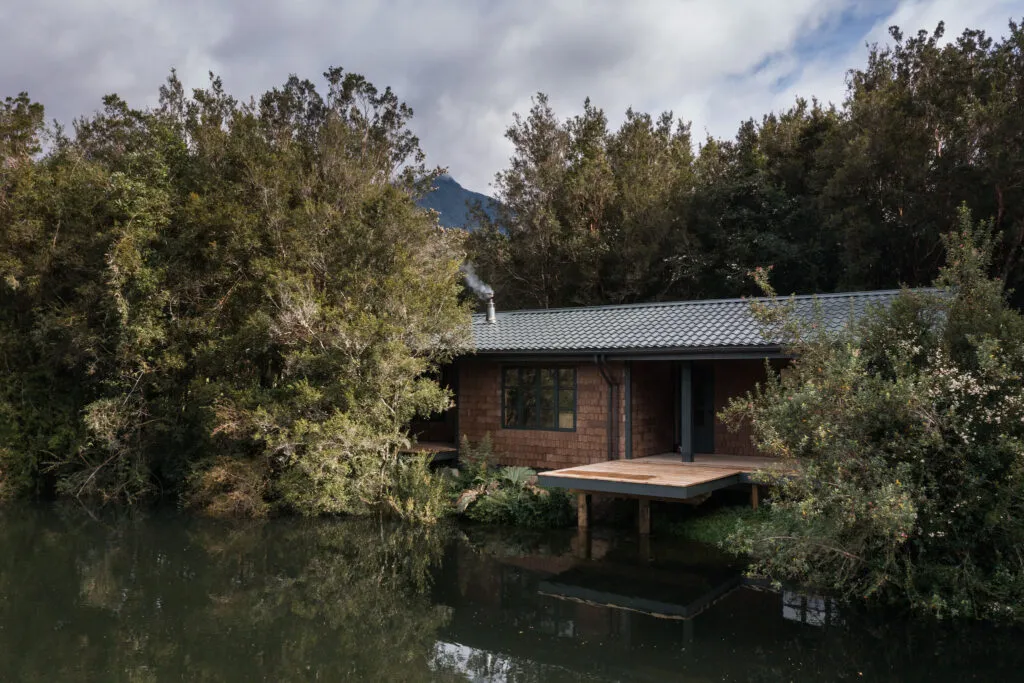
Reñihue sits deep within Pumalín National Park, on the site where Doug and Kris Tompkins first shaped their conservation vision for Patagonia. What began as a private homestead became the seed of one of the world’s most ambitious rewilding efforts, protecting vast tracts of fjords, rainforest and volcanic peaks.
Now carefully stewarded as a small lodge, Reñihue remains purposeful and pared back. Ten rooms are spread across simple timber houses, backed by temperate rainforest and fronted by fjords and the snow-capped cone of Michimahuida. Days are spent hiking into Pumalín’s old-growth forests, fly-fishing glacial rivers or sailing the coast; in winter, heli-skiing opens up long, clean runs from glacier to water’s edge. Conservation remains central, supported through ongoing research and fieldwork across the valley.
Discover RENIHUE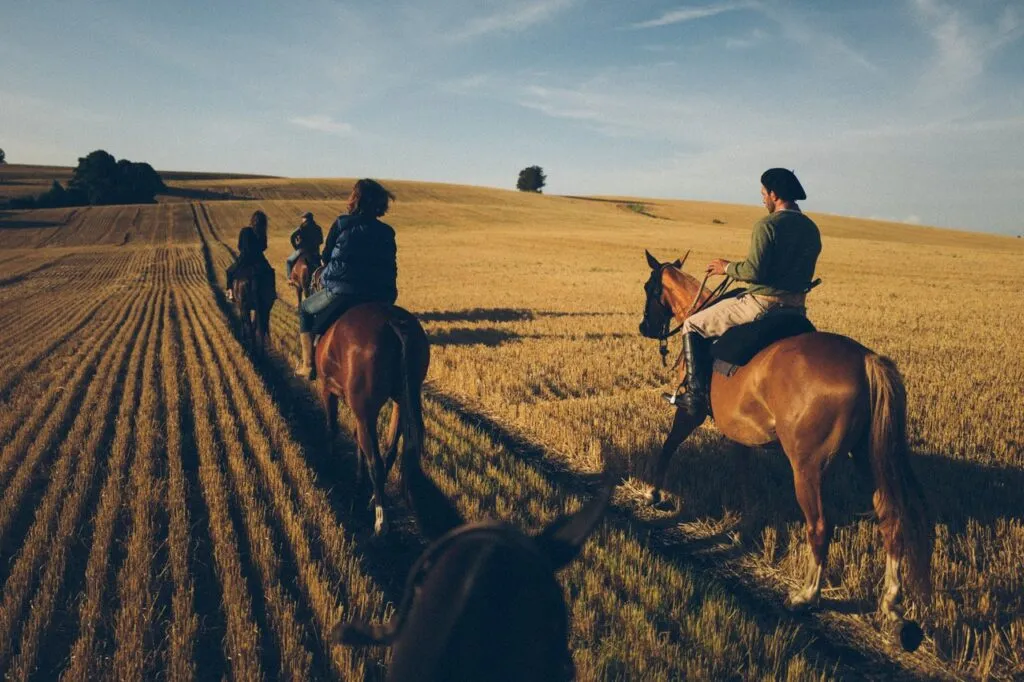
11. Estancia La Serrana, Argentina
Set in 500 hectares of grass and woodland, La Serrana is a stately Basque-style property, modelled on Edmond Rostand’s Villa Arnaga. With eight bedrooms, beautifully-designed interiors and a full staff, this is a place designed for gathering.
Spend your days riding out across open grasslands, or playing backgammon by the pool. There are motorbikes, a horse and carriage, a polo field and a clay court, with a clubhouse for post-match G&Ts. For off-property adventures, there’s golf, deep sea fishing and beach days on the Mar del Plata coast, and private tastings at Costa y Pampa – a nearby winery part-owned by the La Serrana family – just beyond the gates.
A beloved family retreat for generations, it has only recently opened to guests – go now, before the word gets out.
DISCOVER LA SERRANA12. Fernando de Noronha, Brazil
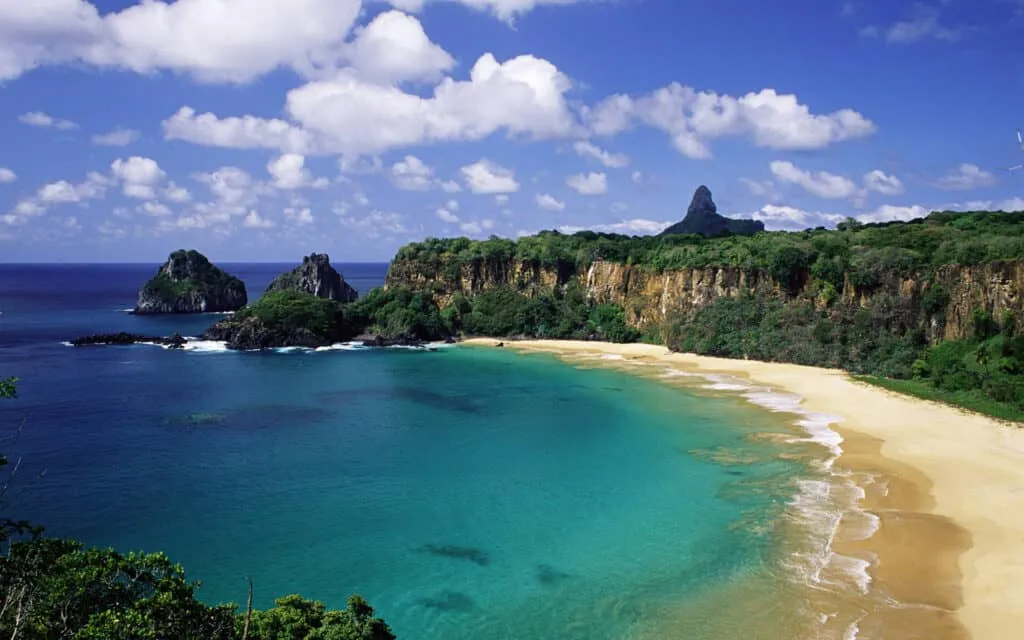
A speck in the Atlantic some 219 miles off Brazil’s northeastern coast, Fernando de Noronha is a 21-island archipelago so fiercely protected it allows just 420 visitors at a time. Once a challenge to reach, a new flight route means it is now just a direct flight from São Paulo.
A UNESCO World Heritage Site and national marine park, its volcanic cliffs, coral reefs and beaches remain blissfully, deliberately quiet. Diving is among the finest in the Americas, with warm, crystal-clear waters teeming with sea turtles, reef sharks and spinner dolphins from December to May. In summer, it’s all about surfing, with swells rising to 15 feet. In between, explore by dune buggy, swim in natural tide pools and hike to colonial-era forts reclaimed by jungle.
Bed down at Pousada Maravilha, the island’s most spoiling address, with sweeping views over Sueste Bay – or opt for a thatched bungalow at Nannai, complete with private plunge pool.

13. Casa Loro, Panama
This vibrant private property is set on Reserva Ecológica Panamaes, a 1,380-acre conservation and regeneration project on Panama’s Azuero Peninsula.
Spread over 30 acres, there’s a light-filled main house and four thatched ocean-facing guest cabanas, connected by winding garden walkways and tropical planting. Inside, expect playful, tropical decor, with teak furniture, natural textures, and a scatter of coconuts and shells gathered along the beach over the years. It is regularly used by its owners, and the atmosphere is easy and personal.
Time here is all about relaxing and enjoying the land and sea – fishing, surfing and living in bathing suits all day long. There’s a clifftop pool overlooking the Pacific, tennis courts set among tropical gardens, beach riding, and a boat for sailing, scuba diving, snorkelling, and whale watching. Hosting is overseen by Maria de los Angeles – chef, mixologist, TV personality, and yoga instructor – who ensures guests feel thoroughly looked after.
DISCOVER CASA LORO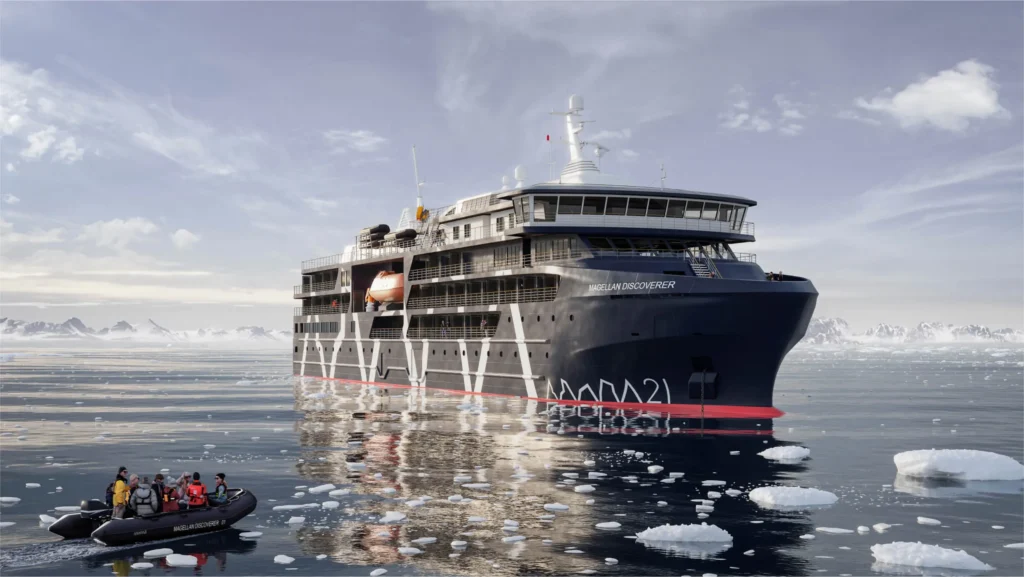
14. Magellan Discoverer, Antarctica
Launching in late 2026, Magellan Discoverer is the latest boutique expedition vessel from the team behind Magellan Explorer. At the heart of the concept is Magellan’s pioneering air-cruise model, which flies guests directly to Antarctica, bypassing the choppy Drake Passage and maximising time spent on the continent itself.
Passenger numbers are capped at just 76 on these air-cruises, making Zodiac landings smoother and more flexible, and allowing for longer encounters with landscapes and wildlife. The smaller scale also lends the voyage a more personal tone, with space to properly absorb the immensity of the place – and to get to know fellow travellers along the way.
EXPLORE THE MAGELLAN DISCOVERERConsidering a journey to Latin America? Speak to our specialists to start shaping your adventures in 2026 and beyond.
@plansouthamerica