
This journey through Mexico’s central highlands traverses the volcanic landscapes, colonial cities and Purépecha heartlands of Morelos and Michoacán.
Beginning beneath the cliffs of El Tepozteco in Tepoztlán, travel west through the mountains to the pink-stone city of Morelia before climbing into the high-altitude oyamel forests of El Rosario, where millions of monarch butterflies gather each winter. Continue to Lake Pátzcuaro, surrounded by Purépecha villages with centuries-old traditions of pottery, weaving, mask-making and copperwork.
The route then loops back towards Mexico City, stopping at the extraordinary organic architecture of Parque Quetzalcóatl before ending with a few days exploring the capital – from the markets and pre-Hispanic history of the historic centre to the galleries and restaurants of Roma and Condesa, and the ancient canals and working chinampas of Xochimilco. Along the way, you’ll meet local artisans and collectors, explore on foot and horseback, and stay at a collection of our favourite small hotels in Mexico.
Every journey we design is tailor-made; consider this itinerary as merely a starting point to inspire your own.
WHEN TO TRAVEL
November to March
SUGGESTED LENGTH
8 nights
DAYS 1-2
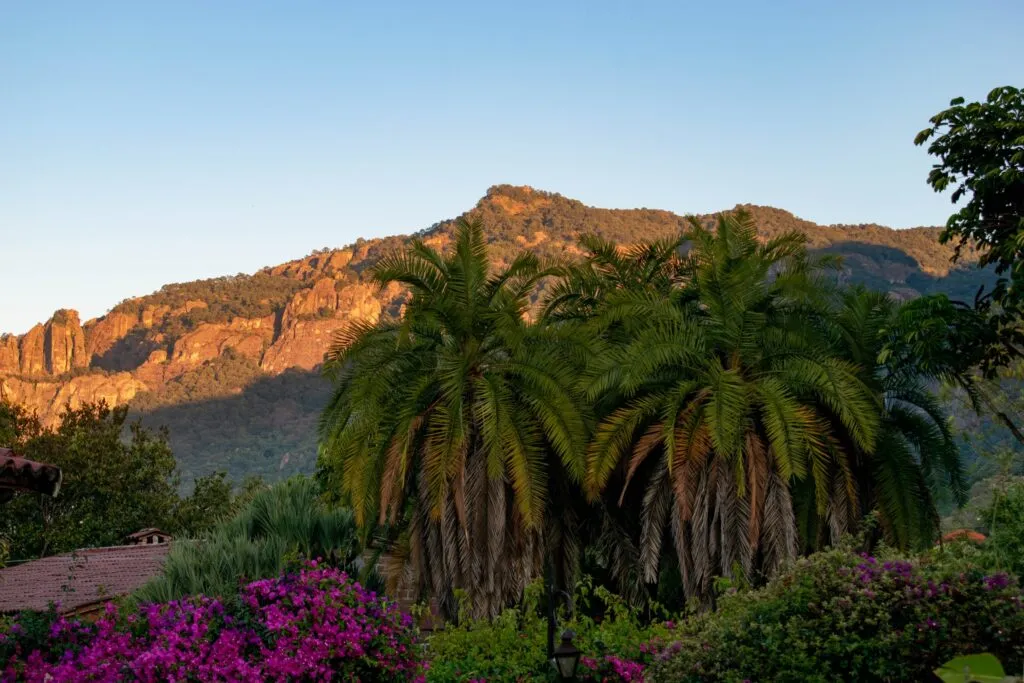
Tepoztlán
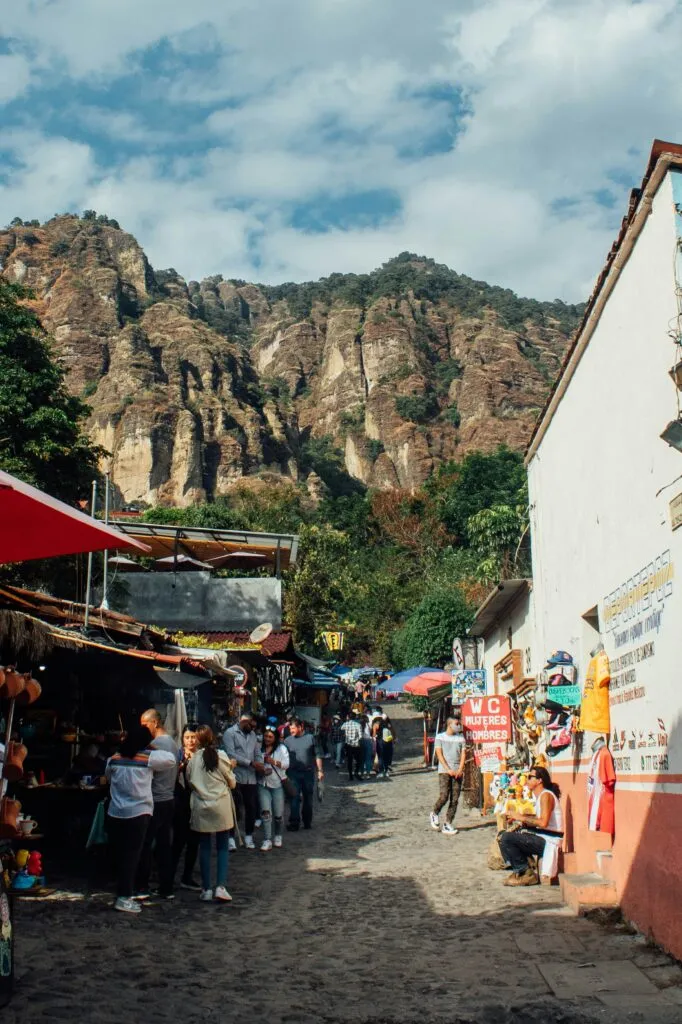
Arrive in Mexico City, where you will meet your private driver and head south into the mountains of Morelos. Within two hours, the capital’s urban sprawl gives way to Tepoztlán, a small town sitting beneath the great volcanic cliffs of El Tepozteco. Its cobbled streets, colourful market and forested mountains have long drawn artists, writers and weekend escapees from Mexico City.
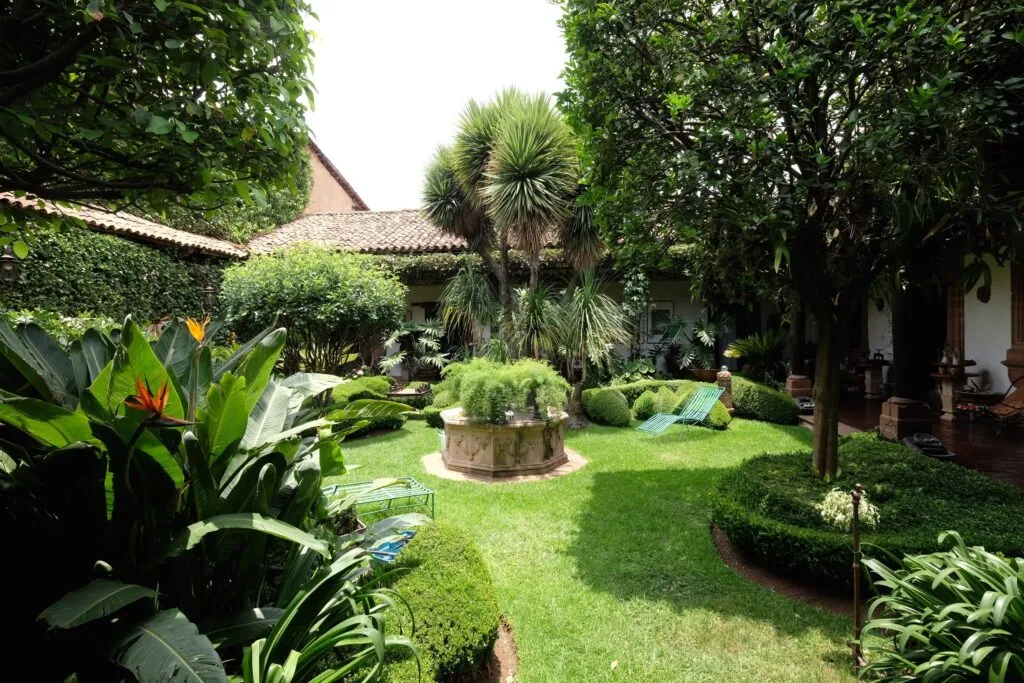
Check into Casa Fernanda, a small hotel hidden in the heart of the old town, then head out to explore on foot with our guide. At the centre of Tepoztlán stands the 16th-century Convent of La Natividad, built by Dominican friars, now part of a UNESCO World Heritage Site. Wander through the market, stopping at stalls selling tropical fruit, dried chillies, medicinal herbs and regional dishes particular to Morelos.
From there, a steep trail winds up through the forest to Tepozteco, a small pre-Hispanic temple perched high on the mountainside dedicated to Tepoztēcatl, the Aztec god associated with pulque – a cloudy, fermented agave drink that has been made in central Mexico for centuries. The temple itself is modest, but the journey itself and the views back across Tepoztlán make it well worth the climb.
DAYS 3-4
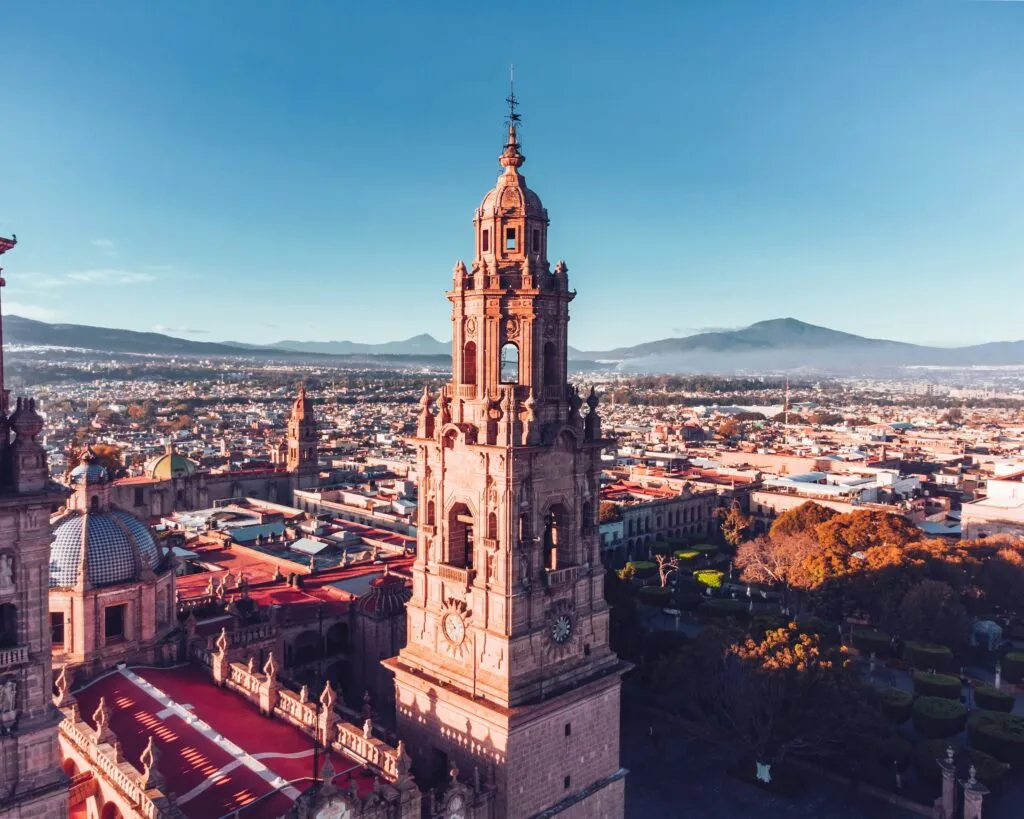
Morelia
Heading west from Tepoztlán, the road climbs into Michoacán, a state of pine-covered mountains, volcanic landscapes and fiercely guarded culinary traditions. Its capital, Morelia, is one of Mexico’s great colonial cities, built from the rose-pink cantera stone quarried in the surrounding hills – especially pretty towards the end of the day, when the cathedral and arcaded streets take on the colour of the evening light. Explore on foot: dip into courtyards and smaller streets, visit the 18th-century aqueduct and stop at a family workshop for dulces morelianos – crystallised fruits and cajeta that have been made here for generations.
The next day, head into the mountains to El Rosario Monarch Butterfly Sanctuary, one of the principal wintering grounds of the monarch butterfly. Each year, monarchs migrate south from Canada and the United States to a small area of high-altitude oyamel forest in Michoacán and neighbouring Estado de México, where they gather in their millions for the winter.
Reaching the colonies involves riding into the mountains on horseback, followed by a final stretch on foot through the forest. Early in the day, when the forest is still cold, the monarchs hang in enormous clusters from the branches, so densely packed that the trees appear dark with them. Wait for the sun to reach the canopy and the temperature to rise; slowly, the clusters begin to break apart and thousands of butterflies take to the air, flickering orange and black between the trees.
DAYS 5-6
Pátzcuaro & Paricutín
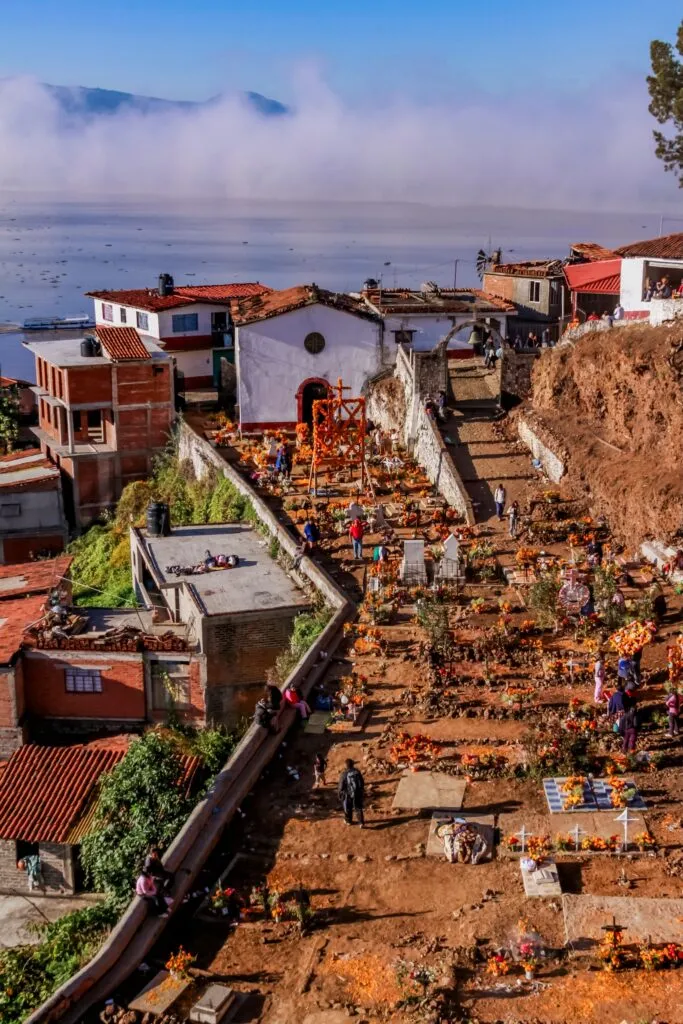
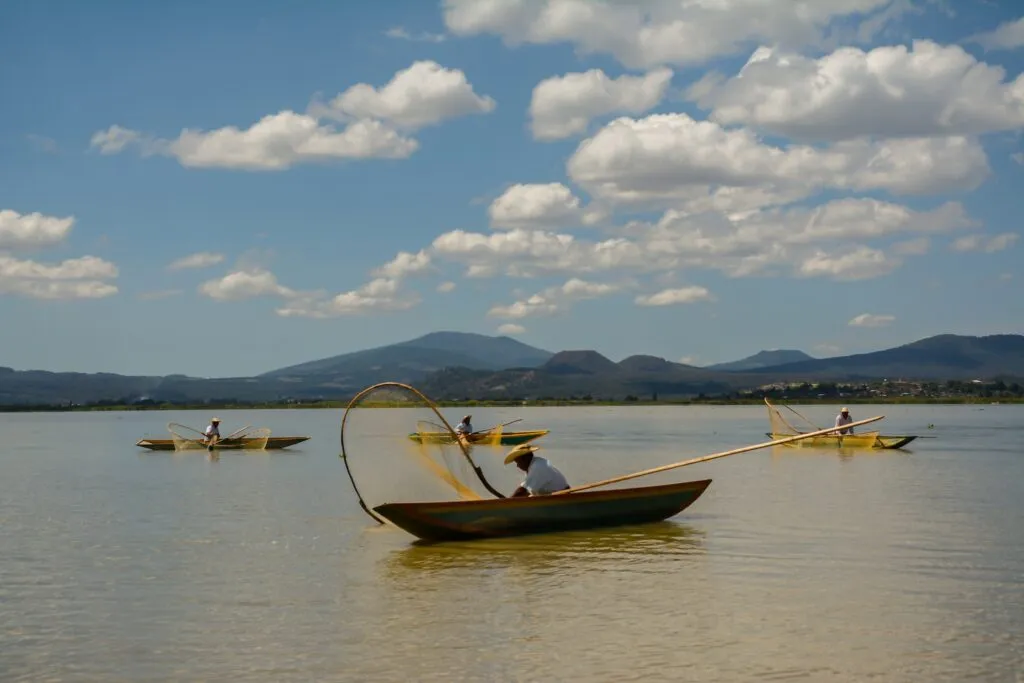
Continue deeper into Michoacán to Pátzcuaro, a highland town of whitewashed houses, red-tiled roofs and cobbled streets overlooking its namesake lake, surrounded by small Purépecha villages. Purépecha culture is especially strong in this part of Michoacán, and for centuries the villages around the lake have been associated with particular crafts.
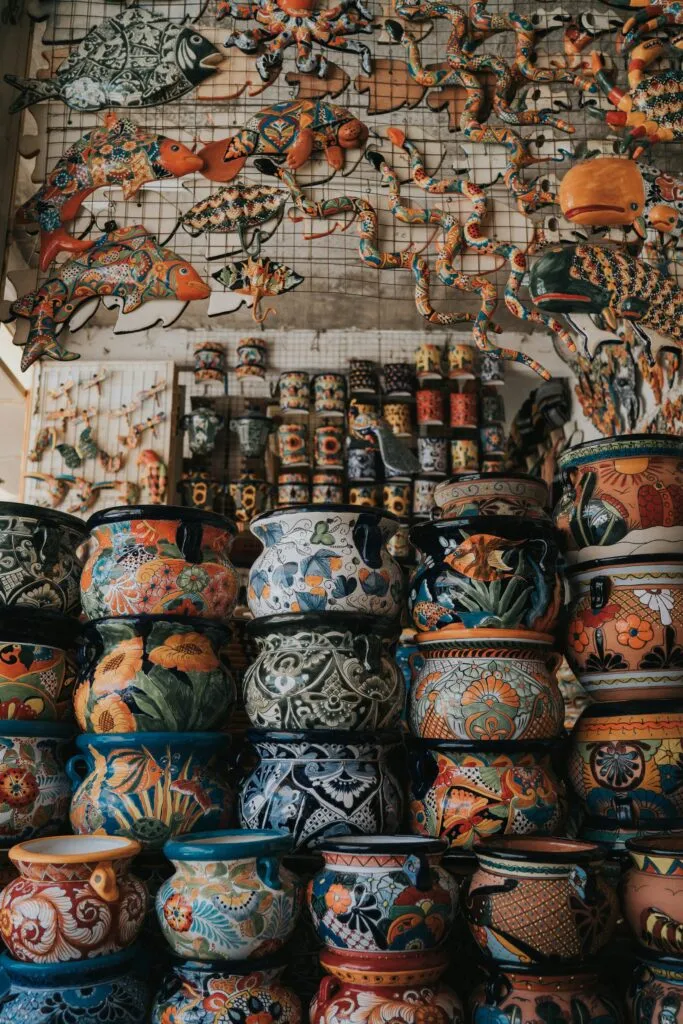
Spend time travelling between the villages with our guide, visiting small family workshops and meeting the makers. In Santa Fe de la Laguna, on the northern shore of the lake, potters are known for black and polychrome glazed ceramics. Tócuaro is associated with carved and painted wooden masks, including the elaborate devil masks used in traditional dances. In and around Tzintzuntzan, once the ceremonial centre of the Purépecha empire, there is pottery, embroidery and work in vegetable fibres. Further south, Santa Clara del Cobre has been a centre of metalworking since before the Conquest; copper is heated and hammered by hand into pots, bowls and sculptural pieces. Pátzcuaro has traditions of its own, including pedal-loom textiles, carved wood and lacquerwork.
The following day, travel into the countryside to Angahuan, then continue on foot and horseback through avocado groves and across black volcanic rock towards Paricutín volcano. After appearing suddenly in a farmer’s cornfield in 1943, it erupted for nine years, burying two villages and much of the surrounding farmland beneath its lava. Almost all of San Juan Parangaricutiro disappeared during the eruption, but parts of its church survived, and the bell tower and altar remain standing.

DAYS 7-8
Mexico City
Leave the highlands of Michoacán and make your way back towards Mexico City with your driver, stopping en route at Parque Quetzalcóatl. Designed by Mexican architect Javier Senosiain, this fantastical complex takes the form of a feathered serpent, with a series of colourful, curving structures winding through caves, gardens and ponds.
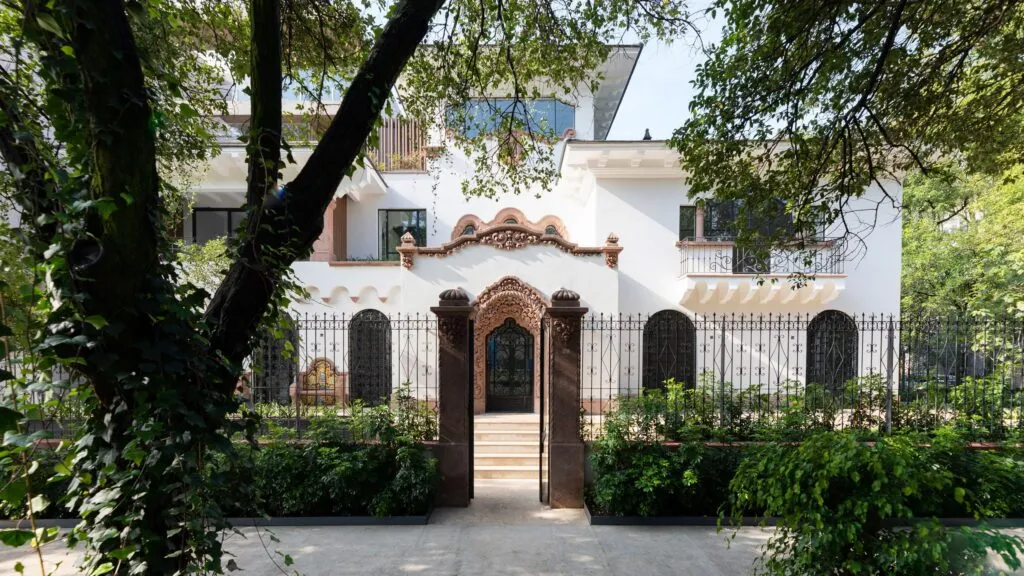
Back in the capital, check into El Cortés then head out to explore Roma Norte. Alongside neighbouring Condesa, this is one of our favourite parts of the city to explore on foot, with leafy avenues, Art Deco houses and plenty of good cafés, bars, galleries and independent shops.
Spend the next two days getting under the skin of one of the world’s great cities. Start in the historic centre, where the vast Zócalo sits alongside the Metropolitan Cathedral, National Palace and the excavated remains of Templo Mayor, once at the centre of the Aztec capital of Tenochtitlan. At Jamaica Market, one of the city’s great produce and flower markets, taste your way through the food stalls and learn to make Mexican salsas with a local chilli specialist. Visit the National Museum of Anthropology, whose collection ranges from monumental Olmec heads and Maya ceramics to the enormous Mexica Sun Stone.
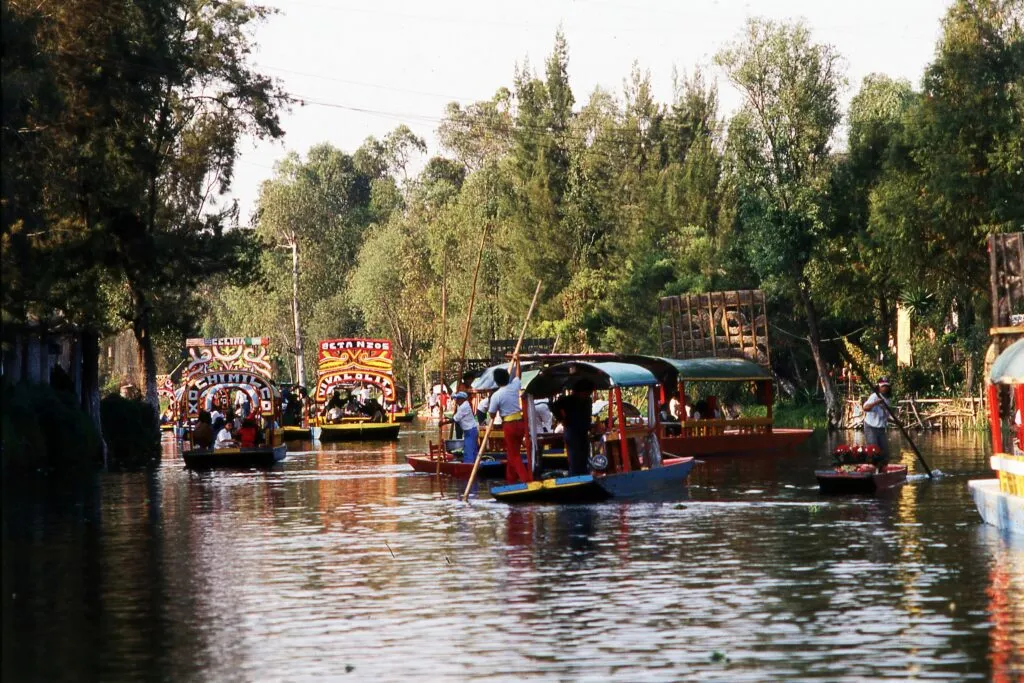
On your final day, head south to Xochimilco, boarding a colourful trajinera boat (made in the style of Aztec-era canoes) to float along ancient canals past lively mariachis, vendors and taqueros. Step ashore on a working chinampa to learn about their centuries-old farming system, then sit down to lunch prepared with produce from the surrounding fields. Spend the afternoon in Coyoacán, home to some of Mexico’s most beloved artists and writers, where you can visit Frida Kahlo’s house – now a museum known as Casa Azul, where she lived with Diego Rivera amongst lush plants and large collections of strange and beautiful objects.
Stay a Little Longer
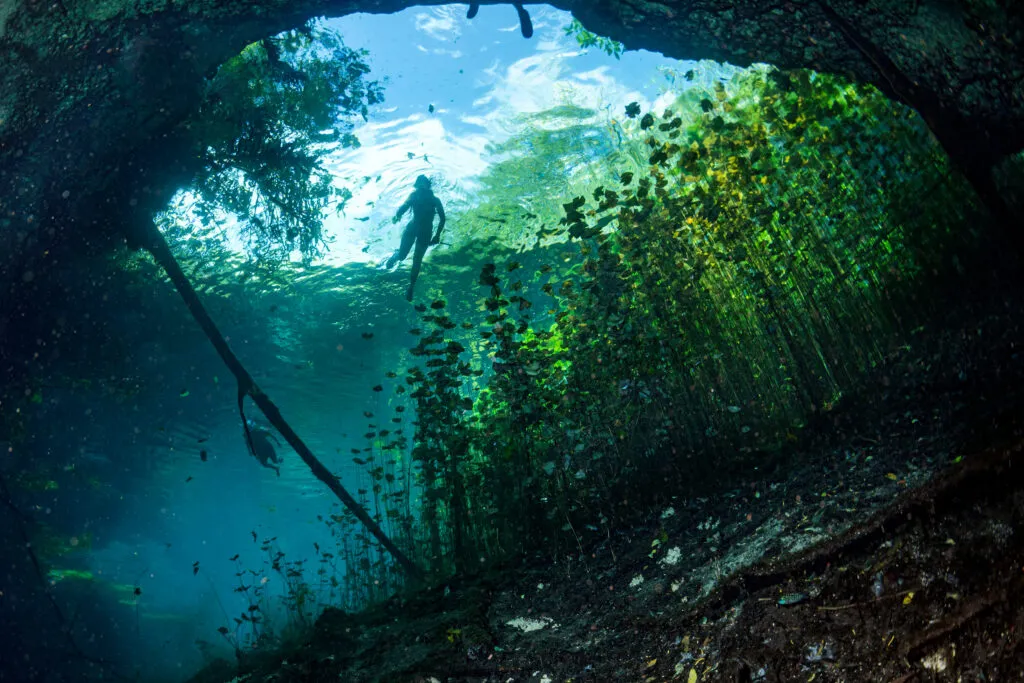
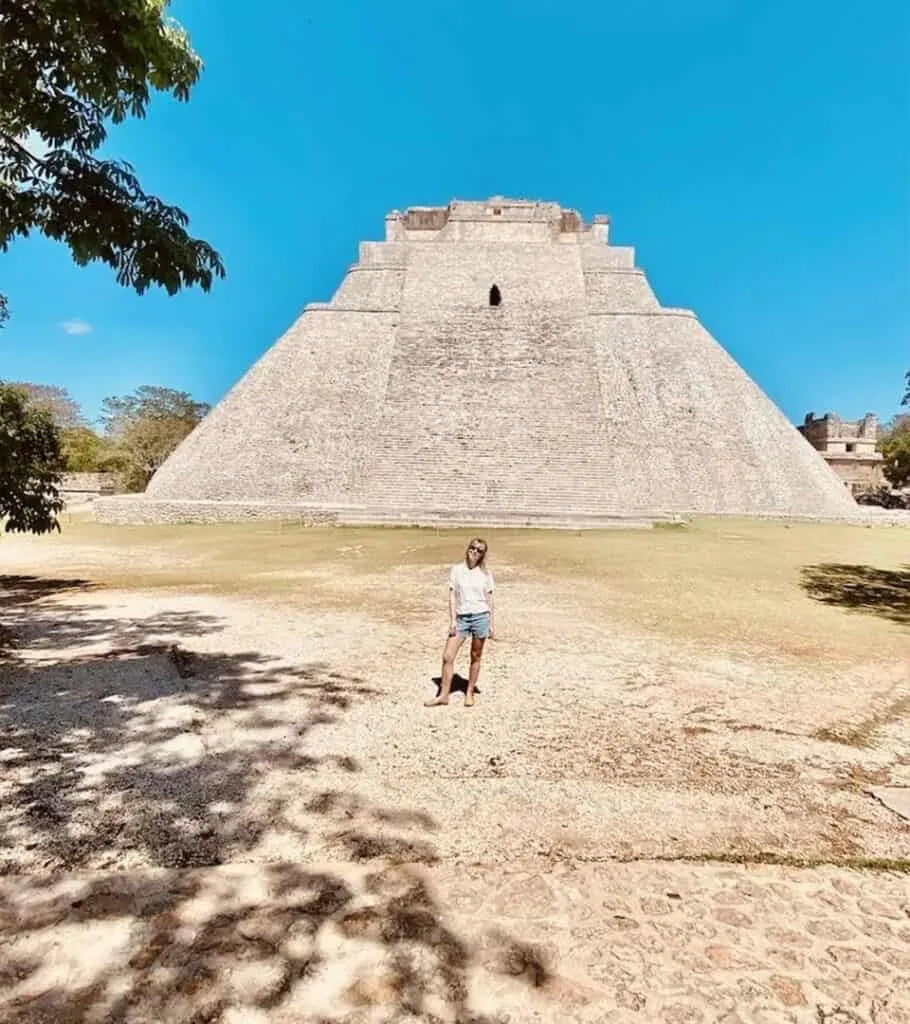
From Mexico City, it’s straightforward to connect to other parts of the country. Fly east to the Yucatán Peninsula, swapping the central highlands for tropical forest, Maya ruins and the Caribbean. Explore the great archaeological sites, swim in cenotes – the freshwater pools and flooded caves that perforate the limestone peninsula – and finish on the coast for a few days of snorkelling and warm Caribbean water.
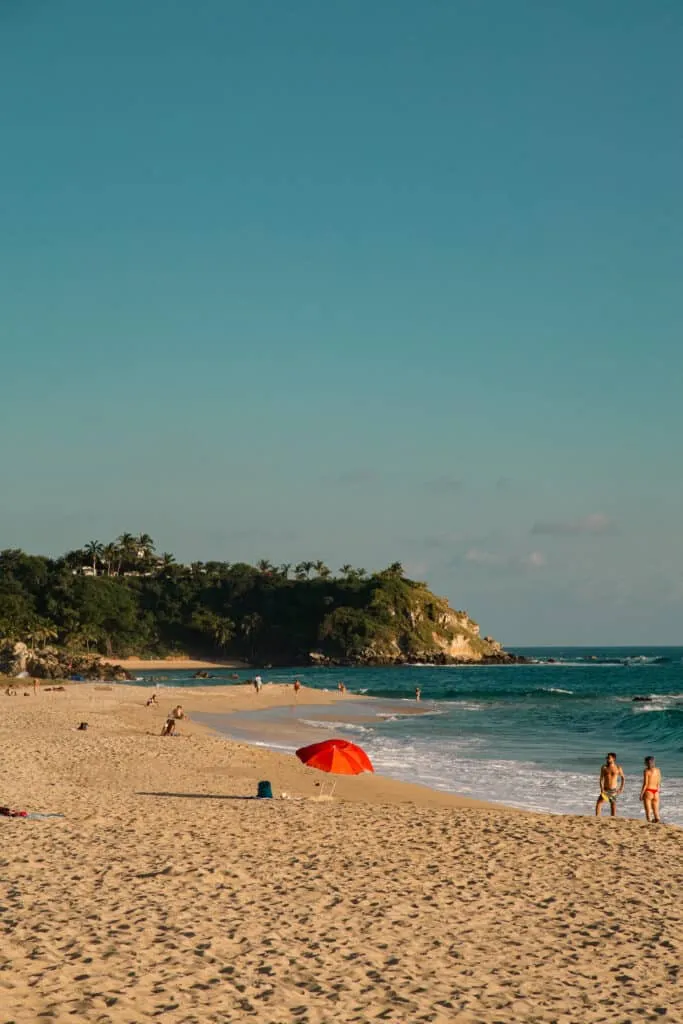
Alternatively, head west to the Pacific, where the Sierra Madre mountains tumble towards long beaches and small fishing towns. The Oaxaca coast has excellent food, wildlife, surfing and laid-back beaches; further north, the shores of Nayarit and Jalisco offer secluded coves, jungle and some of our favourite boutique hotels in Mexico.
Our Approach
The highlands of Morelos and Michoacán are among our very favourite parts of Mexico; our founder, Harry Hastings, considers it one of the richest places he has experienced in the country for living culture and craft traditions. We know the routes, the small hotels worth seeking out, and the local guides, artists and artisans who bring this little-travelled corner of Mexico to life.
All of our trips are built from the ground up, designed around how you like to travel. We take care of everything behind the scenes, including your private driver, expert local guides, accommodation and access to craftspeople and communities along the way, striking the right balance between time on the road and time to explore. Our team is available round the clock while you travel to ensure the journey feels seamless from beginning to end.
CONTACT US
Bespoke journeys across Latin America and Antarctica, designed by specialists.

Conde Nast Traveler Specialists every year since 2017