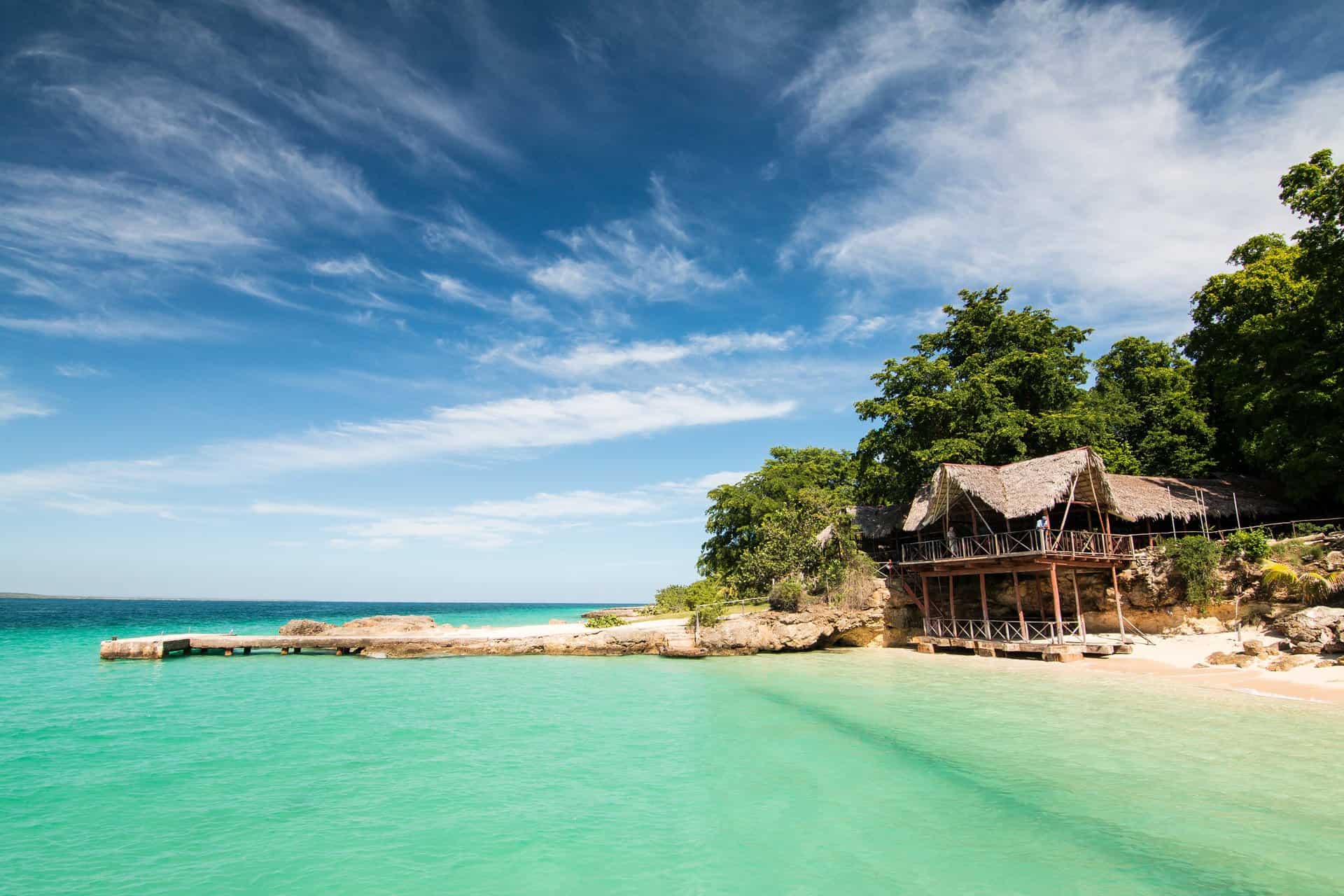

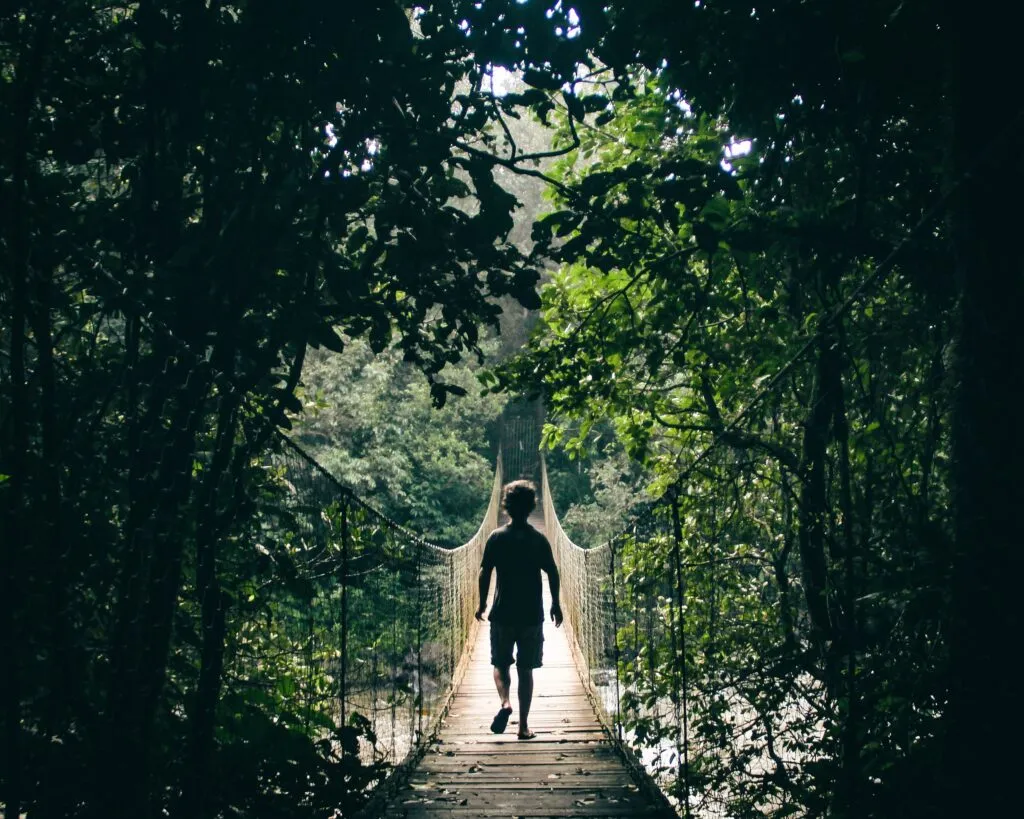
Costa Rica is one of Latin America’s most rewarding places to travel with children – provided you know how to approach it.
At its best, it offers wild rainforest, rivers, beaches and wildlife all within easy reach, with children fully involved rather than watching from the sidelines – wading into rivers, scanning for sloths, clambering into boats and learning as they go.
At its worst, it can feel crowded and overly resort-led, with little sense of the ‘real’ Costa Rica. The difference lies in understanding where to go – and just as importantly, where not to go.
Here, our insider’s guide on how to do it well – from the ages it suits best to the places where its wild spirit shines through.
Why do Costa Rica with kids?
Costa Rica is one of the few places in Latin America where travelling as a family feels both adventurous and relatively straightforward. Smaller than Scotland, the country packs rainforests, volcanoes, beaches and wildlife-rich national parks into a relatively compact footprint. One day might mean spotting sloths in the canopy, the next swimming in warm Pacific waters or walking across lava trails.
For kids, it feels like stepping into a nature documentary. Their eyes will be out on stalks at all the wildlife they can see, from monkeys swinging overhead to scarlet macaws flashing in the trees. It teaches without trying: they might learn how rainforest ecosystems work while standing inside one, or watch conservation happen in real time at a sloth sanctuary.
For parents, logistics are reassuringly simple. It’s well-organised and safe, healthcare is reliable, and travel days rarely feel punishing. Costa Rica is instinctively welcoming to families, and children are accommodated everywhere.
What ages should kids be to travel to Costa Rica?
Costa Rica works comfortably from around six, but it truly comes into its own from eight and up – especially for curious, outdoors-oriented kids. At that age, they can fully engage with guided rainforest walks and wildlife tracking, and they’re old enough to click with the guides rather than simply following along.
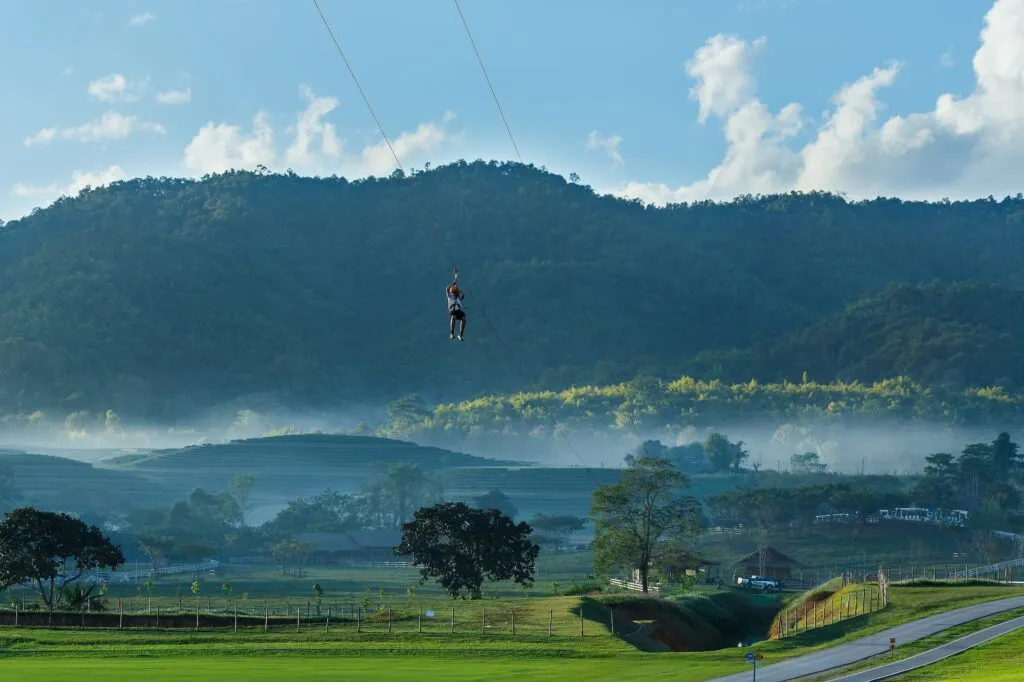
From twelve upwards, the country opens up further. White-water rafting, kayaking, diving and more advanced surfing all become viable. Variety keeps teenagers switched on: high-energy experiences like zip-lining through the canopy, swinging over forest clearings, or rappelling down waterfalls for those who want a dose of adrenalin.
With younger kids, slower trips are best, centred around one or two carefully-chosen locations. Families might decamp to a villa on the beach for a week, with easy access to the activities, flexible days, shorter outings and plenty of downtime. For more ambitious adventures, it pays to wait until they’re slightly older.
How long should families allow for a trip?
Eight days is really the minimum worth doing, allowing you to experience a couple of regions: a few days in the rainforest, then time on the beach. You won’t see everything, but it offers a strong introduction, and often sparks the desire to return.
Ten to fourteen days makes for a far more satisfying first trip. There’s time to combine two or three distinct areas without constantly moving on, and to strike a proper balance between active days and downtime. Especially with children, that space between experiences makes a noticeable difference.
For families with longer to play with, we can design trips over several weeks, moving between forest, highlands and coast. Private houses come into their own here, with the freedom to settle in, revisit favourite spots, and let kids build confidence in new surroundings.
Which regions lend themselves best to family travel, and why?
Rather than follow the well-worn La Fortuna-Arenal-Monteverde circuit, we prefer to steer travellers towards Costa Rica’s quieter regions, where the landscapes feel wilder and the experiences less choreographed.
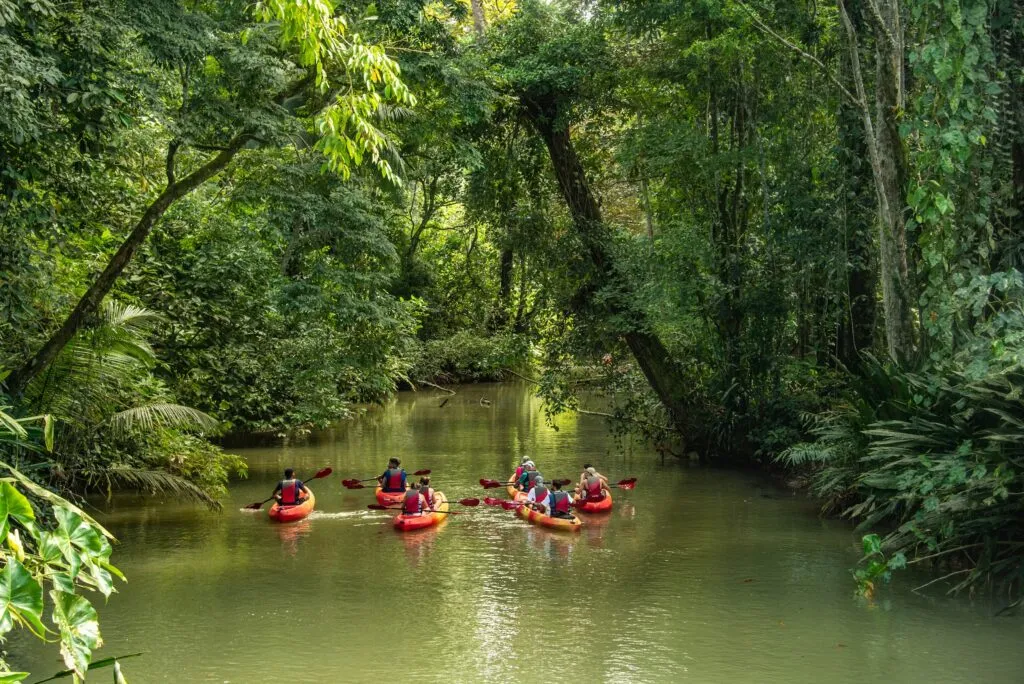
For biodiversity, nothing touches the Osa Peninsula – the wildest and remotest corner of Costa Rica, down on the Panamanian border, where vast tracts of untouched rainforest meet the warm waters of the Golfo Dulce. Hike through Corcovado National Park looking for sloths and birdlife, or paddle canoes through mangroves; offshore, mega pods of dolphins and humpback whales bask in the bay. After dark, the gulf reveals another side, with bioluminescence flickering below the surface.
In the Central Valley, you’ll find a cooler climate, with coffee fincas, sugarcane fields and small villages dotted across the landscape. Rafting on the Pacuare River is a highlight – regularly ranked among the world’s best, with class III rapids cutting through deep forest and canyons.
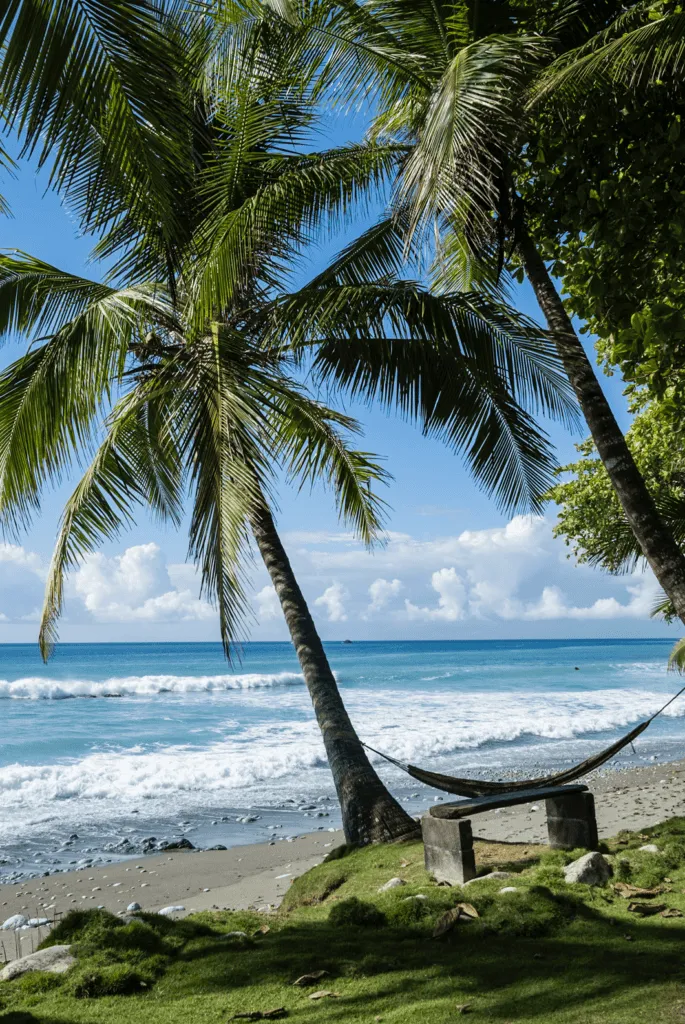
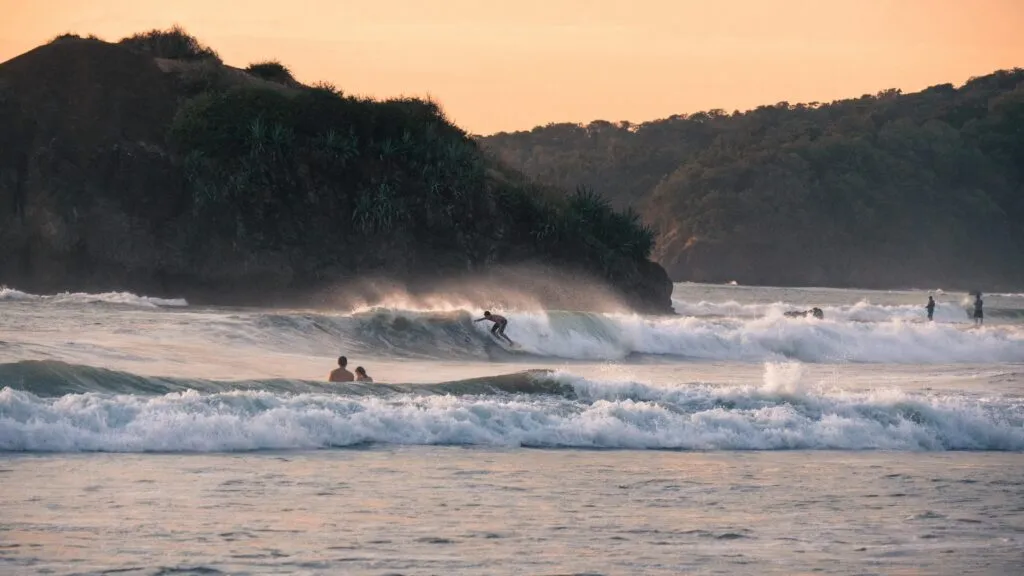
For beach time, head to the Nicoya Peninsula. The mellow little surf town of Santa Teresa has an easy rhythm, a great restaurant scene, and a handful of well-run boutiques and private villas that suit families. Kids can snorkel with a dazzling array of marine life, learn to catch waves with a pro, ride along white sand beaches, and hang out with a menagerie of animals at Cabo Blanco National Park.
Where should families stay?
More often than not, we prefer smaller, privately-run properties that are flexible around family life – relaxed meal times, guides that understand how kids travel, and plenty of space to roam.
One favourite is Golfo Dulce Retreat, on the Osa Peninsula. The Master Suite can be arranged as two bedrooms, and the family that run it have children of their own, so know how to gear the experience towards younger travellers – plenty of time outdoors and a practical introduction to life in the rainforest.
Pacuare Lodge sets the standard for high-end ecolodges. Reached by raft (for which there’s a minimum age of 12), hiking, wildlife spotting, and explorations of the canopy and canyon are the order of the day.
On the coast, Santa Teresa has a handful of boutiques such as Nantipa and Fermata that suit families, and some exceptional private properties for multi-generational trips – including a sensational estate on a 1,700-acre private peninsula, with four miles of beach, tennis, and riding.
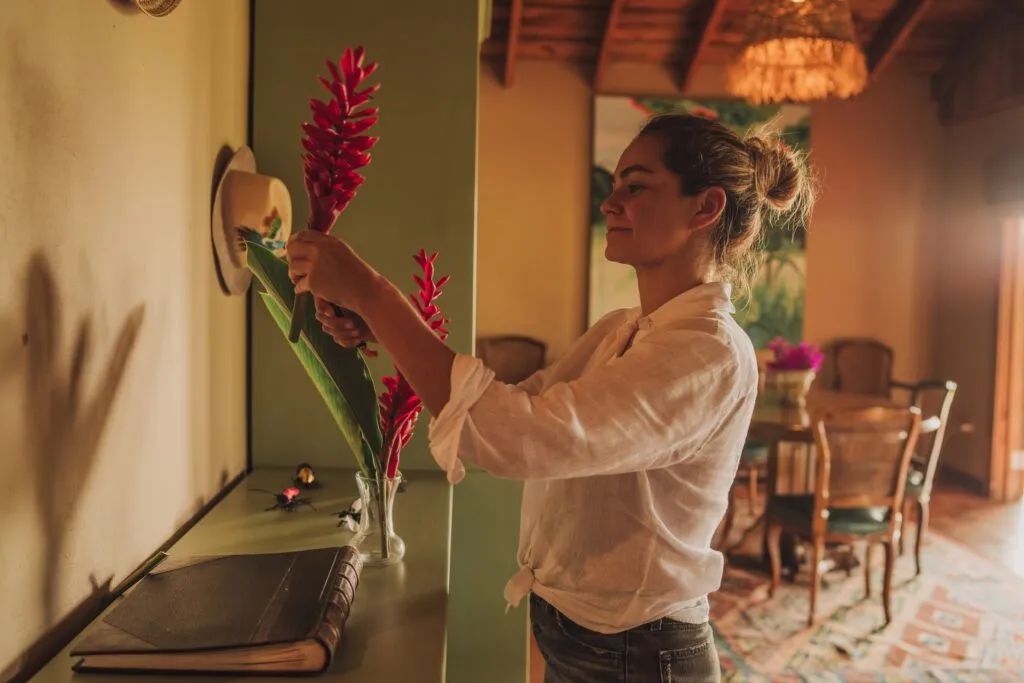
Our secret weapon, though, is Hacienda Montezuma. A private cattle ranch, it’s hard to beat for children drawn to the outdoors. There’s riding, rafting and fishing along the river, wildlife spotting with the conservation team, campfires, and stargazing to fill the evenings. Floriana, the owner, is a star act and the perfect host.
How do we get around Costa Rica?
Getting around is refreshingly straightforward. Most trips rely on a mix of private drivers and short domestic flights, linking rainforest, coast and highlands. Journeys that might take four or five hours by road shrink to under an hour in the air. Where longer drives are unavoidable, we turn them into part of the adventure with a stop at a private hacienda, or a short hike and waterfall picnic along the way.
Self-driving also works well for those who prefer the independence, and is no more complicated than driving in much of Europe. We arrange comfortable SUVs with child seats or boosters ready on collection.
For families who prefer to fly privately, we favour well-operated light aircraft, always with twin engines and two pilots. Most regional airstrips are not lit, so domestic flights – including private charters – operate in daylight hours only.
When is the best time to go to Costa Rica – is there a ‘sweet spot’?
Costa Rica only has two seasons. The dry months from December to April bring the most settled weather – and the biggest crowds. March is particularly busy with US spring break, while Christmas, New Year and Easter require serious forward planning – often a year ahead for the most in-demand places. At these times, we steer well clear of busier pockets, and smooth logistics via fast-track airport arrivals.
From May to November, most of the country shifts into its ‘green’ season. Rain is part of the picture but rarely dominates the day (there are no monsoons here). Mid-April and November tend to be a sweet spot – fewer visitors, better availability, and lush green landscapes. National parks are noticeably quieter, and wildlife more visible.
July brings a ‘mini dry season’ on the Pacific coast, overlooked by most travellers; September and October are best avoided there due to heavy tropical rains, but the Caribbean coast is typically drier at this time.

How should families prepare before going – what’s on the packing list?
Pack simply – Costa Rica is relaxed, and you’ll spend most of your time outdoors.
A pair of good walking shoes with proper grip is essential, in case it’s muddy – one reliable pair will see you through the whole trip. A lightweight rain jacket is equally useful for cool evenings, rain showers, and boat rides.
Quick drying clothing works far better than denim or anything heavy. It’s a tropical country, with a lot of humidity, especially in the national parks – so you want clothing that isn’t going to be wet all day. Most good properties can handle laundry easily so there’s no need to overpack.
A small medical kit often comes in handy, along with plenty of (reef-friendly) sunscreen. Guides usually carry umbrellas and binoculars, so there’s no need to bring them, though keen birders may prefer their own.
Where should families visit alongside Costa Rica?
To the southeast, Panama shares Costa Rica’s wildlife and beaches, but adds a different energy – the canal, Panama City’s pretty colonial quarter, and a confident music and dining scene. It also opens up long-haul air links that Costa Rica doesn’t always offer.
Over the northern border in Guatemala, Antigua’s colonial centre is unlike anything in Costa Rica, while Lake Atitlán and the Mayan ruins of Tikal bring in Central America’s pre-Hispanic history.
For families looking for something more rootsy, Nicaragua has similar wildlife and ecosystems to Costa Rica but is far less developed. There’s culture in the gorgeous colonial city of Granada, hiking through the cloud forest of Mombacho volcano, coffee farms, trekking and kayaking on Ometepe Island.
CONTACT US
Speak to our specialists to begin planning your next family adventure.

Conde Nast Traveler Specialists every year since 2017