
WELCOME TO Refugia Chiloé
A modern timber-and-glass retreat set on Chiloé’s eastern shore, overlooking Pullao Bay and the islands of the inland sea.
The architecture takes its cues from Chiloé’s palafitos, the colourful timber houses raised on stilts along the shoreline. Inside, huge windows pull the landscape into almost every room, fireplaces burn in the communal spaces, and Chilote textiles and artwork bring colour to the otherwise restrained interiors.
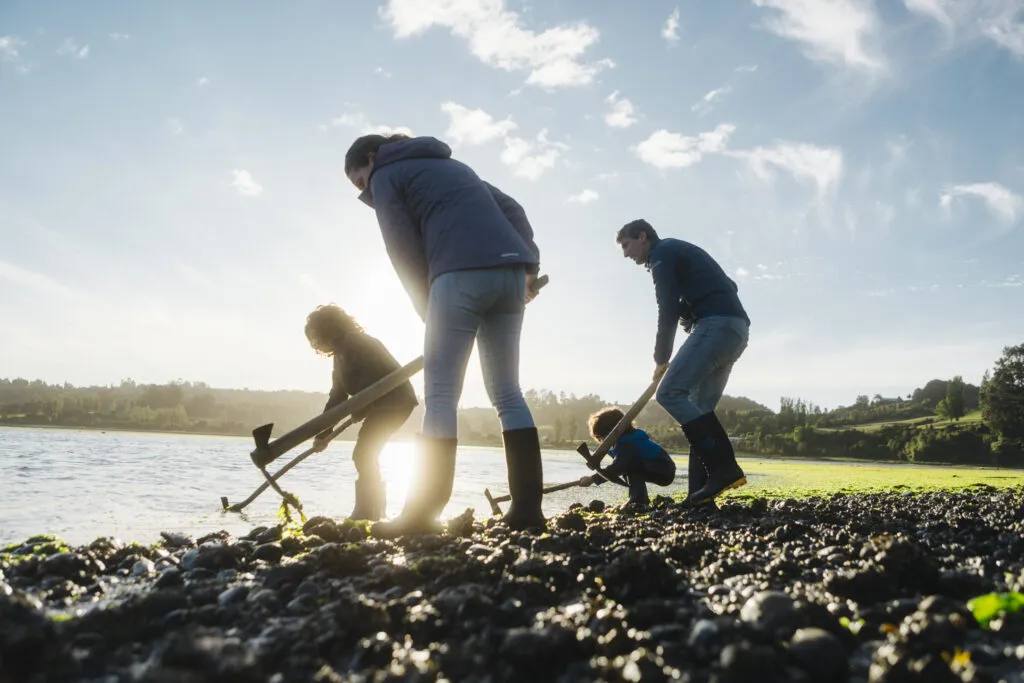
It makes an excellent base for getting under the skin of the archipelago. On land, explore temperate rainforest and coastal wetlands, and visit markets, farms and Chiloé’s UNESCO-listed wooden churches. On the water, head out by boat, kayak or paddleboard, visiting small islands and fishing communities, and spotting marine life and rare birdlife.
What we love about Refugia Chiloé
- The striking architecture of the lodge, crafted in the style of the palafito stilt houses.
- The panoramic views over the east coast of Chiloé and the nearby islands, maximised by the floor-to-ceiling windows in the communal living area.
- The cosy touches you’ll notice throughout the lodge – little woollen slippers left on your bed, the lobby with fireplaces and blankets, colourful works of art and textiles by local artists, and the soft furnishings made from local wool.
- The spa features an outdoor infinity pool, an indoor pool, a sauna, and a steam room – a great way to relax your muscles after a day of hiking in the Ahuenco Park.
- The guides take excellent care of their guests, offering recommendations for excursions. You’ll feel right at home here.
- The curanto is a highlight – a Chilote tradition that involves slow-cooking choritos, potatoes, sausages, chapaleles, and milcaos on hot rocks in an earth oven.
What to do at Refugia Chiloé
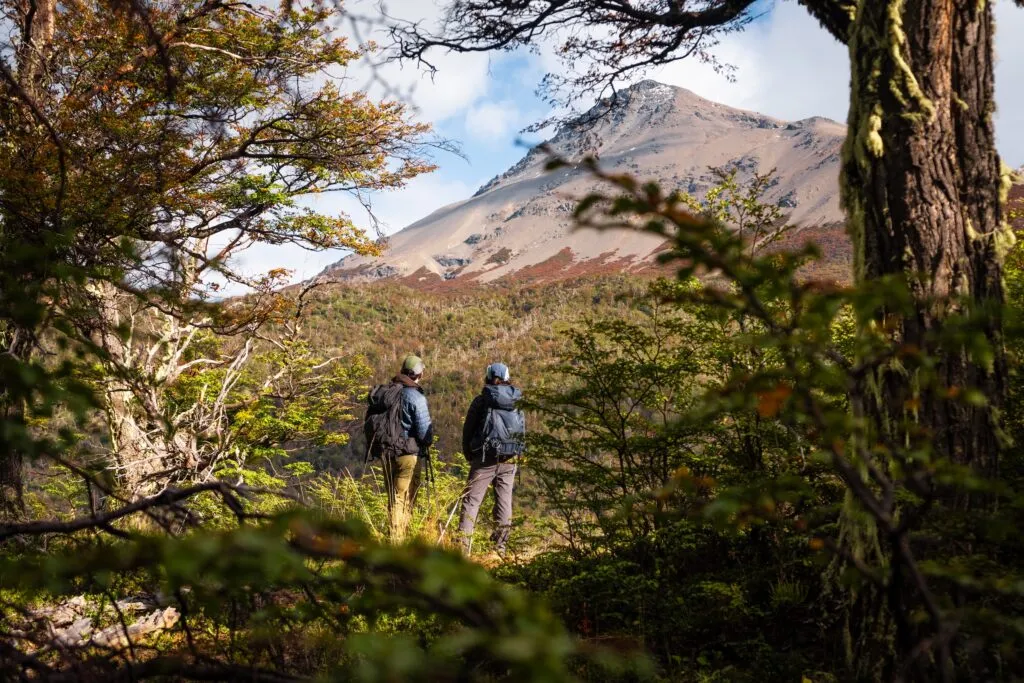
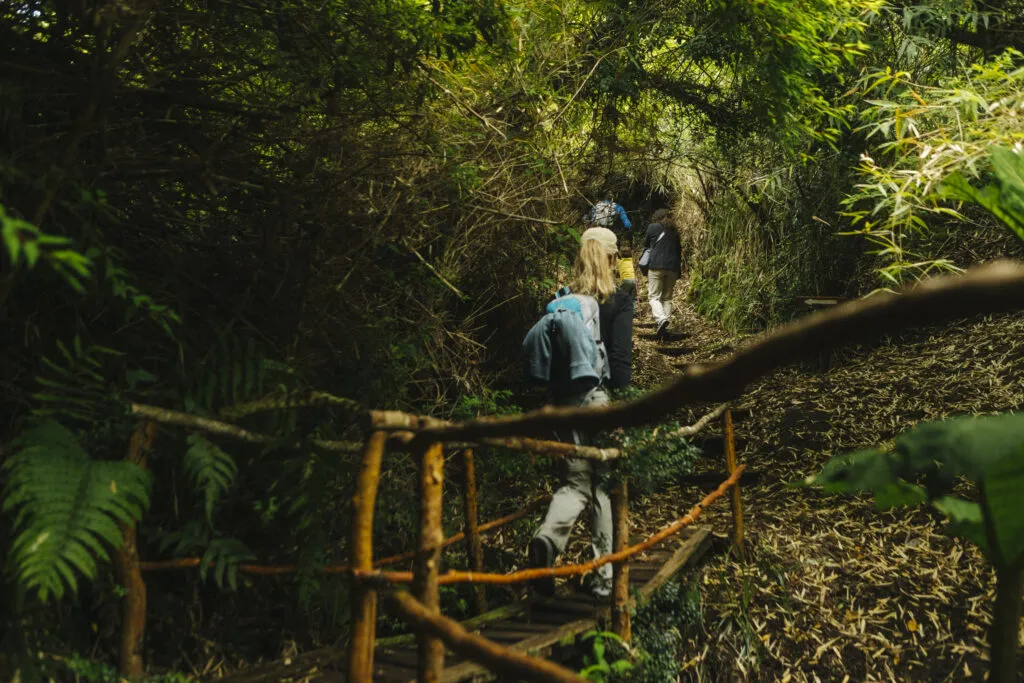
Hike through the temperate rainforest of Tepuhueico Park, home to coigüe, arrayán and Guaitecas cypress, with the chance to spot pudú deer, Darwin’s frogs and the elusive kodkod.
Follow the 10km Duhatao–Chepu trail from the Pacific coast through native forest to a deserted beach, returning by boat through the Chepu River’s sunken forest. In Ahuenco Park, a longer 16km hike leads through forest to the Pacific, where Magellanic and Humboldt penguins breed between November and March.
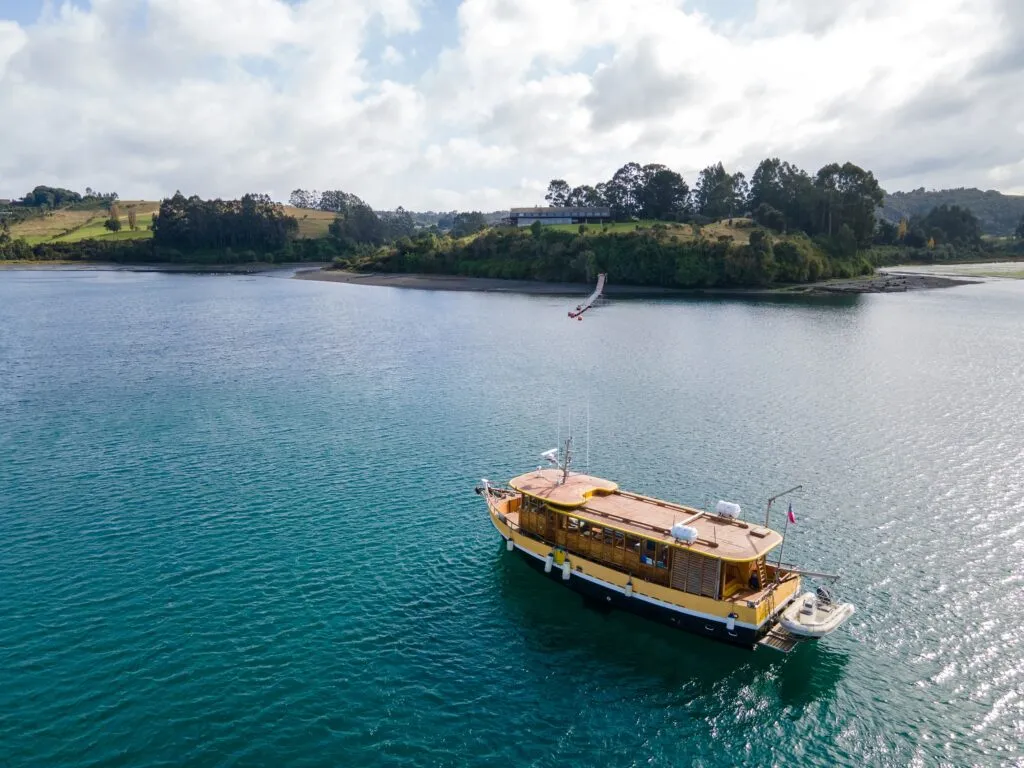
Head out aboard Refugia’s locally built wooden boat, Williche, to explore the smaller islands and channels of the archipelago, looking out for dolphins, seabirds and marine life along the way. Cross to Quinchao Island for Achao’s UNESCO-listed wooden church and artisan market, followed by a visit to a local farm growing Chiloé’s native potatoes and giant garlic. In Castro, browse Yumbel Market for seafood, woven baskets and hand-knitted textiles, and see the city’s brightly painted palafitos and UNESCO-listed Church of San Francisco.
Back at the lodge, check out the daily catch options like mussels and sea urchins sourced from the local fishing community. Pair your meal with a glass of Chilean Sauvignon Blanc or one of the inventive cocktails. Make sure to try the signature Nalca Sour cocktail, a twist on the traditional pisco sour using local Ulmo honey made from flowers of a native tree found only in Southern Patagonia.
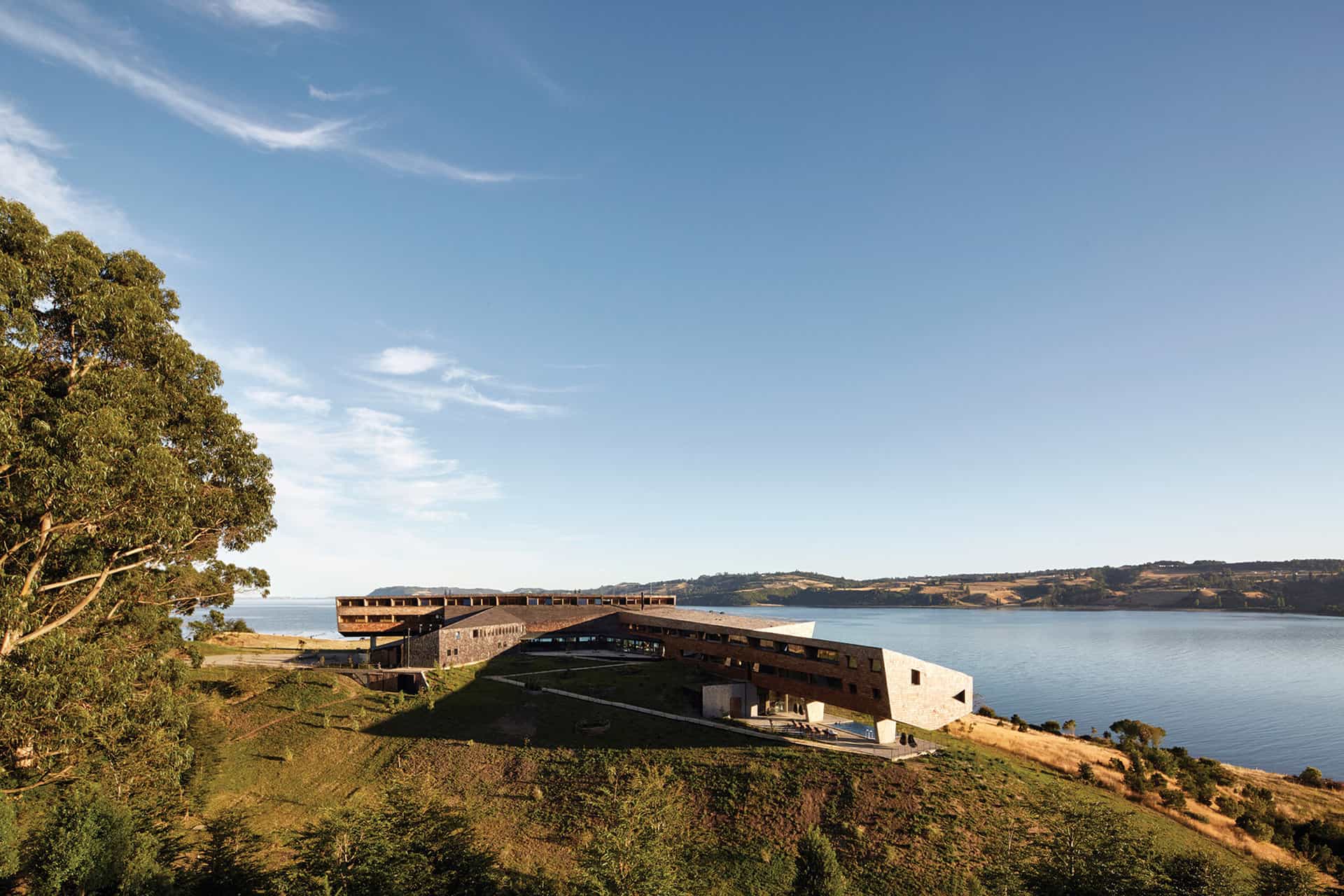
Tierra Chiloé is located on Chiloé Island in Chile, Castro, the island’s capital, is a half-hour drive from the hotel and there are direct flights from Castro’s airport to Santiago. For more flight options, Puerto Montt in the Lake District is approximately three hours away, requiring a ferry journey. The lodge sprawls across 25 acres and blends adventure, luxury, and retreat, offering an outstanding all-inclusive experience in this remote part of Chile.
When to Travel
Refugia Chiloé is open from spring to the end of autumn (October to May). The best time to visit Chiloé Island is during the summer months, from December to February. This region often experiences rainfall. December to March are the driest months, but rain is still likely so be sure to pack your raincoat. February is Chileans’ favourite month for a vacation, so the islands may be busier during this month. Heavier rains are more common from March to May, with fewer tourists expected.
ENQUIRE NOWCONTACT US
Private journeys to Latin America and Antarctica, designed by specialists.

Conde Nast Traveler Specialists every year since 2017