
From the volcanic shores of the Galapagos to the icy waters of Patagonia, Latin America offers some of the greatest wildlife encounters on the planet.
This is a region where pumas roam freely outside your window, where sloths doze in the jungle canopy, and where the world’s largest wetlands teem with life.
Below, we share our favourite ways to explore Latin America’s wild side – with expert naturalist guides, private access, and stays that place you right at the edge of the action.

1. Walk among giant tortoises in the Galapagos
Six hundred miles off Ecuador’s coast, the Galápagos Islands are one of the world’s great wildlife frontiers – and the giant tortoise, their most enduring presence. With lifespans that often reach a century or more, generations have passed around them.
Santa Cruz Island is home to around 3,500 tortoises, roaming freely across farms, forests, and protected reserves. Visitors can walk among them as they move between feeding grounds, muddy hollows, and patches of shade. Encounters are possible year-round, with the dry season (June to November) bringing greater numbers to the cooler highlands.
Where to stay: Most travellers island-hop from a boutique expedition yacht or catamaran, accompanied by naturalists who lead daily landings and wildlife walks. Staying on land brings more spontaneous encounters: we love Galapagos Safari Camp, which sits in prime tortoise territory.
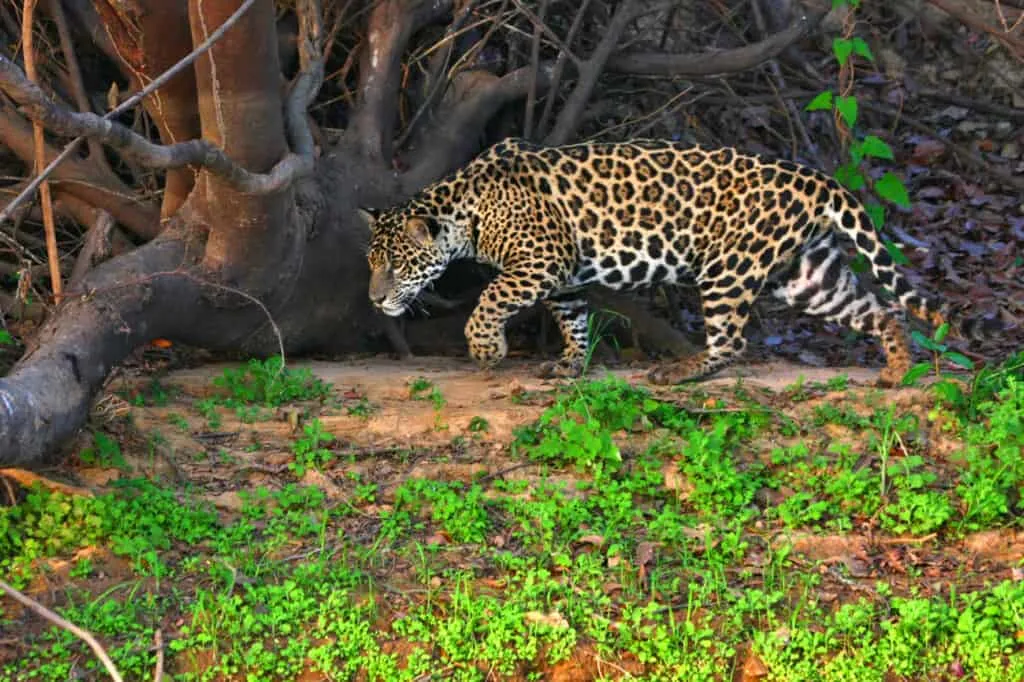
2. Track jaguars in the Pantanal
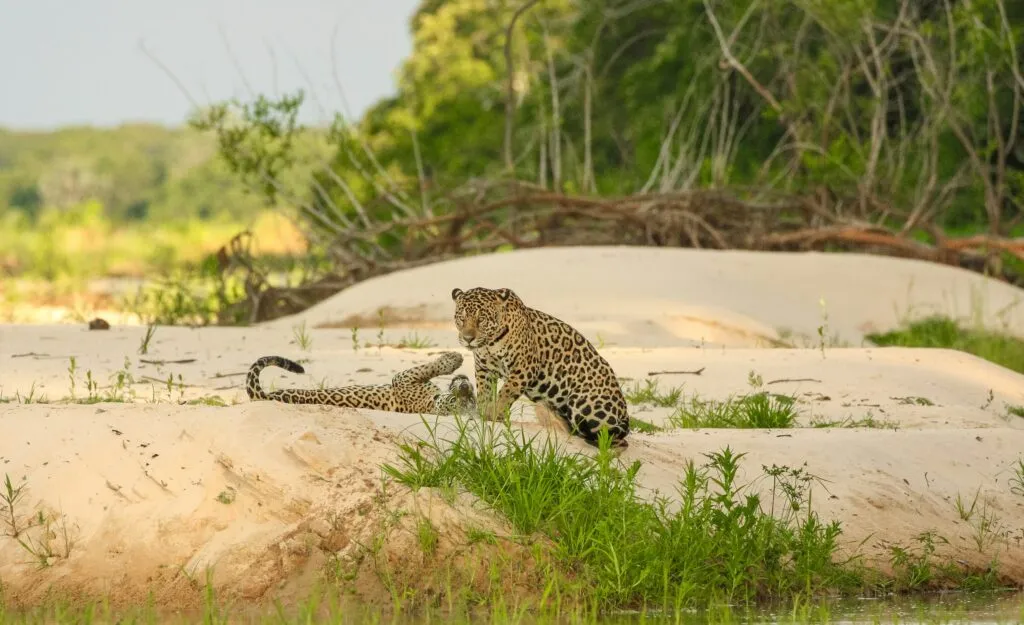
The jaguar is the most closely watched resident of the Pantanal, the world’s largest tropical wetland in western Brazil. Nowhere else in the Americas offers such consistent opportunities to see the species in the wild, often in daylight, as they move along riverbanks or rest in the shade above the waterline. Tracking is typically done by boat, scanning the banks for movement, paw prints, or unusual quiet.
During the dry season (May to September), water levels fall and wildlife concentrates along rivers and lagoons, bringing jaguars into clearer view alongside capybara, caiman, and a remarkable diversity of birdlife.
Where to stay: Caiman Lodge, which sits within a private reserve and has become a reference point for jaguar tracking and conservation through its partnership with Onçafari.
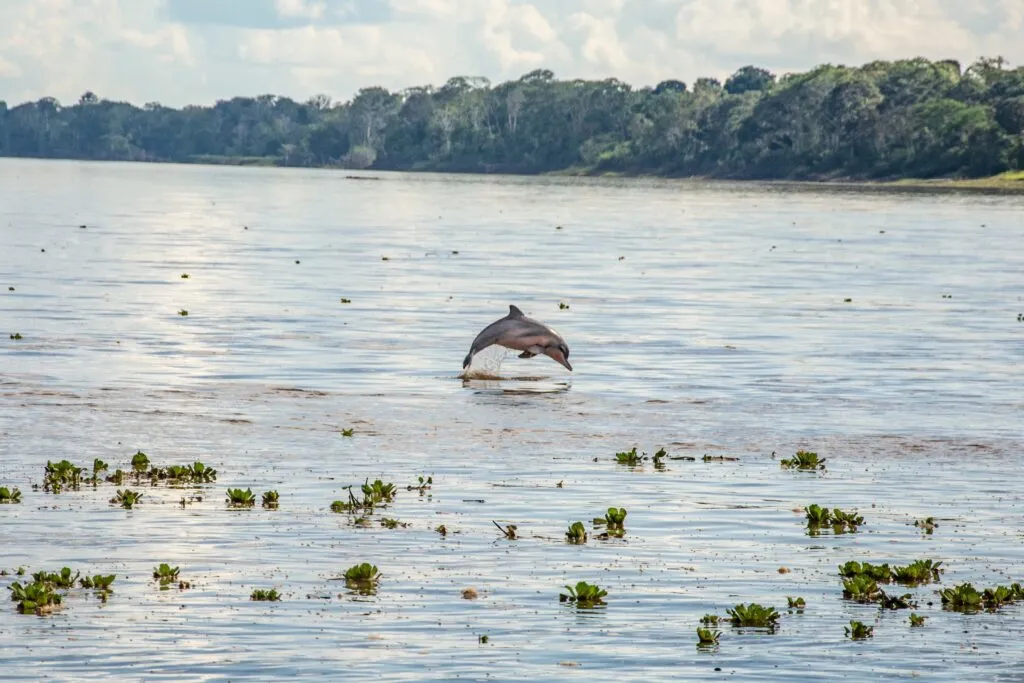
3. Swim with pink dolphins in the Amazon
Pink river dolphins, known locally as ‘botos’, make their home in the freshwaters of the Amazon. Larger and more flexible than their ocean-dwelling relatives, they have evolved to navigate flooded forest, using elongated snouts and highly mobile necks to move between submerged trees and narrow channels. They are best seen travelling slowly through dolphin territory by riverboat – watching them from deck, paddling alongside them by kayak, or entering the waters with them.
Peru’s Pacaya Samiria National Reserve is the place to spot them. During high water, dolphins travel deep into this vast wetland of blackwater rivers and flooded forest, often appearing unexpectedly beside skiffs. They can also be sighted along Brazil’s Rio Tapajós, near Alter do Chão – often called the Caribbean of the Amazon due to its pale sandbanks and unusually clear waters.
Where to stay: In the Peruvian Amazon, Delfin Cruises’ small riverboats travel the remote tributaries of Pacaya Samiria. In the Brazilian Amazon, we like Kaiara Cruises.

4. Track pumas in Patagonia
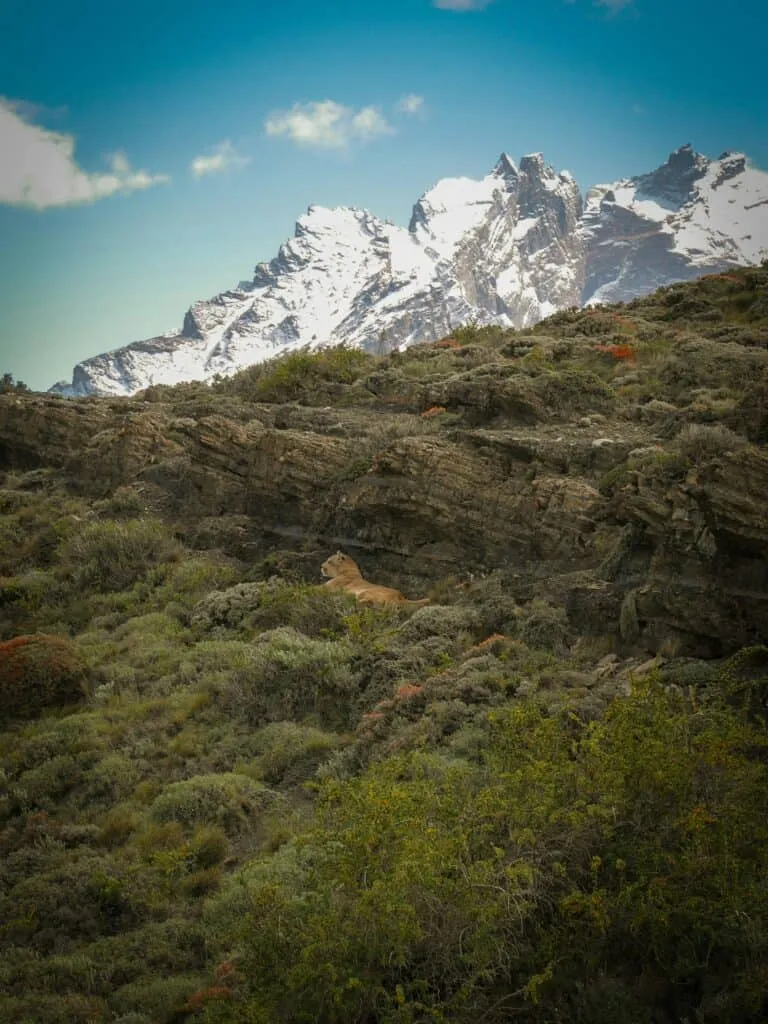
The windswept steppe around Torres del Paine is one of the few places on earth where pumas can frequently be seen. Long-term conservation efforts have allowed their numbers to rebound, and sightings of these powerful cats are now common, often at surprisingly close range.
Puma tracking is done on foot or by 4×4 with a specialist private guide, who reads the landscape closely. Travellers can take part in excursions with scientists and researchers to observe a range of species in their natural habitat, including puma tracking and monitoring camera traps.
Where to stay: Awasi Patagonia, which sits on a private reserve bordering Torres del Paine National Park, and has long supported puma research and conservation through its own foundation. Guests have their own private guide and vehicle to explore, and pumas are often seen passing by guests’ villas on their way back from hunting at night.
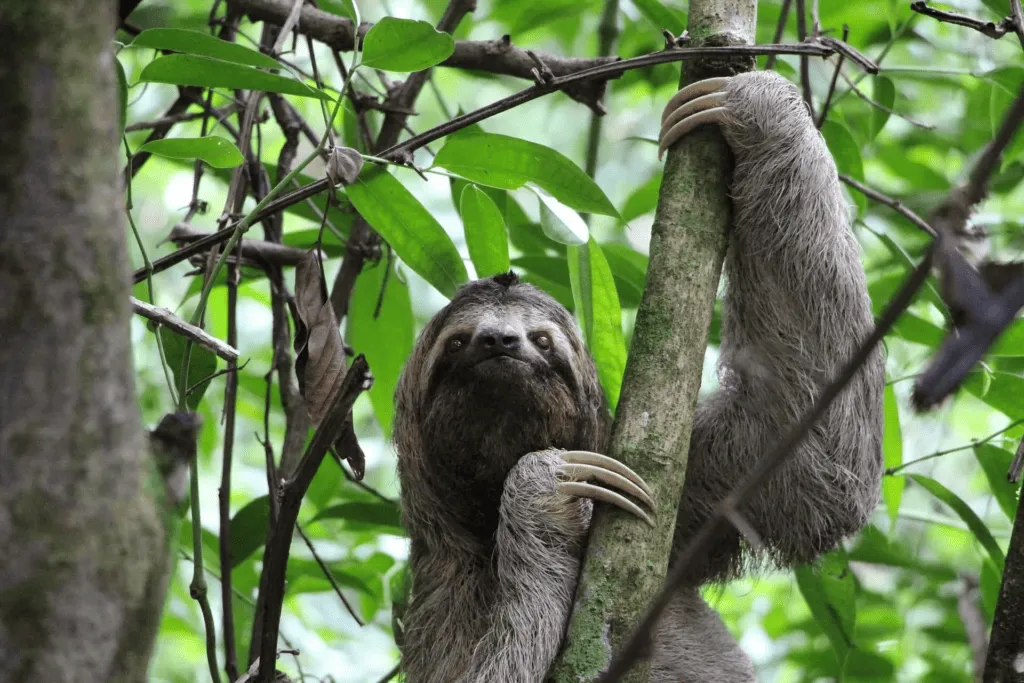
5. Search for sloths in Costa Rica
Sloths are among Costa Rica’s most recognisable animals, yet can be surprisingly tricky to see. The country is home to two species, the Hoffmann’s two-toed sloth and the brown-throated sloth; sighting them requires intact forest and time spent on foot with guides who know where to look.
Head to the Osa Peninsula, the wildest corner of the country, for unrivalled sloth spotting. This slim finger of rainforest is home to an astonishing concentration of wildlife, with two and three-toed sloths found living high in mature trees, along forest edges or close to fruiting branches. They can also be seen elsewhere in Costa Rica, including Manuel Antonio, Tortuguero and Santa Rosa National Parks.
Where to stay: Copa de Arbol, a rainforest lodge on the edge of Drake Bay, accessible only by boat. One or two sloths can usually be found hanging around the lodge, and guests can set out with a naturalist guide to explore the surrounding primary forest trails for further sightings.
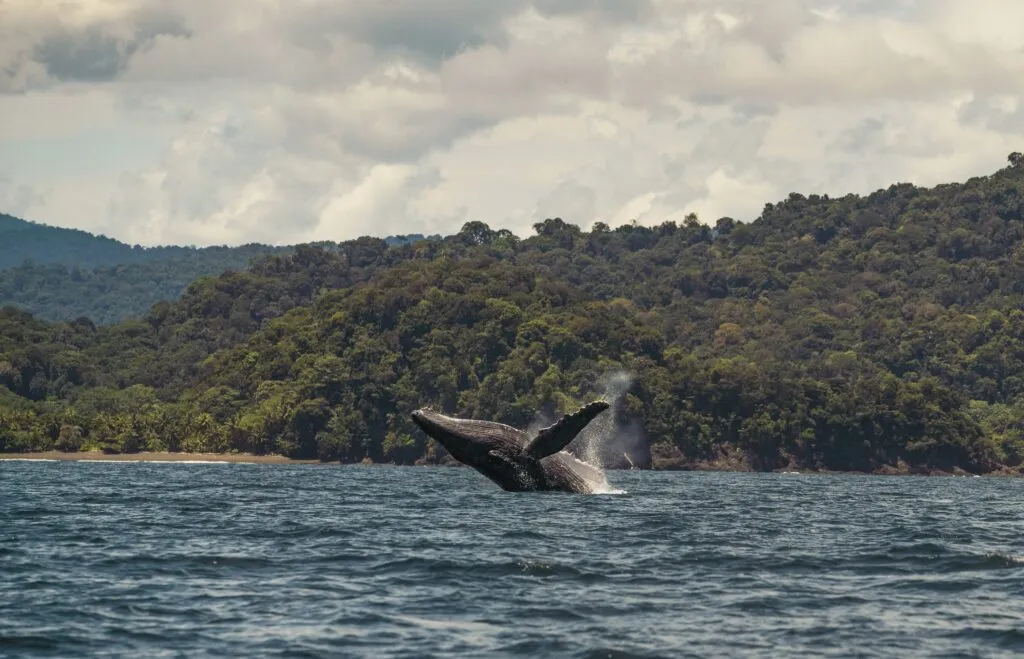
6. See humpback whales breach on Colombia’s wild Pacific Coast
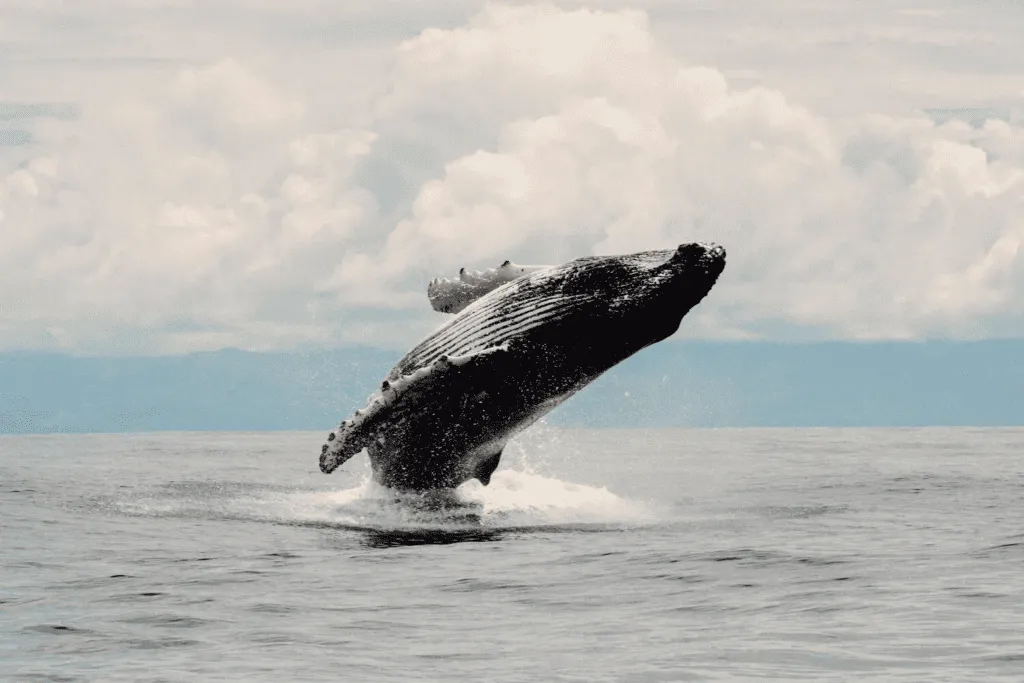
Each year, humpback whales migrate from Antarctica to the Pacific coast of Colombia, drawn by the warm waters where they mate and calve. Between July and October, the coastline of Chocó becomes one of the most reliable – and least visited – places to observe them.
This is whale watching without the infrastructure. Boats set out along a sparsely inhabited stretch of coast where rainforest runs straight to the waterline, where whales surface close to shore, often without warning, breaching and tail-slapping with an energy that feels disproportionate to their size.
Where to stay: We like Morromico – a small, rustic lodge set on a black sand beach on the edge of the Utria National Park, accessed by a 45-minute boat journey. On calm days, whales can be seen directly from the beach.

7. Walk with penguins in Antarctica
In the austral summer, from December to February, Antarctica offers the most concentrated penguin encounters anywhere on Earth. Vast colonies return to the shores of the Antarctic Peninsula to breed, nest, and raise their young against a backdrop of ice and open water, alongside elephant seals, humpback whales and albatross.
Small expedition ships offer the best access, with frequent trips made by Zodiac to land on the peninsula shores, offering the chance to wander amongst thousands of penguins. The adventurous can also explore by kayak or on skis.
Where to stay: Magellan Explorer or its new sister vessel, Magellan Discoverer, are our picks, combining small passenger numbers with an excellent guide-to-guest ratio. For those travelling privately, Hanse Explorer offers an ultra-personalised approach.
—
These encounters are only a fraction of what Latin America holds. From condors soaring above Andean cliffs to turtle hatchlings dashing to the ocean, the region is one of the world’s greatest wildlife frontiers. At Plan South America, we work with scientists, conservationists and local naturalists to design bespoke wildlife journeys that open doors to places few ever reach – always with a lighter footprint.
Start planning your tailor-made wildlife adventureRelated Stories
Jaguar Tracking in the Pantanal
Puma Tracking in Patagonia: The Insider’s Guide
Birding In South America
A Guide to Where to See Wildlife in Mexico
@plansouthamerica