
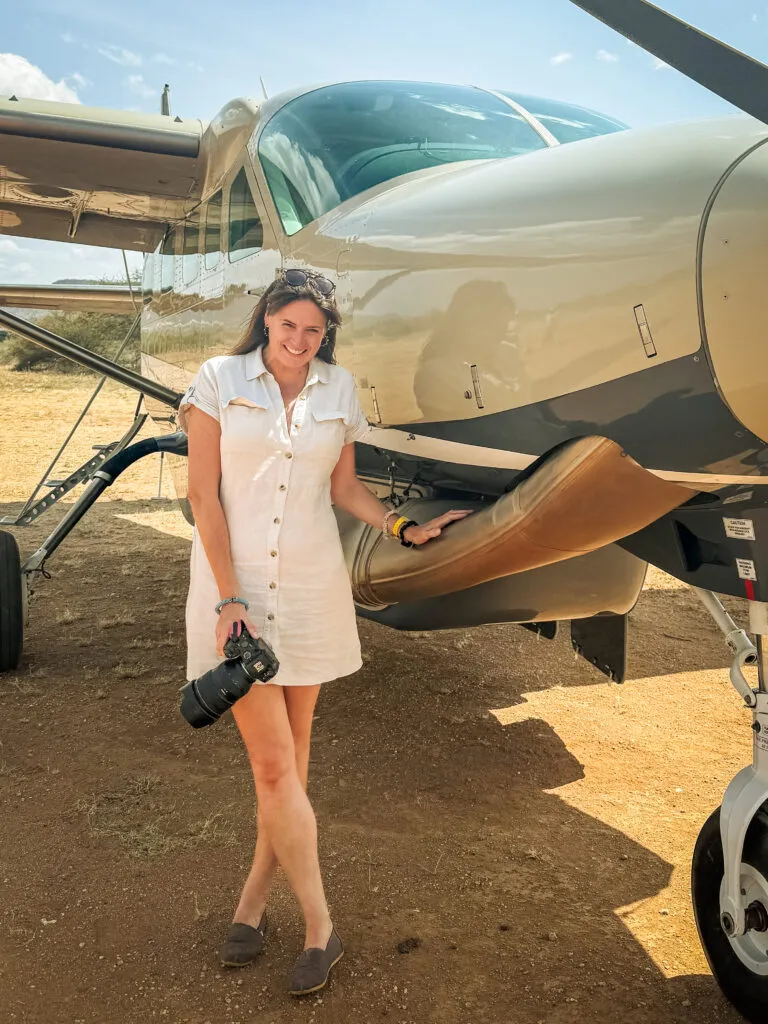
Not afraid to rough it, Anya Campbell’s photography has taken her across six continents, from private islands to deserts and mountains.
She once rode the full 1,000km of the Mongol Derby, photographing it from the saddle, and spent a year behind the scenes with the Household Cavalry, documenting everything from early-morning drills to the 2011 Royal Wedding. She has followed Inuit hunters in Eastern Greenland, and spent a decade as private photographer to the late Aga Khan.
We caught up with her to hear about her recent experience riding with Jakotango in Patagonia, the challenges of photographing from horseback, and the art of turning a journey into something that can last forever.
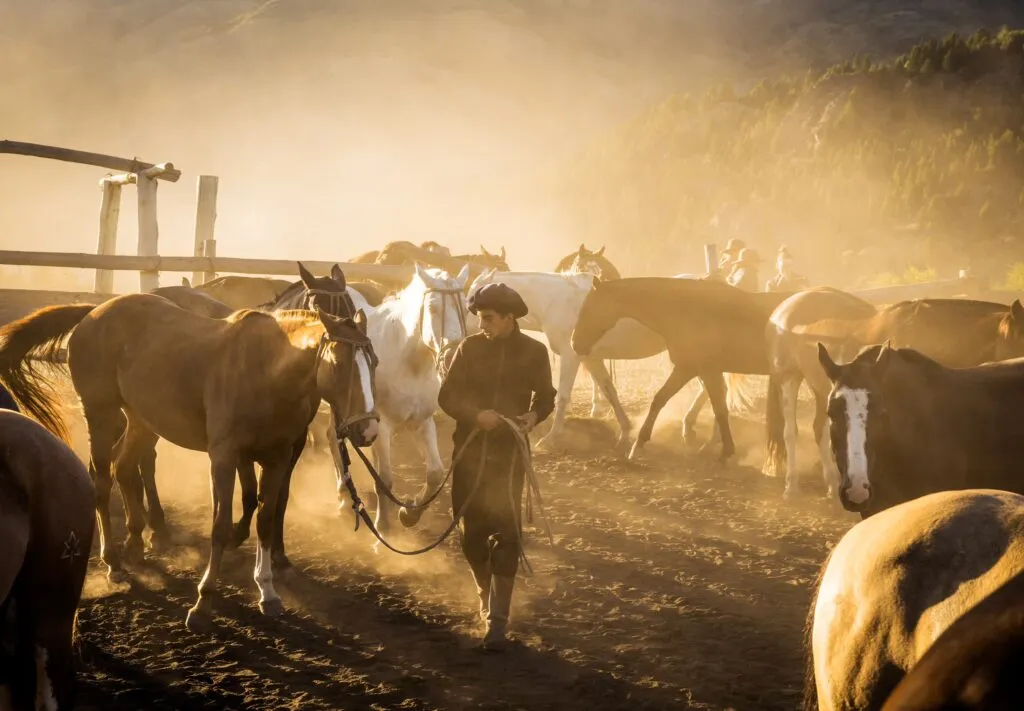
You’ve recently returned from shooting the latest Jakotango ride in Tierra del Fuego. Take us through a typical day for you there.
Friends comment on all the wonderful ‘holidays’ I go on, and think it’s all a breeze. These trips are amazing, but absolutely not a cushy holiday! I’m up at daybreak, photographing the horses coming in with the gauchos in the dusty early morning light. 60% of the images I shoot in a day somewhere like that are at dawn or dusk – they’re very productive hours for me.
I then dash in for a quick bite to eat while finalising plans for the day and packing kit and clothes. While clients enjoy a relaxing breakfast, I’m meeting a new horse I’ve often never sat on and strapping everything down with cable ties. Then, I go and photograph the ride.
On our return, I’m straight off my horse, continuing to photograph. Then there’s just time for a quick shower, to grab supper, put batteries on charge, and back to planning for the following day.
I never stop looking for what catches my eye, in daylight hours and well into the dusk to capture the story. The perfect light doesn’t wait – you have to be ready.
What about for the guests – can you share a typical day in the saddle for them?
Jakotango Base Camp is magical. You wake up to the sound of birdsong, horses grazing, and a wood burner chugging into motion to give its morning warmth, with a leisurely stroll to breakfast on the veranda as the horses are herded in. When you’re ready, you gather your things and go to meet your horse, tacked up and ready to go. Then it’s off for a beautiful ride – to the river, a viewpoint or into the mountains.
Arriving at camp, you step off the horse to a drink waiting. Delicious food and wine flow the evening, with great conversation around the table in a very cool log cabin – they call it a quincho. Then it’s bedtime, snuggled up cosy with a hot water bottle as you listen to the sound of the wildlife outside. On mountain camp nights, its supper around the fire and waking to a huge vista.
A friend of mine, who goes on lots of high-end riding holidays, has just come back saying it was the most amazing trip she’d ever been on.
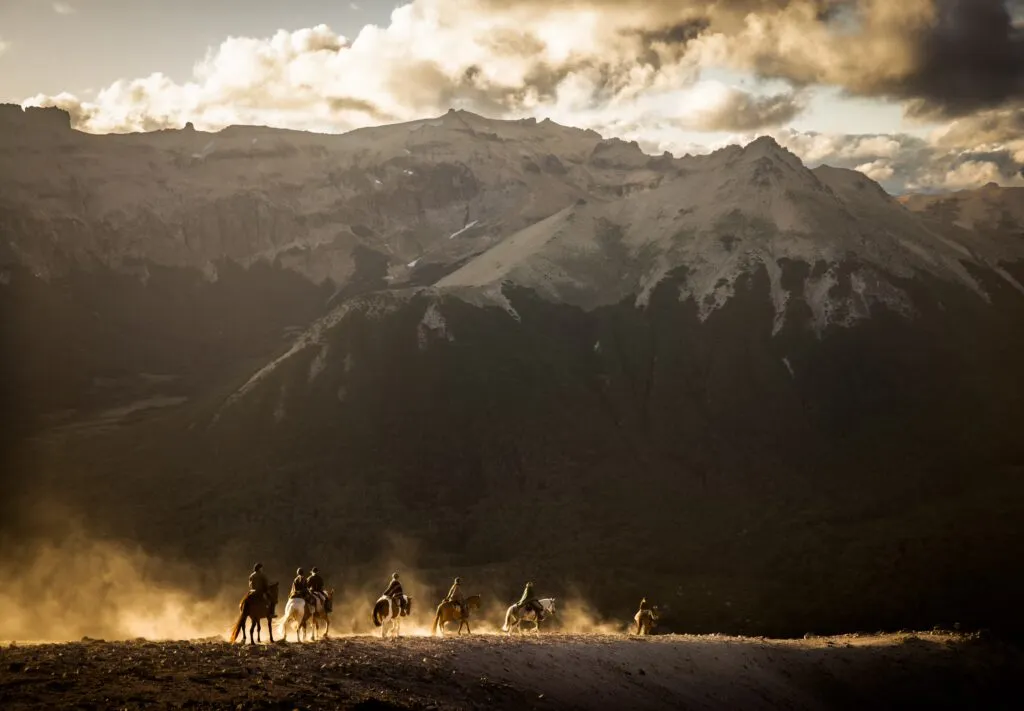
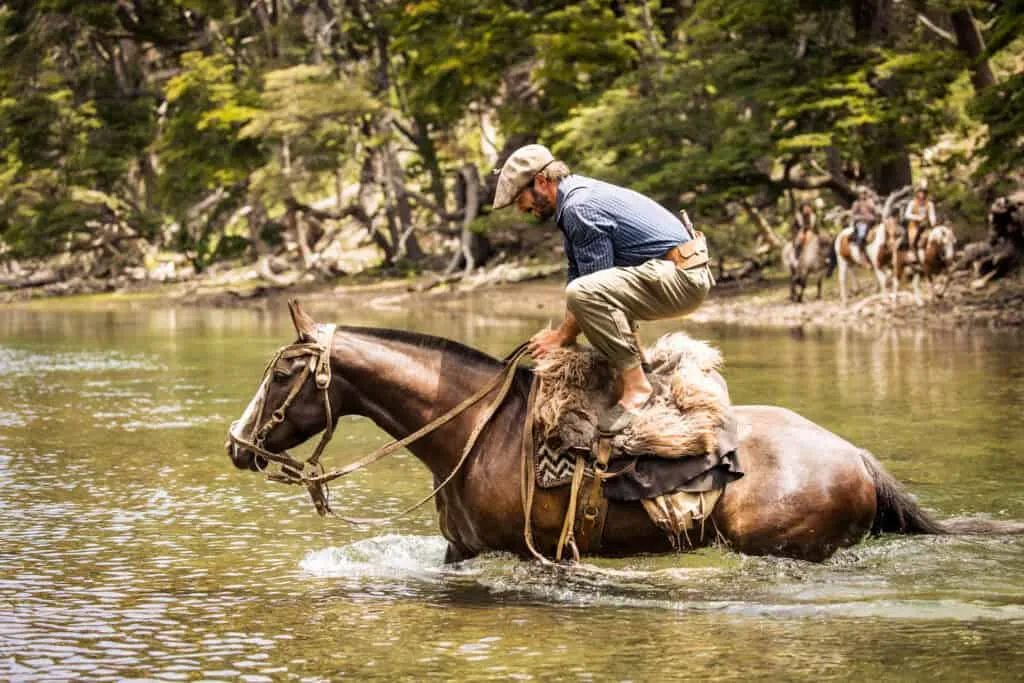
You’re one of the lucky few to have ridden with Jakotango both in northern Patagonia and Tierra del Fuego. Can you tell us how the two rides differ?
The scenery on the northern Patagonia ride is majestic: huge mountains with high passes that make you feel very small. You’re on a beautiful Andean journey – it’s one of the most breathtaking rides I’ve ever done. There are technical parts, traversing ridges with very steep drops, but at a pace that works for all.
What’s most special is the extraordinary bond with your steed. You cross the most unbelievable terrain, which you don’t think is passable by horse – but his horses are so well-trained that they literally just carry you. Then after seven days in the saddle, you take off their tack, let them drink and roll as you set them free.
You get to stand back and watch this obedient friend, who has carried you through the mountains, rejoin their herd and find their own way home. It’s seeing horses for what they really are. The mares lead the geldings – it’s a wonderful ‘back-to-nature’ moment.
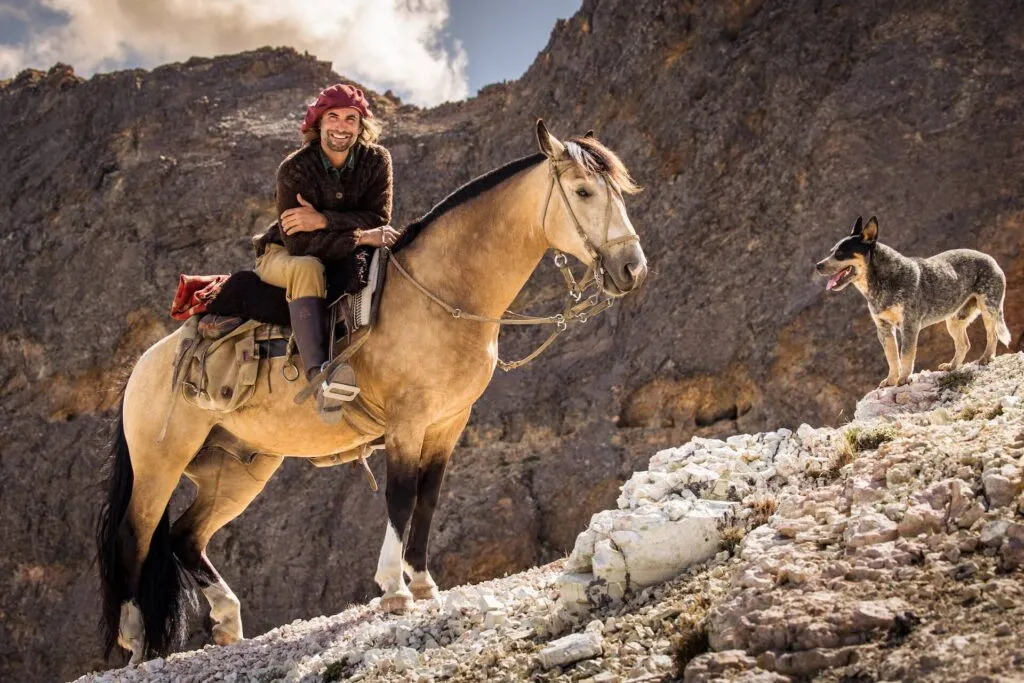
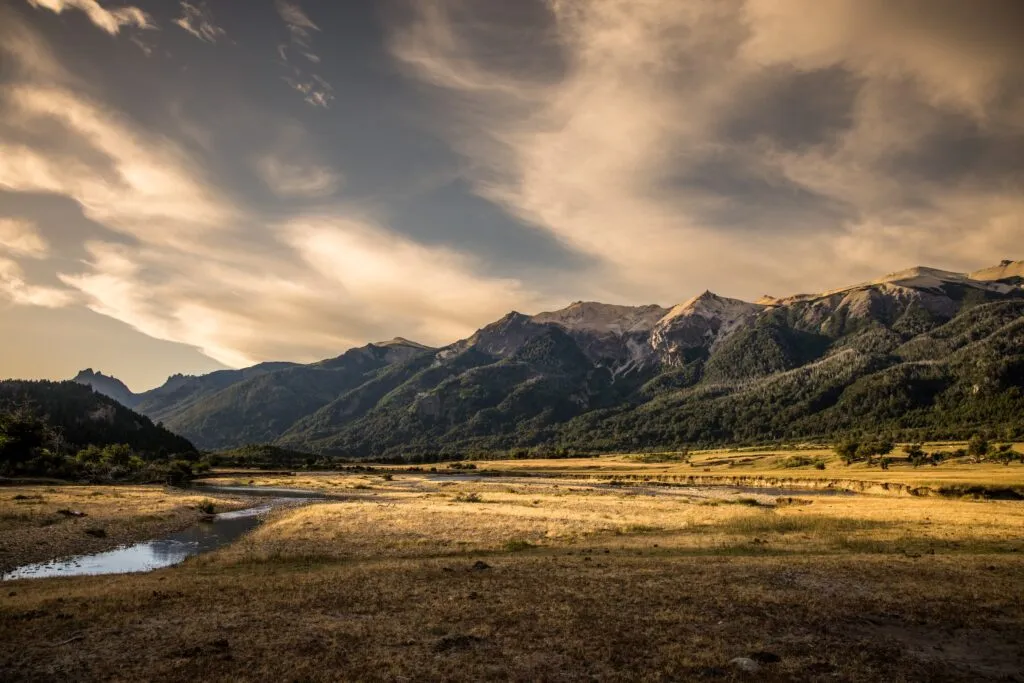
On the other hand, the Tierra del Fuego ride is set in a raw, wild, untouched land, which feels like it’s being explored for the first time. It’s led by Marcus Villamil, who set the ride up with Jakob. While the world was locked down, Marcus wanted to see his country, and he took three homebred horses 9,000 kilometres around Argentina to do so. The ride in Tierra del Fuego follows his ethos, riding an untrodden route that he pioneered.
One of the places he discovered was a secret valley known only to wild horses. When he first asked a local gaucho to show him, the gaucho advised, “There’s no way a domestic horse will get up there.” Marcus replied, “Well, I’m going anyway. Do you want to join me?” So they went together, and after a number of attempts, found a way up the scree slopes, to the top of the mountain and stunning views towards Antarctica.
Tierra del Fuego is technical, not for beginners, with fast canters and up to twelve-hour days in the saddle – but it’s wild and extraordinary. Marcus has a nothing-is-impossible attitude, and as a result, he has created something truly intrepid.
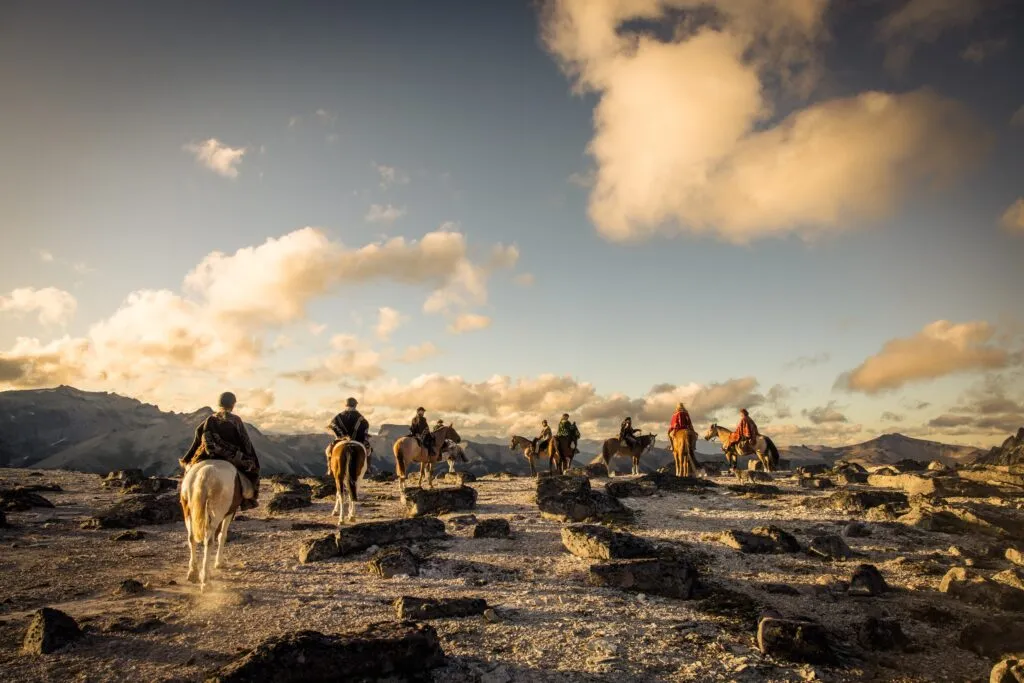
You’ve photographed some extraordinary adventures around the world. What do you think makes Argentina and its equestrian culture so special?
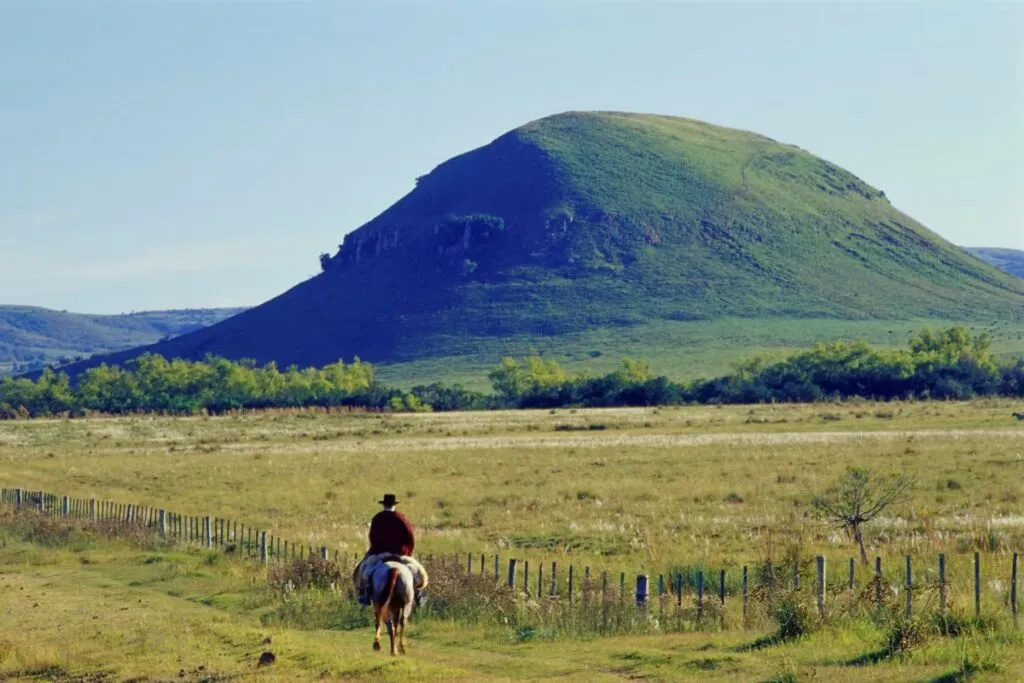
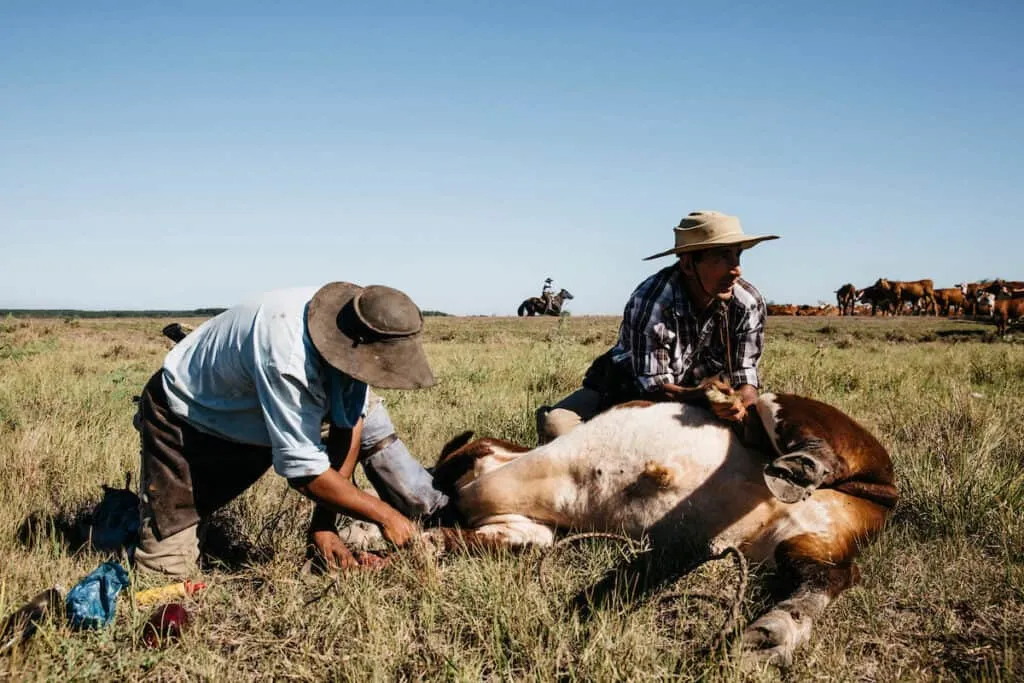
Obviously, there’s the majesty of the mountains, the big plains, the beauty of the countryside. But beyond that lies a deep relationship between man and horse, passed down through generations. These animals have played a vital role in Argentina’s history, and immersing yourself in this is humbling.
The horses are also immaculately trained, and make you feel like you’re the best rider in the world.
What about your kit – what do you carry when you’re documenting a ride?
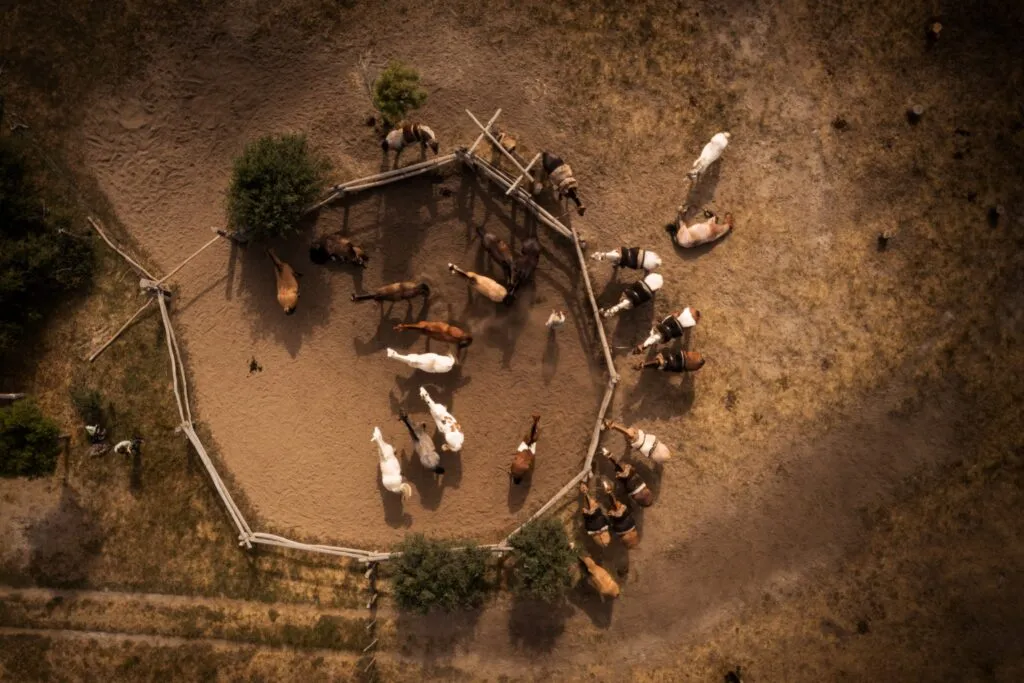
I shoot on two Canon R5s, with a variety of lenses – their image quality is amazing. On horseback, I take a 24–70mm lens, plus one other depending on the plan for the day. My cameras are strapped to the front of my saddle in waterproof bags. If there’s going to be a big vista (and wind allows), I also carry a drone and gimbal for filming, plus lots of spare batteries; they like to die in extreme heat and cold.
I have everything planned to keep us on track. All my gear is firmly strapped down otherwise it bangs around and my saddle becomes an ejector seat. I cannot have enough cable ties.
Whether you’re riding a horse or not, taking cameras into dusty, hot terrain, especially somewhere like Patagonia, can be a challenge – so protecting your gear is essential. I’m constantly using dust bags, packing things down, wearing buffs around my neck. Then for the riding side of it, sunglasses with straps are a must!
Balancing the demands of riding in challenging terrain with capturing high-quality photographs is no small feat. How do you juggle both? Any advice for riders keen on documenting their own adventures?
Number one is fitness, as being fit means you’re balanced. It’s so physical, photographing from a horse: you’re cantering, trying to keep kit steady, leaning right out of the saddle whilst holding a camera, riding one-handed, controlling the horse with your legs and not looking where you’re going! So I always spend time in the gym before a trip.
A calm horse is important, one that’s happy to leave the others. And quick, easy access to kit – I use a holster belt, and keep camera bags in front of the saddle rather than at the back. On rides in Africa, for example, if you get too close to a charging elephant, you need to be able to put cameras away and get out of there.
Finally, take weather-sealed cameras. On one trip, in Kenya, I needed to cross the Mara River during migration on an inexperienced horse. You have to wait for the crocodiles and hippos to move into the water, as they are safer there – they don’t like the sound of hooves on riverbed stones.
I’d watched an enormous crocodile slide into the water before crossing the deepest part of the river. My horse tripped, we went fully under, and parted company. It was a snap decision: get back into the saddle at the risk of being dragged, or swim for my life? I chose to swim and did the fastest 20m of my life!
You often accompany clients on their travels to document their adventures. Tell us a bit more about the beautiful books you produce.
Photo books are the story of your adventure. Like all good stories, they have a beginning, a middle, and an end. I don’t just photograph the riding; I capture the setting, the food, where you are staying, the company, every little detail to document your whole experience.
Recently, I photographed a client’s four-acre island and the extraordinary hunting lodge he built there. He has owned it for twenty years without taking any proper images. I was there to document the story of the island and all that takes place there. It was more than the location – it was the interiors, the food, the landscape, the aerial shots with my drone, the people, animals and sporting activities. It was about capturing the whole thing, as I do in all my books.
I’m constantly on the lookout for anything and everything to create a rich tapestry of the story. Clients often say, “I can’t believe you noticed that!” They might have subconsciously picked up on something, but it’s only when I’ve observed it as a beautiful object, chosen the right time of day and given it some backlight that it becomes something truly special.
Anya produces around 180 bespoke photo books per year, and discretion is her trademark. Travellers with Plan South America can now invite Anya to join them on their adventures.
CONTACT US
Tailor-made journeys across Latin America, designed by specialists with decades of on-the-ground experience.
Conde Nast Traveler Specialists every year since 2017